Back Pain That Won’t Go Away in Dubai: How Many Physio Sessions Do You Really Need?
A clear, practical guide for people in Dubai explaining the factors that determine how many physiotherapy sessions chronic back pain typically requires, example progress across sessions, and how to spot a structured, goal-based treatment plan versus open‑ended care.

Why back pain can feel endless
Persistent back pain is common but not all back pain is the same. Duration, cause, and how it affects your movement all change the roadmap to recovery. In Dubai many patients seek help after trying different clinics; often the underlying issue — for example mechanical strain, a disc problem, or sciatica — plus lifestyle factors (desk work, activity levels), previous surgeries, and how quickly treatment starts will determine whether relief comes in weeks or months. Understanding these variables helps set realistic expectations before you commit to a course of physiotherapy.
Key factors that determine how many sessions you need
Several variables influence session count: the specific diagnosis (muscle strain vs nerve compression), how long you’ve had symptoms, pain intensity and mobility loss, your general health and fitness, adherence to home exercises, and your treatment goals (pain control vs return to sport). Clinic style matters too — thorough assessment, hands‑on manual therapy, and progressive exercise programs tend to shorten overall treatment time compared with vague or passive care alone. Local patient feedback often highlights that clear assessments and tailored protocols produce faster, measurable improvement.
What happens in the first session (and why it matters)
The first visit should be an assessment and planning session, not just a quick treatment. A clinician will take a history, observe movement, test strength and nerve signs, and explain likely causes. You should leave with an initial treatment (pain relief techniques, gentle manual therapy or laser, modal support) and a clear short‑term plan: specific targets for mobility, pain reduction, and safe activity. Patients who report good outcomes often mention that a confident, accurate assessment and a structured protocol were given from day one — a strong indicator the clinician knows what outcome to aim for.
Example progress: sessions 2–6 (what many patients experience)
While every case differs, a practical example helps set expectations. After the first session, many people notice some pain relief and clearer guidance. By sessions 2–4 you should expect measurable improvements in mobility, reduced flare intensity, and a growing home‑exercise routine. Several patients in local clinics report significant gains by the fourth session — for some, pain is largely managed and function restored to a level that allows return to work or daily activities. By session 5–6 the focus often shifts from symptom control to strengthening, posture correction and functional retraining to prevent relapse.
Longer courses: what to expect by session 10 and beyond
If your back pain has been present for months, follows complex patterns (nerve involvement, multi‑level spine issues), or you’ve had prior surgeries, expect a longer, staged program. By around session 8–10 treatment usually emphasizes progressive loading, neuromuscular re‑education and return‑to‑activity plans. The aim becomes durable resilience — not just short‑term relief. In these cases clinicians should give milestones, re‑assess regularly, and begin a planned tapering of supervised visits as you learn to self‑manage with exercises and ergonomic strategies.
How to spot a structured, goal‑based plan versus endless visits
A goal‑based program shows up in practical ways: a clear initial assessment, written or spoken measurable goals, a timeline or estimated number of visits, scheduled reassessments, and a home‑exercise plan with progression. Avoid providers who give only vague timelines, keep you on passive modalities without measurable progress, or cannot explain when and why they’ll reduce visit frequency. Local feedback from patients often praises clinicians who explain the 'why' behind each step, increase exercise intensity progressively, and close the case when goals are met — that’s a sign of efficient, ethical care.
Choosing the right clinic in Dubai and what to ask
When evaluating clinics for Knee & Ankle, Shoulder, Back Pain Physiotherapy in Dubai, ask about the clinician’s assessment process, typical timelines for cases like yours, what measurable outcomes they track, and how they involve you in goal setting. Ask for examples of expected improvements by specific sessions and whether they provide a home program. Many clinics offer an initial consultation to discuss realistic timelines — use it to compare approaches. A practical, structured plan that includes education, hands‑on therapy, and progressive exercise gives the best chance of moving from chronic pain to lasting function.
Article by
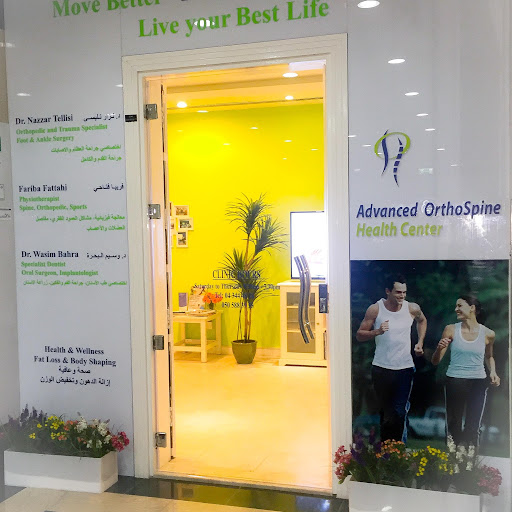
Advanced OrthoSpine Health Center– Knee & Ankle, Shoulder, Back Pain Physiotherapy Dubai
Advanced OrthoSpine is a leading physiotherapy and non-surgical pain relief clinic in Dubai, located on Al Wasl Road with free parking. We offer expert care for back pain, sciatica, neck disc issues, sports injuries, and ligament or tendon problems. Our services include cold laser therapy, cupping/Hijama, manual therapy, lymphatic drainage, and stress relief treatments. We also specialize in fat reduction, body contouring, cellulite treatments, and post-surgery physiotherapy. Whether you're looking for a sports injury clinic, foot orthotics, or hip pain relief, our professional team is here to help. Call us for a free consultation and let Dubai’s top physiotherapists help you recover faster.