Cupping (Hijama) and Physiotherapy in Dubai: How They Can Work Together for Pain Relief
A practical guide for Dubai residents on how cupping (Hijama) can complement evidence-based physiotherapy for muscle tightness and back pain, with safety tips and what a combined treatment plan at an Al Wasl clinic typically looks like.

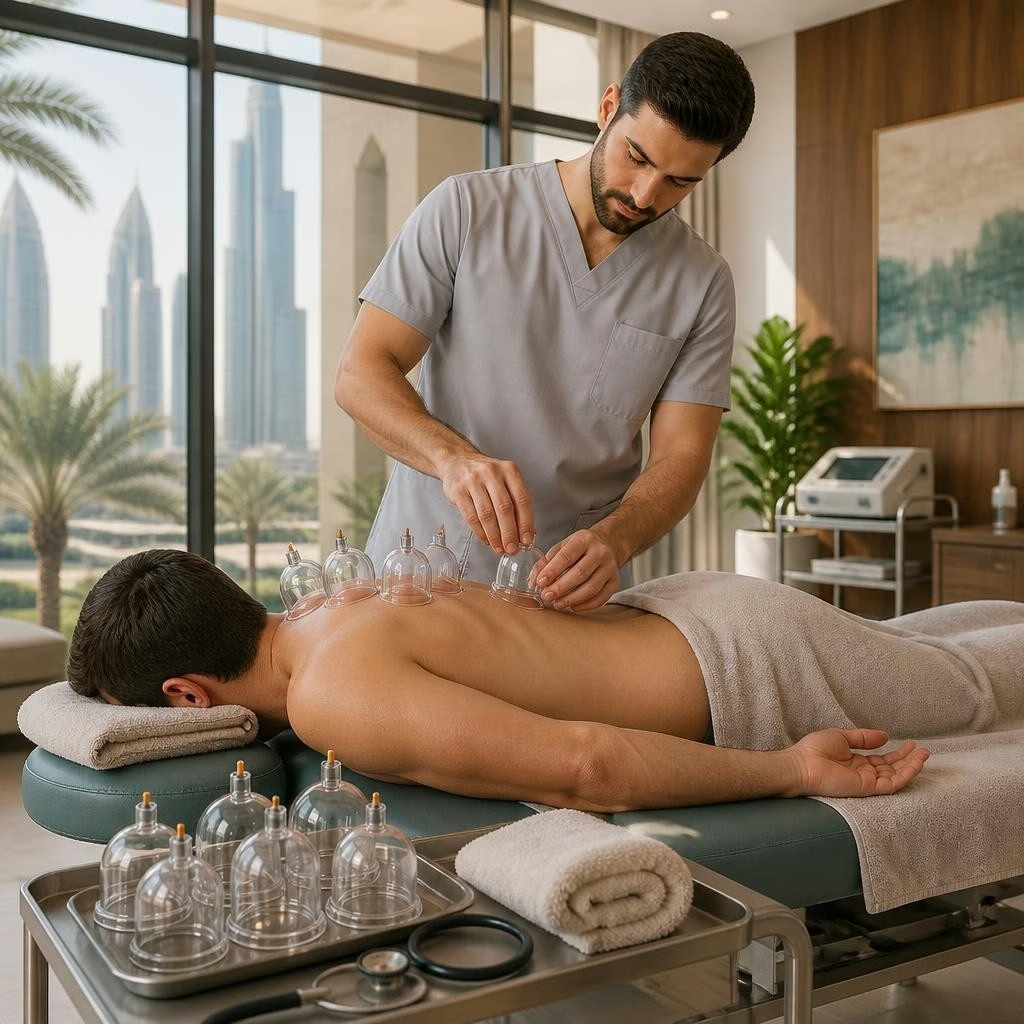
Introduction: Why consider combining cupping with physiotherapy?
If you live in Dubai and are exploring options for muscle tightness, back pain, or sports-related discomfort, you may have heard about cupping (Hijama) alongside physiotherapy. Both approaches target pain and movement, but in different ways. Combining them carefully—under a clinician’s guidance—can help address muscular restriction, circulation, and movement patterns while keeping care evidence-informed and individualized.
What cupping (Hijama) is — and what physiotherapy focuses on
Cupping is a traditional therapy that uses suction to the skin to produce local changes in tissue and circulation; different therapists use dry or wet (Hijama) techniques depending on training and patient needs. Physiotherapy at a clinic like Advanced OrthoSpine emphasizes clinical assessment, manual therapy, exercise-based rehabilitation, and functional retraining for problems such as back pain, sciatica, neck and shoulder pain, knee & ankle and hip issues. Physiotherapy aims to find and treat the mechanical or neuromuscular drivers of pain so you regain safe movement and long-term function.
How cupping can complement physiotherapy for muscle tightness and back pain
When used as a complementary tool, cupping can help reduce localized muscle tightness and provide short-term relief from discomfort, which may make hands-on manual therapy and corrective exercises easier and more comfortable. For example, a session that reduces paraspinal muscle tension can allow a physiotherapist to progress mobility work or neuromuscular re-education more effectively. Cupping may also be paired with lymphatic drainage techniques or post-surgical swelling reduction therapies to support recovery when appropriate. In practice, many patients report faster ease of motion after combined care—one patient observed noticeable improvement from the first session with a clinician at our clinic—though results vary by condition and individual.
When cupping is not enough: limitations and realistic expectations
Cupping is not a standalone cure for structural problems such as significant disc herniation, severe joint instability, advanced arthritis, or compromised nerves. Physiotherapy addresses those underlying issues through assessment, targeted exercise, manual therapy, and gradual load progression. Think of cupping as a complementary technique that can assist symptom control and comfort, while physiotherapy targets the root causes and long-term recovery, particularly for conditions like sciatica, post-surgical rehabilitation, or chronic shoulder and knee problems.
What a combined treatment plan at our Al Wasl clinic might look like
A careful, integrated plan typically starts with a full physiotherapy assessment to identify pain drivers and red flags. If cupping is considered appropriate, it is scheduled alongside manual therapy, custom exercise programs, or lymphatic drainage depending on goals—examples include easing paraspinal tightness before spine mobilization, or using drainage techniques after surgery to reduce swelling. Progress is measured clinically, and treatments are adjusted: some patients receive cupping early in the program to reduce tightness, then move primarily to strengthening, mobility, and functional movement rehab to prevent recurrence.
Safety checklist and questions to ask before you try cupping
Before adding cupping to your care, confirm the following with your provider: a clinician has completed a thorough assessment; the therapist is trained to integrate cupping with physiotherapy; there are clear reasons for choosing cupping in your plan; and your medical history (recent surgery, skin conditions, blood-thinning medication, pregnancy, or clotting disorders) has been reviewed. Always ask about hygiene protocols, expected local side effects (such as temporary skin marks), how cupping will be combined with exercise, and how progress will be measured.
Choosing a clinic in Dubai — what patients notice and why this matters
When selecting a clinic, look for experienced physiotherapists who offer a range of evidence-based treatments alongside complementary therapies. Patients at Advanced OrthoSpine—located on Al Wasl Road and serving Dubai and nearby areas—commonly mention the clinic’s professional, caring approach and clear explanations from therapists. That combination of clinical assessment, manual therapy, and optional complementary treatments like cupping or lymphatic drainage is useful for people seeking Knee & Ankle, Shoulder, Back Pain Physiotherapy in Dubai. If you’re curious whether a combined plan is right for you, ask about an initial assessment or a free consultation to discuss tailored options and safety for your specific condition.
Customer review


Article by
Advanced OrthoSpine Health Center– Knee & Ankle, Shoulder, Back Pain Physiotherapy Dubai
Advanced OrthoSpine is a leading physiotherapy and non-surgical pain relief clinic in Dubai, located on Al Wasl Road with free parking. We offer expert care for back pain, sciatica, neck disc issues, sports injuries, and ligament or tendon problems. Our services include cold laser therapy, cupping/Hijama, manual therapy, lymphatic drainage, and stress relief treatments. We also specialize in fat reduction, body contouring, cellulite treatments, and post-surgery physiotherapy. Whether you're looking for a sports injury clinic, foot orthotics, or hip pain relief, our professional team is here to help. Call us for a free consultation and let Dubai’s top physiotherapists help you recover faster.