How Many Physiotherapy Sessions Do You Really Need? A Dubai Clinic’s Perspective
Practical guidance from Advanced OrthoSpine Health Center on how physiotherapists decide session frequency and duration for back, neck, knee and foot problems, with real patient examples and tips to get the most from your treatment plan.

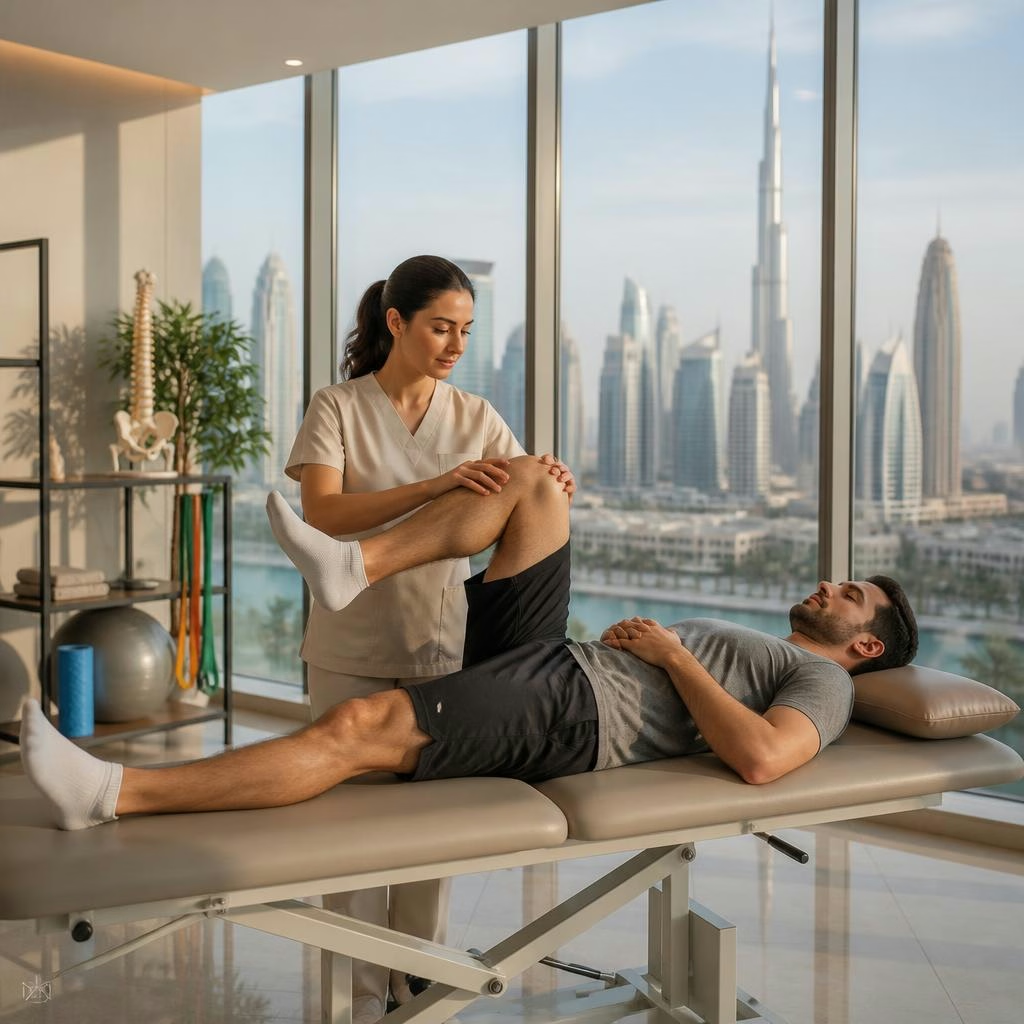
Why the question matters
When you first search for Knee & Ankle, Shoulder, Back Pain Physiotherapy in Dubai, one of the top questions is how many sessions you’ll need. The answer matters because it affects recovery planning, time off work, and how you budget care. At Advanced OrthoSpine Health Center we treat a wide range of conditions — from acute sports injuries and post-surgical rehab to chronic back and neck pain — and the number of sessions varies because each patient’s situation is unique.
How physiotherapists decide session frequency
Physiotherapists set frequency and duration based on a clinical assessment: diagnosis, severity, how long symptoms have been present, functional goals, and any medical history or imaging findings. Acute injuries usually need more frequent early visits to control pain and inflammation, while chronic problems often begin with regular visits for retraining and then transition to less frequent maintenance sessions. Post-operative plans depend on surgeon guidance and the stage of tissue healing. The clinic’s goal is a personalized, measurable plan rather than a one-size-fits-all prescription.
Real patient examples and typical progress signals
Patient experiences at our clinic illustrate how plans vary. For example, one patient experienced about a 90% reduction in back pain by the fourth session after a gradual increase in therapy intensity. Another reported notable improvement after six sessions, though their recovery was still ongoing. Other patients nearing the end of their scheduled sessions have described gaining confidence with the home exercise program and expecting continued progress. These examples show that meaningful change can appear quickly for some conditions, while others require a longer course of treatment.
What a short course often looks like
A brief, targeted program typically focuses on pain control, restoring basic mobility and introducing key exercises. Treatments combine manual therapy, targeted exercise, posture correction, education and modalities such as cold laser therapy or cupping when appropriate. Early visits emphasize symptom relief and safe movement, and therapists increase exercise intensity as tolerance improves. Short courses are useful for acute strains, early-stage sciatica relief, or when the primary goal is to regain a baseline level of function.
When longer or phased programs are needed
Conditions that involve structural issues, long-standing pain, or significant loss of function usually need a phased approach: an initial intensive phase, a rehabilitation phase focused on strength and motor control, and a maintenance phase to prevent relapse. Examples include complex knee injuries, chronic neck disc problems, or post-surgical rehabilitation. In these situations therapists combine hands-on care, progressive strength and mobility work, functional retraining and regular reassessments to track recovery.
What speeds recovery (and what slows it)
Factors that help recovery include early, accurate assessment; adherence to a therapist-prescribed home exercise program; timely follow-up visits; and clear communication about activity modification. Things that can slow progress include delayed treatment, inconsistent home exercise, unmanaged medical conditions, or returning too quickly to high-risk movements. Many patients in our reviews highlight the importance of clinician guidance and tailored exercises — several specifically praised staff for clear explanations and helpful exercise advice that supported continued recovery at home.
How to get started and what to expect at Advanced OrthoSpine
If you’re in Al Wasl or Jumeirah and looking for Knee & Ankle, Shoulder, Back Pain Physiotherapy in Dubai, start with a clinical assessment at Advanced OrthoSpine Health Center (Office 209). The initial visit includes a focused evaluation, discussion of goals and a recommended treatment frequency and timeframe. The team provides hands-on care, customized exercise plans and practical self-management advice. Patients often mention the clinic’s calm environment and professional, attentive staff — and one recent patient noted rapid pain reduction within a few sessions after a carefully progressed program. If you’d like a clearer idea of what to expect for your specific condition, book a consultation and bring any recent medical reports so the team can tailor a realistic plan.
Customer review


Article by
Advanced OrthoSpine Health Center– Knee & Ankle, Shoulder, Back Pain Physiotherapy Dubai
Advanced OrthoSpine is a leading physiotherapy and non-surgical pain relief clinic in Dubai, located on Al Wasl Road with free parking. We offer expert care for back pain, sciatica, neck disc issues, sports injuries, and ligament or tendon problems. Our services include cold laser therapy, cupping/Hijama, manual therapy, lymphatic drainage, and stress relief treatments. We also specialize in fat reduction, body contouring, cellulite treatments, and post-surgery physiotherapy. Whether you're looking for a sports injury clinic, foot orthotics, or hip pain relief, our professional team is here to help. Call us for a free consultation and let Dubai’s top physiotherapists help you recover faster.