Physiotherapy for Chronic Pain in Dubai: Building Confidence to Move Again
A practical guide for people living with long‑standing neck, back, or joint pain that explains the difference between tissue damage and sensitivity, how graded activity and neuromuscular re‑education rebuild trust in your body, and meaningful success markers beyond being completely pain‑free.

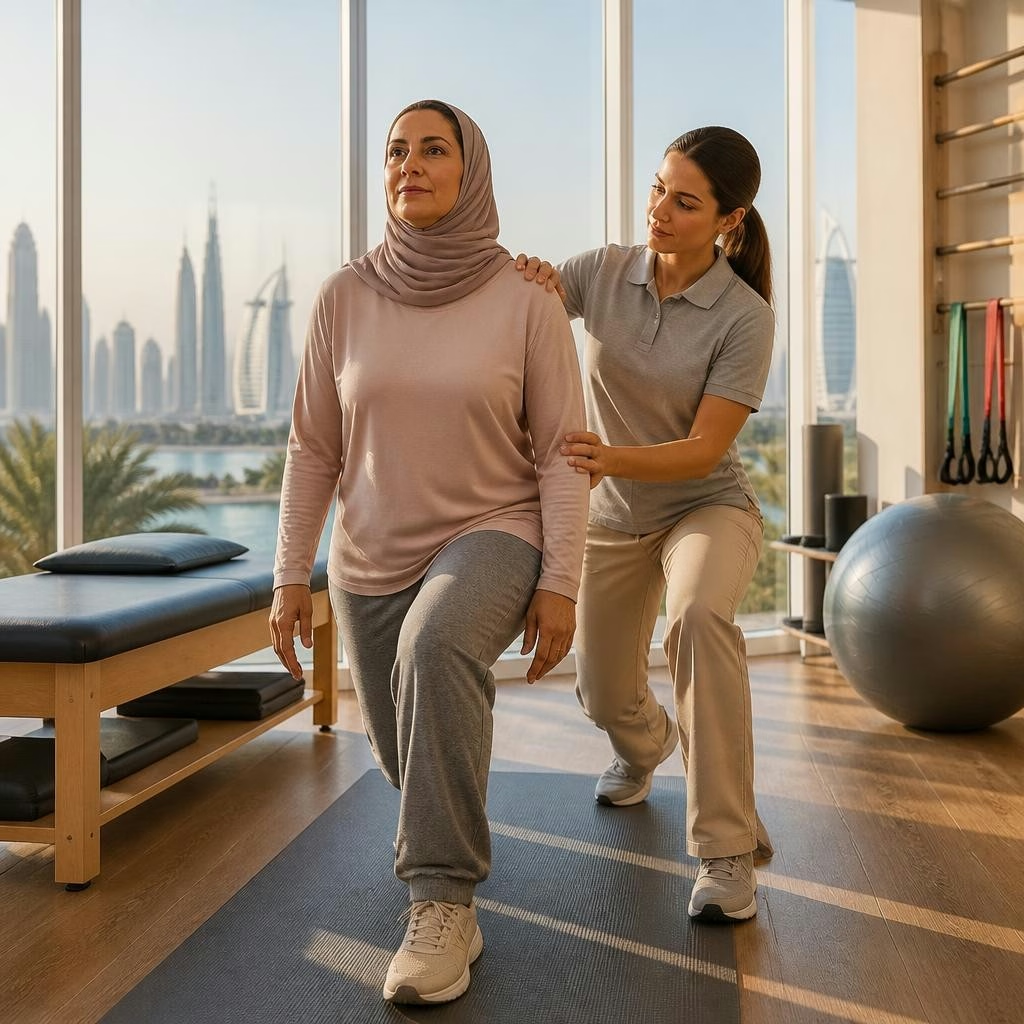
Why chronic pain can feel like a trap
Many people who have lived with neck, back or joint pain for months or years describe a cycle of fear and stiffness: pain makes movement feel risky, so they move less, which in turn increases sensitivity and weakness. This doesn’t always mean there is fresh structural damage. Pain often reflects increased sensitivity in tissues and the nervous system, altered movement patterns, and loss of confidence — all of which can be changed with a paced, evidence‑based approach.
Damage versus sensitivity: how clinicians tell the difference
A careful assessment separates signs of unstable or progressive structural problems from pain driven mainly by sensitivity and disuse. At specialist physiotherapy clinics like Advanced OrthoSpine Health Center that offer non‑surgical spine care and manual therapy, clinicians use movement testing, a history of symptoms, and functional goals to build a clear picture. For example, a patient with long‑standing disc issues reported substantial improvement within a month of focused sessions at the clinic — a pattern that fits recovery from heightened sensitivity and movement impairment rather than ongoing structural decline.
Graded activity: rebuilding trust step by step
Graded activity (also called graded exposure or progressive loading) is a core strategy for people afraid to move. Instead of pushing to be pain‑free immediately, your therapist sets small, measurable targets — more minutes of walking, a few extra steps on stairs, or adding a light strengthening exercise — and increases them gradually. This approach reduces the nervous system’s threat response, improves endurance, and restores confidence without provoking setbacks. Custom exercise programs and posture correction are tools commonly used to make this progression safe and repeatable.
Neuromuscular re‑education and functional movement retraining
Neuromuscular re‑education focuses on restoring coordinated, efficient movement patterns that reduce strain on painful areas. Therapies can include guided balance, timing and sequencing drills, motor control exercises, and functional movement rehab that mimic real‑life tasks. These techniques are especially helpful when chronic pain has caused compensations — for example, limping after knee or ankle pain or guarding around the shoulder — because they teach the nervous system how to move more safely and confidently again.
Success is more than '100% pain‑free'
For many people with long‑term pain, complete elimination of symptoms is unrealistic in the short term. Useful measures of progress include: increased activity tolerance (longer walks or standing times), improved range of motion and balance, reduced reliance on pain medication, fewer flare‑ups, and greater participation in valued activities. Reviews from patients highlight outcomes such as restored mobility after foot or spinal problems, steady balance gains following complex surgeries, and rapid reductions in daily pain after tailored therapy — all meaningful signs of recovery.
What a typical recovery pathway looks like at a specialist clinic
A structured pathway usually begins with a detailed assessment and discussion of goals, followed by a personalized plan that combines hands‑on treatment, targeted exercises, and homework that you can do between sessions. Clinics offering services like manual therapy for disc issues, neuromuscular re‑education, and custom exercise programs may also use adjuncts such as cold laser or acupuncture where appropriate. Expect clear explanations, progressive adjustments to intensity, and regular re‑evaluation so your plan evolves with your improvement.
Taking the first step in Dubai: practical tips
If you’ve lived with pain for years and are unsure where to start, gather any past imaging or surgery reports and make a short list of activities you want to regain. Advanced OrthoSpine Health Center — located on Al Wasl Road in Dubai with free parking and serving Dubai and nearby emirates — offers non‑surgical spine care, Knee & Ankle, Shoulder, Back Pain Physiotherapy in Dubai, and related programs that emphasize graded progress and functional outcomes. Book a consultation to get an assessment, a realistic plan, and a timeline focused on meaningful improvements rather than an unrealistic promise of perfection.
Customer review


Article by
Advanced OrthoSpine Health Center– Knee & Ankle, Shoulder, Back Pain Physiotherapy Dubai
Advanced OrthoSpine is a leading physiotherapy and non-surgical pain relief clinic in Dubai, located on Al Wasl Road with free parking. We offer expert care for back pain, sciatica, neck disc issues, sports injuries, and ligament or tendon problems. Our services include cold laser therapy, cupping/Hijama, manual therapy, lymphatic drainage, and stress relief treatments. We also specialize in fat reduction, body contouring, cellulite treatments, and post-surgery physiotherapy. Whether you're looking for a sports injury clinic, foot orthotics, or hip pain relief, our professional team is here to help. Call us for a free consultation and let Dubai’s top physiotherapists help you recover faster.