Designing a Natural Hairline for Young Professionals in Gurgaon: How Surgeons Avoid an ‘Overdone’ Look
Practical guidance on how hair surgeons plan age-appropriate hairlines for patients in their 20s–30s across Delhi NCR, covering density, temple angles, future hair-loss planning, techniques, and what to ask at your AKS Clinic consultation.
Why an age-appropriate hairline matters
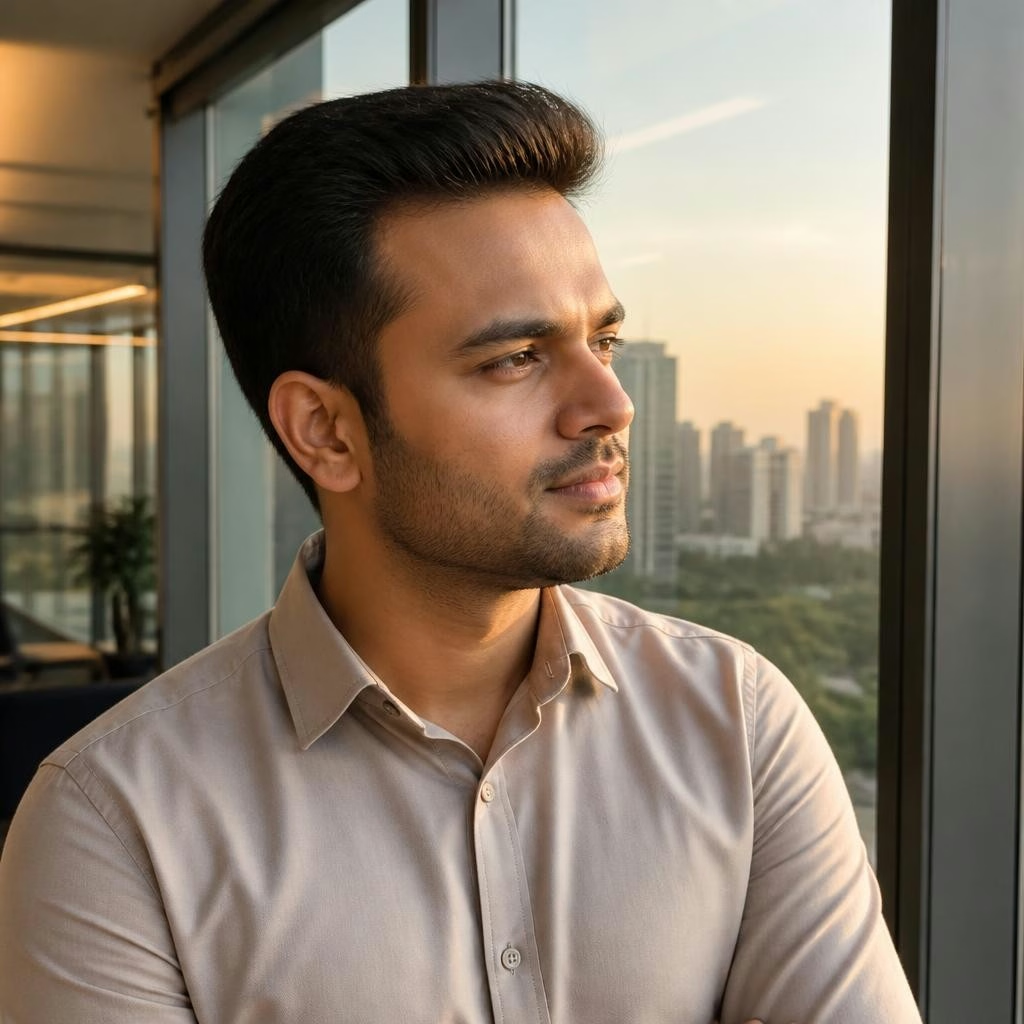
For men and women in their 20s and 30s, a hairline that looks natural today but also ages well is crucial. A hairline set too low or too sharply arched can appear unnatural as facial features mature or if further thinning occurs. Surgeons aim to create balance with your face shape, current hair density, and expected future changes so the result looks authentic both now and decades later.
Key anatomical and lifestyle factors surgeons consider
Designing a hairline begins with a detailed assessment: forehead height and shape, facial proportions, hair caliber and curl, donor supply, and family history of pattern hair loss. Lifestyle factors—such as profession, typical hairstyles, and willingness to maintain medications or follow-up treatments—also influence the plan. At clinics serving Gurgaon and Delhi NCR, this evaluation guides a hairline that fits both your face and your everyday needs.
Density planning: less is often more for younger patients
Younger patients benefit from a conservative approach to graft density at the frontal hairline. Instead of packing maximum grafts up front, experienced teams place a natural-appearing soft zone with graduated density—denser where it’s visually needed and lighter at the very front. This avoids a stiff, transplanted look and preserves donor grafts for future needs if hair loss progresses.
Temple design and side angles: subtlety creates naturalness
Temples and lateral angles define how natural a hairline reads. Sharp, symmetrical corners can look artificial; subtle, asymmetric temple recession and soft lateral transitions mimic natural growth. Surgeons use small grafts and varied angulation to recreate how hairs emerge from the scalp, paying attention to hair direction and tilt so the haircatchlight and profile remain believable in photographs and face-to-face.
Planning for the future: a staged strategy
A key principle is forward planning: designing a hairline that doesn’t exhaust donor reserves. Surgeons commonly adopt a staged strategy—creating a balanced frontal hairline now while keeping options open for mid-scalp or crown work later. This long-term mindset helps avoid an 'overdone' appearance and supports adaptive treatments if hereditary thinning continues.
Techniques that support a natural outcome
Techniques such as Follicular Unit Extraction (FUE), direct implantation, precise graft placement, and scalp micropigmentation can all contribute to a subtle result when used appropriately. AKS Clinic lists FUE, direct hair implantation, PRP, and a hair simulator among its services—tools that, when combined with careful planning, allow surgeons to preview and implement a natural-looking hairline with minimal visible scarring.
What to expect in consultation and planning at the clinic
A thorough consultation should include a donor-area assessment, discussion of your family history, photos from multiple angles, and an honest conversation about realistic outcomes. Ask for visual simulations or before-and-after portfolios that match your age group. At a reputable clinic you should also receive a clear explanation of the number of grafts recommended, the reasoning behind any conservative choices, and the staged plan for the future.
Recovery, timelines, and early styling for young professionals
Initial healing usually takes a week or two; visible growth begins around 3–4 months and improves over 9–12 months. For young professionals who need to manage appearances at work, surgeons commonly recommend short-term styling tips—controlled haircuts, conservative products, and temporary concealment options. Ongoing medical therapy (discussed with your doctor) can also help stabilize existing hair and complement surgical results.
Setting realistic expectations—and recognizing variability
While many patients report natural, realistic results and smooth recoveries, outcomes can vary based on biology, adherence to aftercare, and the progression of hereditary loss. A few patients may feel results didn’t meet their expectations or feel the procedure wasn’t worth the cost. That’s why a candid preoperative discussion about probabilities, risks, and long-term planning is essential before moving forward.
How to choose a team in Gurgaon and next steps
When selecting a clinic in Gurgaon or across Delhi NCR, prioritize clear communication, documented experience with young patients, and a team willing to plan conservatively. Look for clinics that explain staging, show age-appropriate before-and-afters, and provide follow-up care. At AKS Clinic, patients have highlighted professional, empathetic consultations and realistic-looking outcomes—one recent reviewer specifically noted the natural appearance of their results—indicating the value of experienced surgical planning. If you’re considering a hairline correction, book a consultation (online booking is an available option) to review a personalized, long-term plan.
Customer review


Article by
𝐀𝐊𝐒 𝐂𝐋𝐈𝐍𝐈𝐂 - Best Hair Transplant Skin Specialist Dermatologist In Gurgaon India
AKS Clinic is one stop solution for all hair related problems. AKS Clinic is the best hair transplant clinic in Gurgaon with professional Dermatologist & skin specialist, and it's an initiative by Dr. Akhilendra Singh backed by a strong team of Medically Trained consultants, technicians & laser operators. Contact AKS Clinic for hair transplant surgery (FUE, PRP), laser treatment (Hair Fall/Loss) and dermatological issues in Gurgaon including cosmetic and plastic surgery. 🔵 Hair transplant clinic in Gurgaon 🔵 Best hair transplant clinic in Gurgaon 🔵 Best skin specialist in Gurgaon 🔵 Hair transplant clinic in Gurgaon 🔵 Dermatologist in Gurgaon 🔵 Best skin care specialist in Gurgaon