Repairing a Unsatisfactory Hair Transplant in Gurgaon: Practical Options and What to Expect
A clear, practical guide to how Gurgaon hair surgeons evaluate and repair pluggy hairlines, low density, scars from older FUT/FUE, and donor-area issues — surgical and non-surgical options, realistic timelines, and questions to bring to your consultation.
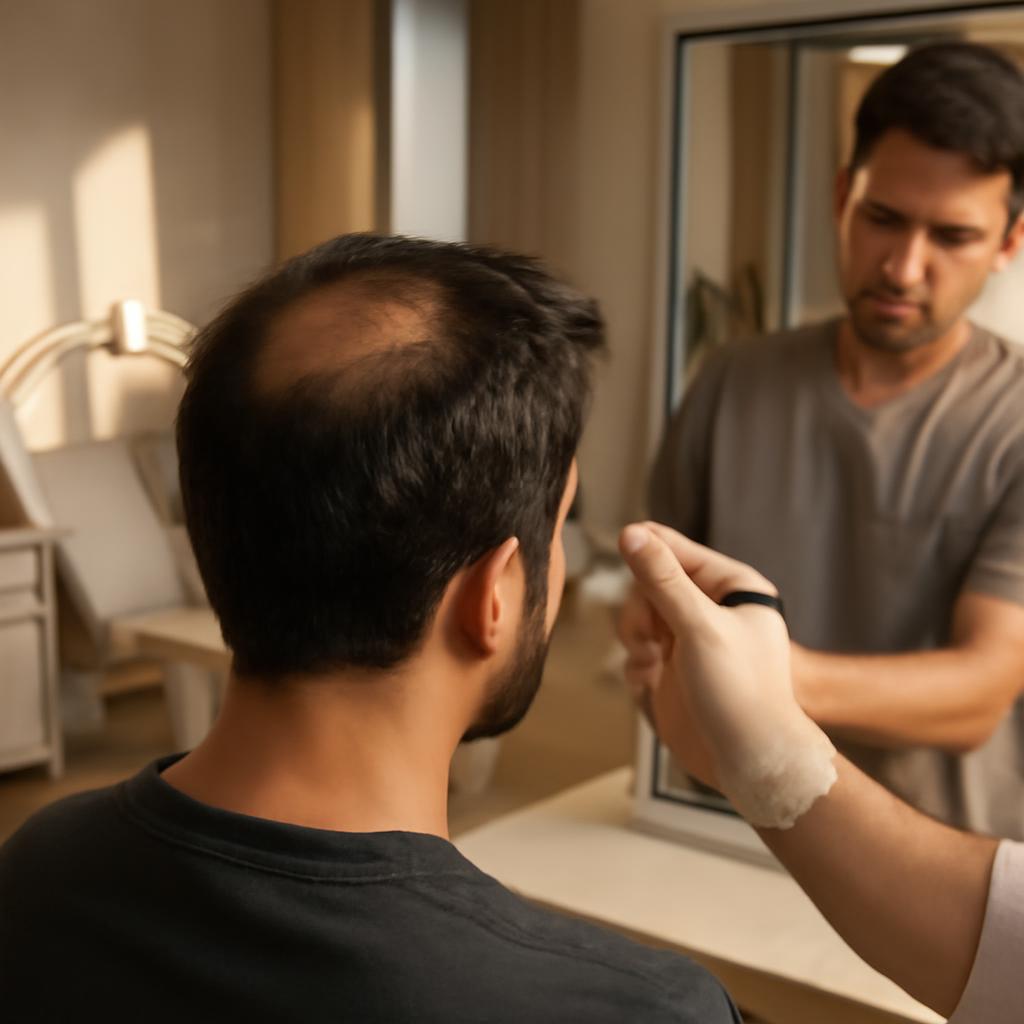
Why some hair transplants need repair
A hair transplant may feel disappointing for several reasons: an unnatural or “pluggy” hairline, visibly low density, wide scars from older FUT/FUE techniques, or poor use of the donor area that limits future options. These outcomes can result from planning that didn’t match your hair characteristics, overly aggressive harvesting, or simply older techniques and inexperienced graft placement. Understanding the specific problem is the first step toward a realistic repair plan.
How surgeons in Gurgaon evaluate a revision case
A thorough revision starts with a detailed scalp and donor-site assessment. Surgeons will review your original operative notes and photographs (if available), examine scar tissue and its blood supply, assess donor hair quality and remaining donor reserve, and consider your hair texture, scalp laxity, and pattern of hair loss. This evaluation helps determine whether further grafting is possible, whether scar tissue can support transplanted follicles, and which combination of treatments will give the best cosmetic outcome.
Correcting a pluggy or unnatural hairline
Pluggy hairlines are commonly improved by redesigning and softening the hairline with finer grafts placed at more natural angles. Clinics in Gurgaon offer options such as FUE or direct hair implantation (DHI) to carefully place smaller follicular units and create a softer transition. Achieving a natural-looking hairline often requires surgical finesse rather than simply adding more grafts, and many surgeons recommend a staged approach to refine density and angulation without overharvesting the donor area.
Addressing low density or uneven coverage
If density is the main issue, revision usually focuses on adding grafts in targeted zones while preserving donor reserve. FUE is commonly used for adding density because it allows precise placement and minimal scarring. Surgeons will plan graft distribution to maximize the visual improvement while protecting the donor area for possible future procedures. In some cases, combining transplant sessions with medical or regenerative therapies improves the overall result.
Managing scars from older FUT/FUE procedures
Scar revision options depend on scar size and tissue quality. Small linear scars from FUT can sometimes be revised surgically or camouflaged with additional FUE grafting into the scar. Wider or tethered scars may need excision and layered closure when appropriate. Non-surgical camouflage such as scalp micropigmentation (SMP) is also widely used to reduce the visual impact of scars or to blend strip scars with surrounding hair. Your surgeon will explain which approach is best for your scar type.
Supportive, non-surgical therapies that aid revision
Non-surgical treatments are useful adjuncts to surgical repair. Platelet-rich plasma (PRP), growth factor therapy, and low-level laser therapies can improve scalp health, enhance graft take in marginal tissues, and sometimes increase hair caliber. These therapies are commonly offered alongside surgical revisions to optimize outcomes, reduce inflammation, and support recovery. Expect these treatments to be part of a combined plan rather than a standalone fix when significant correction is needed.
When donor use was poor: conserving and planning for the future
If a prior procedure used donor hair inefficiently or left the area thin, revision requires careful donor conservation. Surgeons will avoid repeat overharvesting and may recommend smaller, more strategic grafting sessions. Options such as scalp micropigmentation or hair patches (non-surgical prosthetic solutions) can also play a role when donor reserve is limited. The key is a conservative plan that balances immediate visual improvement with the option for future procedures if donor hair remains available.
Realistic timelines and expectations
Repairing a poor transplant is rarely a one-step fix. Healing, graft growth, and scar remodeling take time — most patients see meaningful changes several months after surgery, and full results often require six to twelve months. Surgeons will set realistic expectations about achievable density, the number of sessions likely needed, and the limits imposed by scar tissue or donor supply. A staged plan and patience usually give the most natural, long-lasting outcome.
What to look for in a revision clinic or surgeon
Choose a clinic that offers a detailed initial assessment, transparent explanations of risks and likely outcomes, and a range of repair options (FUE, direct implantation techniques, scar revision, SMP, PRP and growth-factor therapies). Patient feedback often highlights clinical traits to value: thorough consultations, clear communication about realistic results, and attentive post-operative care. At AKS Clinic in Gurgaon, for example, patients note personalized consultations, modern techniques, and careful post-op follow-up — qualities that matter when planning a revision.
Preparing for your consultation: questions and documents to bring
Before your visit bring clear, dated photos showing your preoperative state and the current outcome, any operative notes or reports you have, and a list of treatments you’ve tried since the original surgery. Ask the surgeon specific questions: What exactly is causing the poor result? Which combination of techniques do you recommend and why? How many additional sessions may be needed and what are the risks? What recovery and follow-up will be provided? Finally, discuss realistic goals and a staged timeline so you understand how improvement will unfold.
Customer review


Article by
𝐀𝐊𝐒 𝐂𝐋𝐈𝐍𝐈𝐂 - Best Hair Transplant Skin Specialist Dermatologist In Gurgaon India
AKS Clinic is one stop solution for all hair related problems. AKS Clinic is the best hair transplant clinic in Gurgaon with professional Dermatologist & skin specialist, and it's an initiative by Dr. Akhilendra Singh backed by a strong team of Medically Trained consultants, technicians & laser operators. Contact AKS Clinic for hair transplant surgery (FUE, PRP), laser treatment (Hair Fall/Loss) and dermatological issues in Gurgaon including cosmetic and plastic surgery. 🔵 Hair transplant clinic in Gurgaon 🔵 Best hair transplant clinic in Gurgaon 🔵 Best skin specialist in Gurgaon 🔵 Hair transplant clinic in Gurgaon 🔵 Dermatologist in Gurgaon 🔵 Best skin care specialist in Gurgaon