Meghalaya Group Trips from India: Best Time, Sample 5–7 Day Itineraries, and Practical Budget & Logistics Advice
Practical planning guide for first-time Indian travellers joining a Meghalaya group tour — best seasons to visit, two ready-made 5‑ and 7‑day sample itineraries (Shillong, Cherrapunji, Dawki, Mawlynnong, Nongriat), how group operators handle transport/stays/permits, and realistic budget and packing considerations.
Why Meghalaya is ideal for a first group trip
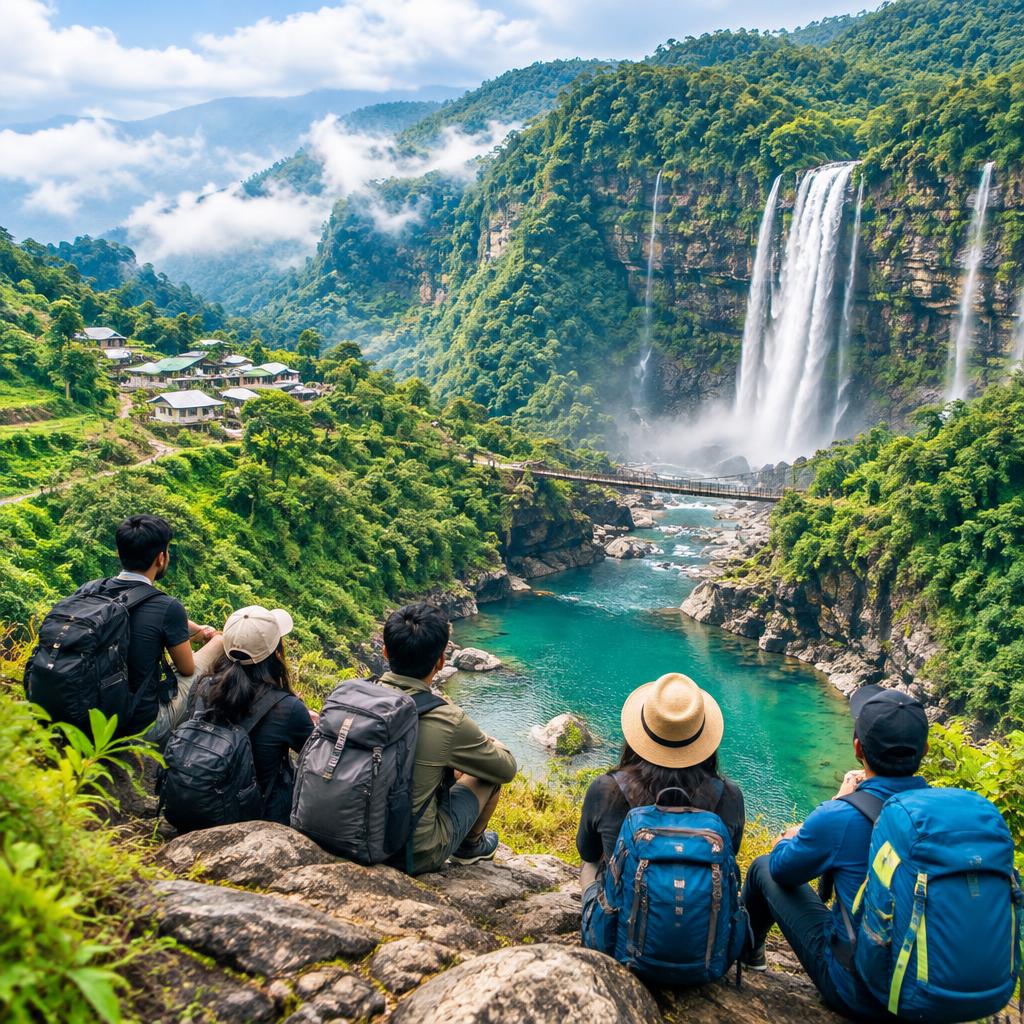
Meghalaya is a compact, nature-rich state that works very well for first-time group travellers: short road distances between highlights, lots of shared activities (waterfalls, viewpoint stops, short hikes and river outings), and a strong culture of warm local hospitality. Group tours simplify logistics—transport, local guides and accommodation choices are handled by the operator—so newcomers can focus on scenery and group camaraderie rather than planning every detail.
When to go: seasons and what to expect
Choose timing based on what you want to see. The monsoon months bring dramatic waterfalls and dense green landscapes but also heavy rains that can disrupt road travel; if you want full waterfalls, consider shoulder monsoon periods with a reliable operator. Post‑monsoon and winter months typically offer clearer skies, easier road conditions and more predictable weather for outdoor activities. Peak tourist periods can mean higher tariffs and fuller hotels, so check group departure dates in advance.
Sample 5‑day itinerary: highlights and pace
Day 1: Arrive (Guwahati by air/train) and transfer to Shillong; short orientation, local market or viewpoint in the evening. Day 2: Shillong sightseeing (viewpoints, waterfalls, craft markets) and drive to Cherrapunji for sunset viewpoints. Day 3: Cherrapunji day — key viewpoints, limestone caves or Mawsmai cave, plus nearby waterfalls. Day 4: Mawlynnong village (Asia’s clean village) and Dawki for clear river/boat excursions; return toward Shillong. Day 5: Optional early morning short trek to the living root bridge area (Nongriat) or relaxed departure via Guwahati. This format balances sightseeing with a moderate pace suitable for mixed groups.
Sample 7‑day itinerary: a more relaxed discovery
A 7‑day plan adds breathing room for longer hikes, cultural time and slower travel: build in an extra day around Nongriat to complete the living root bridge trek at a comfortable pace and include Mawphlang or Laitlum viewpoints for quieter vistas. Additional days allow for a rest morning, local community visits, or swapping one long drive for an overnight stay closer to remote attractions. A longer itinerary is recommended if members prefer hiking and immersive local experiences rather than a tightly packed sightseeing schedule.
How group tours typically manage transport, stays and permits
Group operators usually coordinate the intercity transfers (coach or private vehicle from Guwahati to Shillong and onward), local transport between sites, and pre‑booked accommodation (hotels or homestays). Trip leaders or captains handle daily briefings, route coordination and local partner liaison so guests don’t need to arrange each connection. For Indian travellers, most standard Meghalaya itineraries do not require special entry permits; if a particular route passes close to restricted border areas, your operator will advise and arrange any necessary permissions. Check in advance with the tour organiser about group size, vehicle type and whether meals or local guides are included.
Budget considerations: what affects per‑person cost
Rather than fixed figures, focus on the components that determine your per‑person spend: travel to/from Guwahati (train/flight), type of transport within the state (shared coach vs private tempo traveller), accommodation standard (basic homestay to mid‑range hotel), meal plan (breakfast only vs all meals), guided activities (boat rides, paid viewpoints, cave entrances) and seasonality. Peak-season departures and smaller group sizes typically increase per‑person costs. Ask the operator for a detailed cost breakdown and what is included or excluded (meals, entry fees, activity charges, and cancellation or refund policy).
Practical tips and choosing an operator
Pack for variable weather: light rain gear, quick‑dry layers and sturdy footwear for wet trails and short hikes. Carry some cash for remote areas and a basic first‑aid kit; mobile connectivity can be intermittent in more remote valleys. Consider travel insurance for trip disruption and personal coverage. When selecting a group operator, ask about group leader experience, average group size, itinerary flexibility, and after‑sales responsiveness. Many recent travellers praise well‑organised trips and helpful trip captains—look for operators that highlight on‑ground leadership and clear day‑by‑day plans, and request recent trip references before booking.
Customer review


Article by
Deyor Experiences
India's First Travel Company To Feature On Shark Tank India. Travel with India's Largest Travel Community. Travel With Like Minded People Only With Deyor!