What Makes a ‘Good’ Hotel on Remote Routes: Expectations for Ladakh, Spiti, Tawang and Bhutan
A practical guide to setting realistic expectations for accommodation on high‑altitude and remote adventure routes — what comforts are typical, which compromises are normal, and how to spot red flags when comparing tour packages.
Why accommodation on remote routes feels different
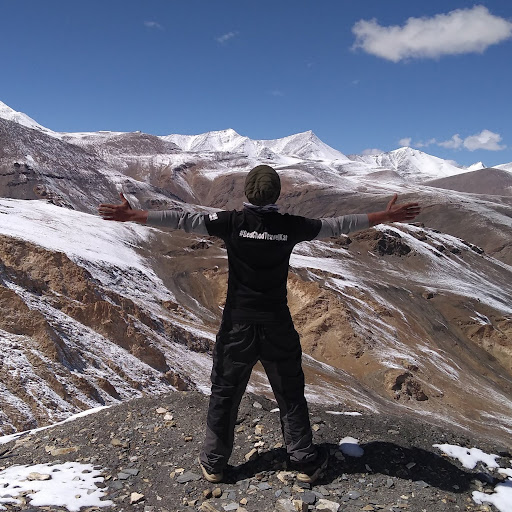
High‑altitude and remote routes such as Ladakh, Spiti, Tawang and Bhutan run through areas with limited infrastructure. Roads, seasonal access and power or water supply affect what hotels can offer. Expect simpler buildings, smaller staff teams and occasional service interruptions compared with city hotels. That does not mean poor service: many travellers report well‑organised stays and supportive on‑ground teams that make modest properties comfortable and safe. The goal when choosing a trip should be a balance between locality, safety and the practical comforts you need, not a city‑hotel standard in every stop.
What to realistically expect from rooms
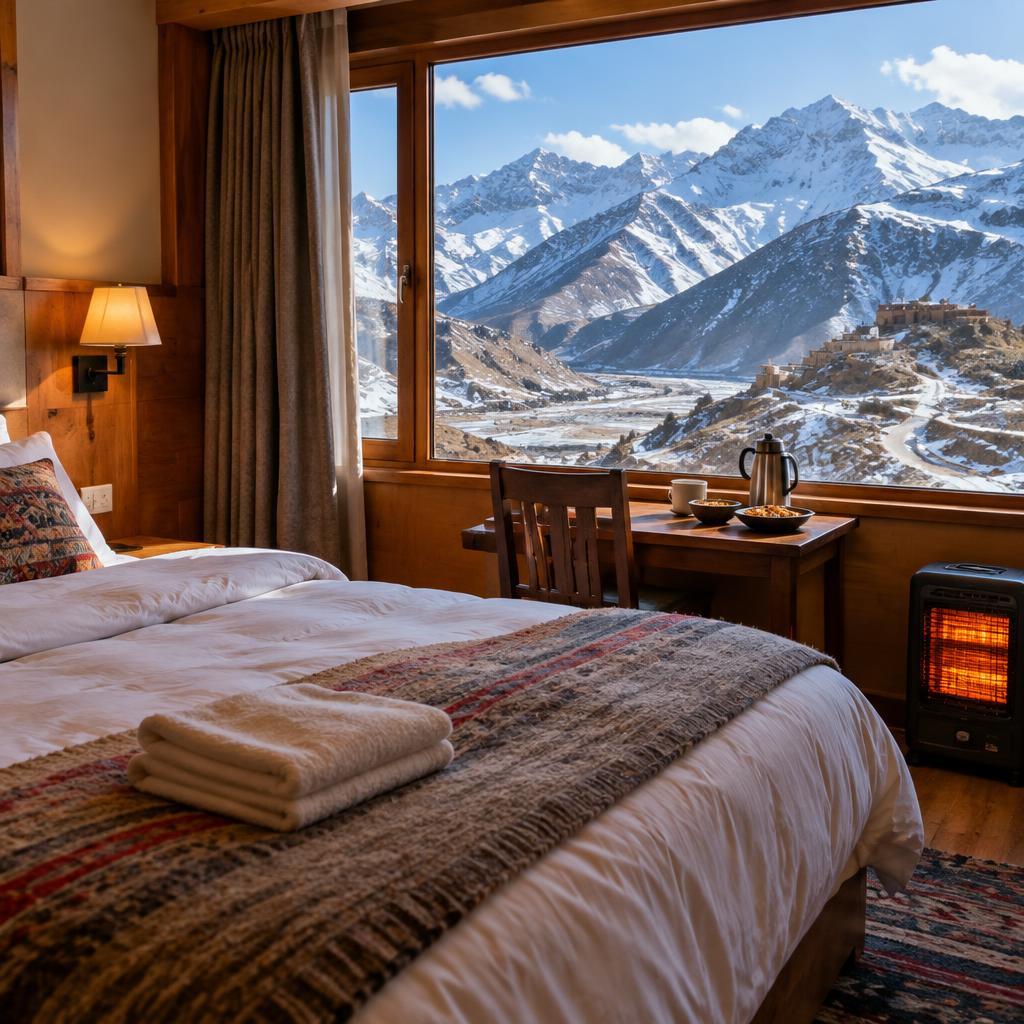
Rooms on remote routes are often clean and functional rather than luxurious. Typical features include single or double beds with blankets and quilts, basic linen, private or attached bathrooms where terrain allows, and modest furniture. En suite bathrooms may be small or sometimes shared in homestays. Expect variable room sizes and lighting; windows may be smaller to conserve heat. If you require specific comforts (a desk, a tub, a high‑thread sheet count), check with the operator in advance — those are not reliably available in every village or mountain guesthouse.
Heating and staying warm: what’s normal
Heating is one of the biggest practical differences from city hotels. In higher‑altitude villages you may find room heaters (kerosene, gas or electric), common area stoves, or thick bedding and blankets as the main sources of warmth. Central heating is rare; some places heat rooms only in the evenings. Hot water often comes from solar systems, boilers that run at specific times, or wood/gas boilers — so hot water availability can be intermittent. Bring thermal layers, a warm sleeping liner or compact sleeping bag and insulated gloves to supplement in‑room heating rather than relying on hotel systems alone.
Hot water, plumbing and electrical realities
Power cuts, low water pressure and cold taps are relatively common where supply lines are remote. Hot water may be provided on a schedule (morning and evening) rather than round the clock. Bathrooms may have heated water in the basin but showers could be bucket/handheld style in some guesthouses. Charging outlets can be limited and sometimes shared in a common area. Practical steps: carry a small power bank, ask the operator about hot water timing and charging options, and be prepared for simple, serviceable plumbing rather than flawless hotel convenience.
Food expectations: hearty and local, with some variation
Meals on remote routes tend to be simpler, hearty and locally sourced — ideal after long days outdoors but not always comparable to restaurant dining in cities. Menus may repeat staples (rice, lentils, roti, local vegetables, soups, eggs) and availability can change with market access and altitude. Many travellers appreciate the local cuisine and the effort hosts put into feeding groups; others note variability in taste and variety between stops. If you have strict dietary needs, confirm meal arrangements in advance and ask whether packed meals or supplementary options are available en route.
Acceptable trade‑offs vs clear red flags
Acceptable trade‑offs: basic heating systems, intermittent hot water, smaller rooms, simpler décor, and local food options that reflect availability. Red flags to take seriously: repeated last‑minute downgrades to much lower‑standard properties than promised, lack of backup transport or assistance in case of vehicle problems, unsafe rooms (exposed wiring, structural concerns), or a tour operator unwilling to explain accommodation choices. Also watch for persistent lack of communication from the organiser about nightly plans — this often signals weaker on‑ground coordination.
How to evaluate packages and questions to ask your tour operator
Before booking, ask concrete questions: will my room be private or shared at each stop; what heating and hot‑water arrangements are provided and at what times; are there scheduled power or water outages; what is the backup plan for mechanical issues or health emergencies; and can the operator provide photos or names of the actual properties used? Ask how meals are handled and whether any special dietary needs can be met. Reviews often highlight the value of strong on‑ground teams and trip captains who manage day‑to‑day comfort and safety — when possible, prioritise operators with consistent praise for their captains, marshals and mechanics, and clarify office communication channels so expectations align with reality.
Customer review


Article by
Deyor Experiences
India's First Travel Company To Feature On Shark Tank India. Travel with India's Largest Travel Community. Travel With Like Minded People Only With Deyor!