Chronic Shoulder Pain in Dubai: Why It Keeps Returning and Modern Treatment Paths
This article explains common reasons chronic shoulder pain persists despite rest or basic physiotherapy, how a focused orthopedic assessment in Dubai differs from a quick clinic visit, and the modern non‑surgical and surgical options that can stop pain from returning.

Why shoulder pain becomes chronic
Shoulder pain that lingers for months is common, and several mechanical or inflammatory problems can be responsible. Conditions such as subacromial impingement, calcific tendinitis, and early rotator cuff damage often produce ongoing pain because the underlying tissue remains irritated, compressed, or partially torn. In other cases, stiffness from adhesive capsulitis (frozen shoulder), subtle instability, or referred pain from the neck may perpetuate symptoms. Understanding the specific cause is essential before planning effective treatment.
Why rest and basic physiotherapy sometimes fail
Rest and general physiotherapy help many people, but they can fail when the real problem is mechanical or when rehabilitation is not targeted. For example, impingement requires unloading of the tendon and correcting shoulder mechanics, calcific deposits may need specific anti‑inflammatory or interventional treatment, and a partial rotator cuff tear often needs both precise strengthening and modification of activities. Without a focused assessment and a tailored plan, pain can recur.
What a thorough orthopedic assessment looks like in Dubai
A complete orthopedic evaluation combines a detailed history, focused physical examination, and targeted imaging when needed. In a specialist clinic this means asking about the pain pattern, prior treatments, and activities that aggravate symptoms; examining range of motion, strength, and impingement signs; and using ultrasound or MRI to look for tendon tears, calcific deposits, or joint pathology. Diagnostic injections can also help confirm the pain source. In Dubai, a specialist consultation at a hospital setting typically allows this stepwise approach rather than a brief, symptom‑only visit.
Non‑surgical treatments that often work
Many patients recover without surgery when the treatment is focused. Options include tailored physiotherapy programs that address scapular control and rotator cuff strengthening, activity modification, and targeted injections to reduce local inflammation and pain. Regenerative options such as platelet‑rich plasma (PRP) are used selectively for tendon problems to support healing. The right combination depends on the diagnosis, symptom duration, and patient goals.
Targeted injections and PRP — what to expect
Targeted injections are minimally invasive procedures used to reduce inflammation and confirm a pain source. They are performed under sterile conditions and often guided by ultrasound for accuracy. PRP treatments use the patient’s own platelets to encourage tissue healing and can be considered for chronic tendinopathies or early degenerative changes when conservative care has not provided lasting relief. Outcomes vary by condition, and your specialist will discuss realistic expectations and timing of repeat treatments if needed.
When arthroscopy or repair becomes appropriate
Surgery is considered when symptoms persist despite an adequate trial of targeted non‑surgical care, when structural problems are identified on imaging, or when functional deficits interfere with daily life or work. Minimally invasive shoulder arthroscopy can address impingement, remove calcific deposits, release stiff tissues in frozen shoulder, or repair torn rotator cuff tendons. The goal is to correct the mechanical problem, reduce pain, and restore reliable shoulder function with a plan for post‑operative rehabilitation.
Recovery and rehabilitation for long‑term success
Successful outcomes rely on an active recovery plan. Structured physiotherapy beginning with pain control and gradual restoration of range of motion, followed by progressive strengthening and return‑to‑activity guidance, reduces the chance of recurrence. Regular follow‑ups and clear communication with the clinical team help adjust the program and address setbacks early. Many patients in Dubai report rapid improvement when treatment and rehabilitation are coordinated and explained clearly.
How patients describe effective care
Patients frequently highlight the value of clear explanations, unhurried consultations, and close support from the care team. One patient who had months of shoulder pain reported significant relief after receiving focused assessment and treatment and praised the clinical team's clarity and support throughout the process. Consistent follow‑up and a patient‑centred approach are often as important as the specific procedure chosen.
When to seek specialist assessment and red flags
If shoulder pain persists for several weeks despite rest and basic physiotherapy, or if pain limits sleep, daily tasks, or work, a specialist assessment is reasonable. Seek urgent evaluation sooner for sudden loss of strength, new numbness, rapidly increasing swelling, or systemic signs such as fever. A timely, focused consultation helps differentiate treatable mechanical problems from conditions that need imaging or interventional care.
Next steps in Dubai: finding focused care
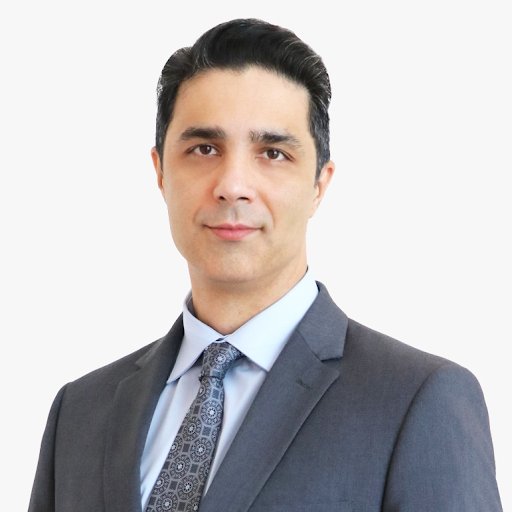
Dr. Farivar Bagheri practices at Emirates Specialty Hospital in DHCC and offers focused orthopedic and sports surgery assessments for shoulder problems, with modern non‑surgical and surgical options available. The practice emphasizes clear communication, tailored treatment plans, and coordinated rehabilitation. An emergency contact line is available 24/7 for urgent cases, and the team serves patients across Dubai and neighboring emirates. To prepare for an appointment, bring prior scans or reports, a brief timeline of symptoms, and a list of previous treatments to support a thorough, efficient evaluation.
Customer review


Article by
𝐃𝐫. 𝐅𝐚𝐫𝐢𝐯𝐚𝐫 𝐁𝐚𝐠𝐡𝐞𝐫𝐢
Orthopedic Surgeon & Sports Surgeon in Dubai – Specialized in Knee, Shoulder & Ankle Arthroscopy, Joint Replacement (Knee & Hip), Foot Surgery (Flat Foot & Hallux Valgus), and Trauma Surgery. With over 15 years of experience, practicing in Dubai under the Emirates Hospital Group. 📞 Emergency Line Available 24/7 – Our mobile and WhatsApp number is always active. Emergency cases are accepted anytime, regardless of the clinic schedule.