Complex Knee Problems in Dubai: What to Do When You’ve Been Told “Nothing More Can Be Done”
Practical guidance for patients in Dubai, Sharjah and Ajman with long‑standing or complex knee problems — how a thorough second opinion, modern diagnostics, joint‑preserving and revision options, and coordinated follow‑up can reveal treatment paths before giving up.
Who this article is for
This article is written for people in Dubai, Sharjah and Ajman who have persistent or complicated knee pain or dysfunction and who feel frustrated after multiple consultations that offered no clear solution. It explains what a thoughtful second opinion looks like, which diagnostic steps can change the diagnosis, what joint‑preserving and revision surgical options exist, and practical next steps for getting a fresh assessment.
What patients mean when they hear “nothing more can be done”
When a clinician says there is nothing more to be done, it can mean different things: that non‑surgical care has been exhausted, that further surgery carries high risk, or that the likely benefit of additional procedures is uncertain. Those judgments depend on the accuracy of the diagnosis, quality of imaging, the timing of injury or degeneration, and the patient’s overall health and goals. A different specialist may view the same situation through another lens and identify options that were previously overlooked.
How a focused second opinion is different
A helpful second opinion re‑examines the entire problem rather than repeating the prior conclusion. This typically includes a detailed history (how symptoms began and evolved), a hands‑on clinical exam, review of prior scans and operative notes, and clear discussion of functional goals. In complex cases, experienced knee surgeons often take more time to explain findings and weigh realistic options with the patient, particularly when previous clinicians focused primarily on what can’t be done.
Advanced diagnostics that can change the plan
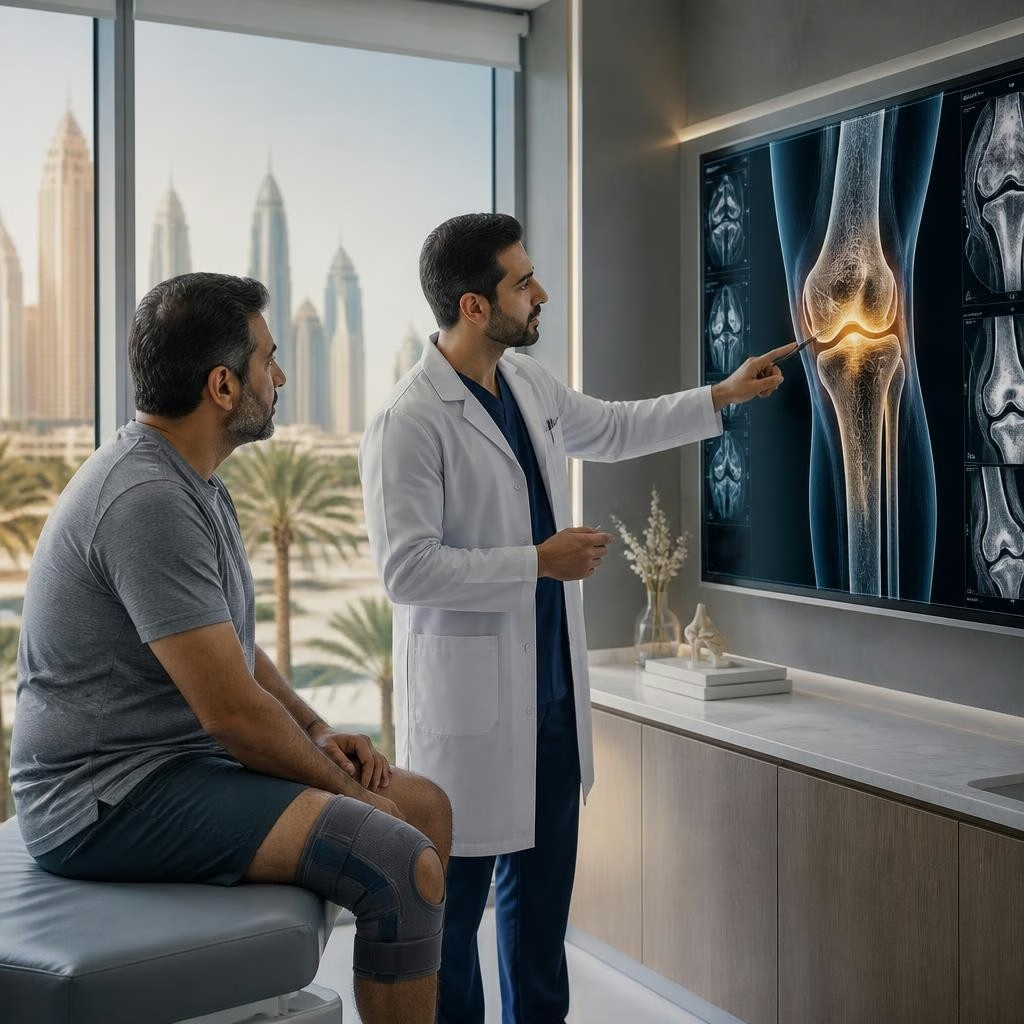
When initial imaging is inconclusive, targeted diagnostics can clarify the cause. Important studies include weight‑bearing radiographs to assess alignment, MRI to evaluate cartilage, ligaments and menisci, and CT for bone detail or planning revision procedures. In select cases diagnostic arthroscopy (a minimally invasive look inside the joint) or specialized MRI/CT arthrograms can reveal treatable lesions missed on routine scans. A fresh imaging review by a knee specialist often identifies treatable problems that were previously unrecognized.
Joint‑preserving surgical options to consider
If the joint surface is not end‑stage, surgeons may pursue joint‑preserving procedures that aim to relieve pain and maintain function. Options frequently considered include meniscus repair instead of removal, ACL or collateral ligament reconstruction for instability, cartilage repair or restoration techniques, and corrective osteotomy to realign the limb and offload damaged compartments. These treatments are intended to delay or avoid joint replacement while restoring stability and improving mechanics.
When revision surgery or replacement becomes the right choice
For patients with prior surgeries, failed repairs, or progressive joint damage, revision procedures or knee replacement may be the most predictable way to restore function and reduce pain. Revision surgery addresses problems from earlier operations—loose hardware, persistent instability, or failed grafts—while total or partial knee replacement can be recommended when degeneration is advanced and symptoms limit daily life. A careful discussion of risks, realistic outcomes and rehabilitation is essential before choosing these paths.
Non‑surgical and interventional alternatives worth exploring
Not every problem requires immediate surgery. In many cases structured rehabilitation, activity modification, targeted physiotherapy and weight management are central. Interventional options such as intra‑articular injections (hyaluronic acid, corticosteroids) or biologic therapies like PRP can reduce pain and improve function in selected patients. These approaches can be bridges to surgery or part of a long‑term management strategy when surgery is not feasible or desired.
Practical preparation for a second‑opinion clinic visit
To make the most of a second opinion, bring prior imaging (CD or digital files), operative notes if available, a list of treatments tried (including injections and physiotherapy), current medications, and a clear statement of your goals (e.g., walk without pain, return to sport). Be ready to describe symptom patterns, prior responses to treatment, and any medical issues that affect surgical risk. Clear documentation helps the specialist reach a precise assessment more quickly.
What patients commonly value about this approach
Many patients who seek a fresh assessment appreciate clinicians who take time to explain findings, outline realistic options and follow progress closely. Reviews from local patients highlight that thorough explanations, compassionate communication and coordinated follow‑up with the clinical team can make difficult decisions easier and support recovery. Coordination with nursing staff and administrative support also reduces stress around scheduling, insurance and aftercare.
Next steps in Dubai, Sharjah and Ajman
If you’ve been told there’s nothing more to be done, consider arranging a second opinion that includes a comprehensive clinical re‑evaluation and review of imaging. Dr. Farivar Bagheri practices in Dubai (DHCC) with service to patients across Dubai, Sharjah and Ajman and accepts complex and emergency referrals; the clinic’s team emphasizes clear explanations, coordinated care and follow‑up during recovery. Start by gathering your records and contacting your chosen orthopedic specialist to discuss whether a fresh diagnostic review or targeted imaging is appropriate for your case.
Article by
𝐃𝐫. 𝐅𝐚𝐫𝐢𝐯𝐚𝐫 𝐁𝐚𝐠𝐡𝐞𝐫𝐢
Orthopedic Surgeon & Sports Surgeon in Dubai – Specialized in Knee, Shoulder & Ankle Arthroscopy, Joint Replacement (Knee & Hip), Foot Surgery (Flat Foot & Hallux Valgus), and Trauma Surgery. With over 15 years of experience, practicing in Dubai under the Emirates Hospital Group. 📞 Emergency Line Available 24/7 – Our mobile and WhatsApp number is always active. Emergency cases are accepted anytime, regardless of the clinic schedule.