Non‑Surgical Orthopedic Options in Dubai: When Casting, Injections, and Bracing Can Replace Surgery
A practical guide to when casting, targeted injections, and bracing are appropriate alternatives to surgery for fractures, joint pain, and tendon problems in Dubai — how they work, typical recovery expectations, and when careful follow‑up or surgery becomes necessary.
Why non‑surgical care matters
Not every fracture, tendon problem, or episode of joint pain requires an operation. For many patients, conservative treatments — including casting or splinting, targeted injections, bracing, and structured rehabilitation — can relieve pain, stabilise an injury and restore function while avoiding the risks and recovery time of surgery. In Dubai, experienced orthopedic teams offer these options as part of a full spectrum of care, choosing treatments based on the individual patient, their medical risk factors, and imaging findings.
Common non‑surgical options explained
The main conservative tools used by orthopedic surgeons are: immobilisation (casts and removable splints), targeted injections (corticosteroids, epidural steroid injections, and platelet‑rich plasma/regenerative injections), and external support (braces and orthoses). Each approach addresses a different problem — stability for fractures, inflammation and pain for some joint and tendon conditions, and mechanical support for instability or off‑loading — and they are often combined with physiotherapy and activity modification.
When casting or splinting can replace surgery
Stable fractures, certain hand and wrist breaks, and many non‑displaced fractures can often be managed safely with a cast or well‑fitted splint. This is particularly important when surgery carries elevated medical risk for the patient. For example, families have reported successful healing of hand fractures after careful casting and close monitoring when surgery was not a safe option due to other health issues. The decision depends on fracture alignment, bone involvement, patient health, and the expected functional outcome.
What to expect with a cast: timeline and follow‑up
A cast or splint immobilises the injured area to allow bone or soft tissue to heal. Treatment duration varies by location and injury severity; weekly or monthly clinical checks and repeat X‑rays are typically performed to confirm alignment and healing. Patients should expect guidance on swelling control, skin care, safe movement of adjacent joints, and progressive rehabilitation once immobilisation ends. Prompt reporting of increasing pain, numbness, or changes in skin appearance is essential to prevent complications.
How targeted injections can help: pain control and healing support
Injections offer a non‑operative way to reduce inflammation, interrupt pain cycles, and in some cases promote tissue healing. Epidural steroid injections and joint steroid injections target inflammatory pain sources in the spine and joints; many patients experience meaningful symptom relief that enables rehabilitation. Regenerative injections, such as platelet‑rich plasma (PRP), aim to support soft‑tissue repair and can be useful for selected tendon and early joint cartilage problems. The choice of injection is made after a clinical assessment and imaging, and it is explained as part of a personalised plan.
Expected timelines and realistic outcomes for injections
Response to injections varies: steroid injections often provide relatively rapid pain reduction that may last weeks to months, while regenerative injections tend to produce gradual improvement over weeks as tissues respond. Injections are not guaranteed cures but can be effective in reducing pain, improving function, and delaying or avoiding surgery in many cases. Your surgeon will discuss realistic goals, potential side effects, and how injections fit into a broader rehabilitation plan.
Bracing and orthoses: stabilise and protect while you heal
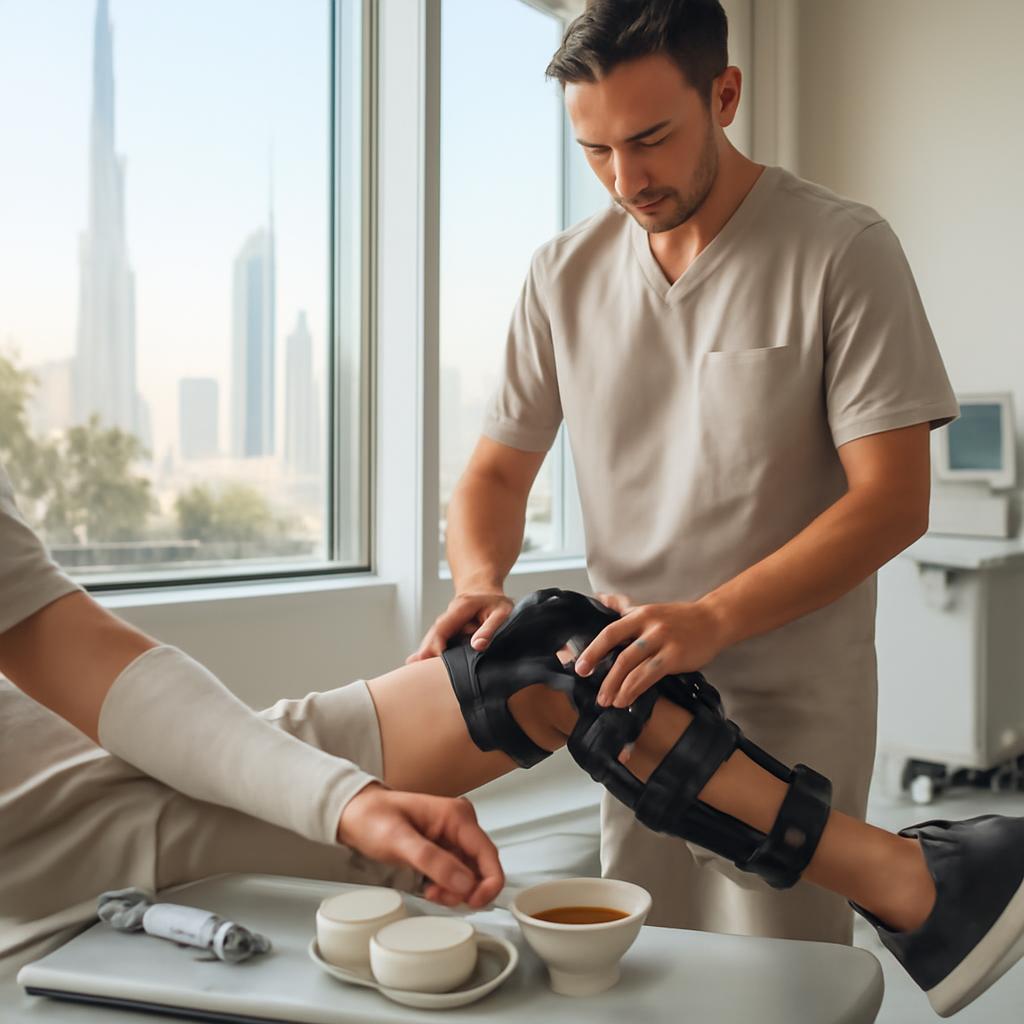
Braces and orthoses are valuable for joint instability, ligament injuries, and early osteoarthritis. For example, knee braces can off‑load painful compartments, ankle braces improve stability after sprains, and shoulder slings protect repairs or facilitate recovery from strains. A properly fitted brace, used with physiotherapy and activity modification, can reduce symptoms and help patients return to daily activities with greater confidence.
The role of rehabilitation and team follow‑up
Successful conservative care depends on structured follow‑up and rehabilitation. Regular clinical reviews, physiotherapy to restore strength and movement, and clear communication about activity progression all maximise the chance of a good outcome. Patients appreciate teams that explain each step and remain accessible for follow‑up; consistent contact and attentive nursing support help manage concerns and monitor healing throughout recovery.
When conservative care is not enough
Conservative management is appropriate for many patients but not all. Indications for considering surgery include persistent instability, progressive deformity, neurovascular compromise, unresolved severe pain despite appropriate conservative care, or injuries that will not heal in acceptable alignment. If symptoms worsen or function fails to improve within the planned timeframe, reassessment and discussion of surgical options are important to avoid long‑term problems.
Deciding on the right path in Dubai: practical next steps
If you are experiencing a fracture, persistent joint pain, or a tendon problem, seek an orthopedic evaluation that includes a clinical exam and appropriate imaging. Ask about non‑surgical alternatives, expected recovery timelines, and the follow‑up plan. In Dubai, many patients value direct access to specialists who provide clear explanations and continued follow‑up; emergency lines and hospital services are available for urgent issues. Conservative care can be an excellent option when chosen carefully and monitored closely — and your orthopedic surgeon will help you weigh benefits, risks and the best path to recovery.
Customer review


Article by
𝐃𝐫. 𝐅𝐚𝐫𝐢𝐯𝐚𝐫 𝐁𝐚𝐠𝐡𝐞𝐫𝐢
Orthopedic Surgeon & Sports Surgeon in Dubai – Specialized in Knee, Shoulder & Ankle Arthroscopy, Joint Replacement (Knee & Hip), Foot Surgery (Flat Foot & Hallux Valgus), and Trauma Surgery. With over 15 years of experience, practicing in Dubai under the Emirates Hospital Group. 📞 Emergency Line Available 24/7 – Our mobile and WhatsApp number is always active. Emergency cases are accepted anytime, regardless of the clinic schedule.