Root Canal Treatment in Yelahanka: Myths, Pain, Cost and Recovery Explained
Clear, practical answers about when you need a root canal, how pain is managed, typical visit schedules, whether a crown is required, and how a specialist clinic in Yelahanka helps patients stay comfortable during treatment.
What this guide covers
This article answers common patient questions about root canal treatment (endodontic therapy) for people living in Yelahanka, Jalahalli and Vidyaranyapura. You will learn when a root canal may be necessary, which common myths to set aside, what to expect in terms of pain and the number of visits, whether a crown is usually needed afterward, and practical recovery and aftercare tips. Information is provided with the context of local specialist care—Dr Rana's Derma & Dental care offers root canal services, X‑ray diagnostics and restorative options for patients in north Bangalore.
When do you need a root canal?
A root canal is considered when the tooth’s inner pulp (nerve and blood supply) is inflamed or infected. Signs that should prompt an evaluation include persistent or severe toothache, prolonged sensitivity to hot or cold, swelling or an abscess near the tooth, ongoing pain when biting, or extensive decay reaching the pulp. Trauma or a deep filling can also damage the pulp. The only reliable way to confirm the need for treatment is a clinical exam and diagnostic X‑rays, services typically available at specialist dental clinics in the area.
Separating fact from fiction: common myths
Several myths about root canals cause unnecessary fear. Myth: "Root canals are more painful than extractions." Fact: modern root canal treatment is done under local anesthesia and is intended to relieve pain from an infected tooth. Myth: "It’s better to pull a bad tooth than save it." Saving a natural tooth when possible is usually preferable for chewing function and to avoid future replacement procedures. Myth: "Root canals always require many long visits." While complexity varies, many cases are completed in one or two visits with modern techniques. A qualified dentist or endodontist will explain which statements apply to your specific situation.
Pain control during and after the procedure
Contemporary root canal procedures use local anesthesia to keep the tooth numb throughout treatment; most patients report little to no pain during the appointment. After the procedure, mild soreness or tenderness for a few days is common and manageable with over‑the‑counter pain relievers as recommended by your dentist. In cases of significant pre‑existing infection, your dentist may prescribe medication or schedule additional follow‑up care. If anxiety about the procedure is a concern, discuss comfort options and clear explanations with the clinic before treatment.
How many visits will it take and what happens each time
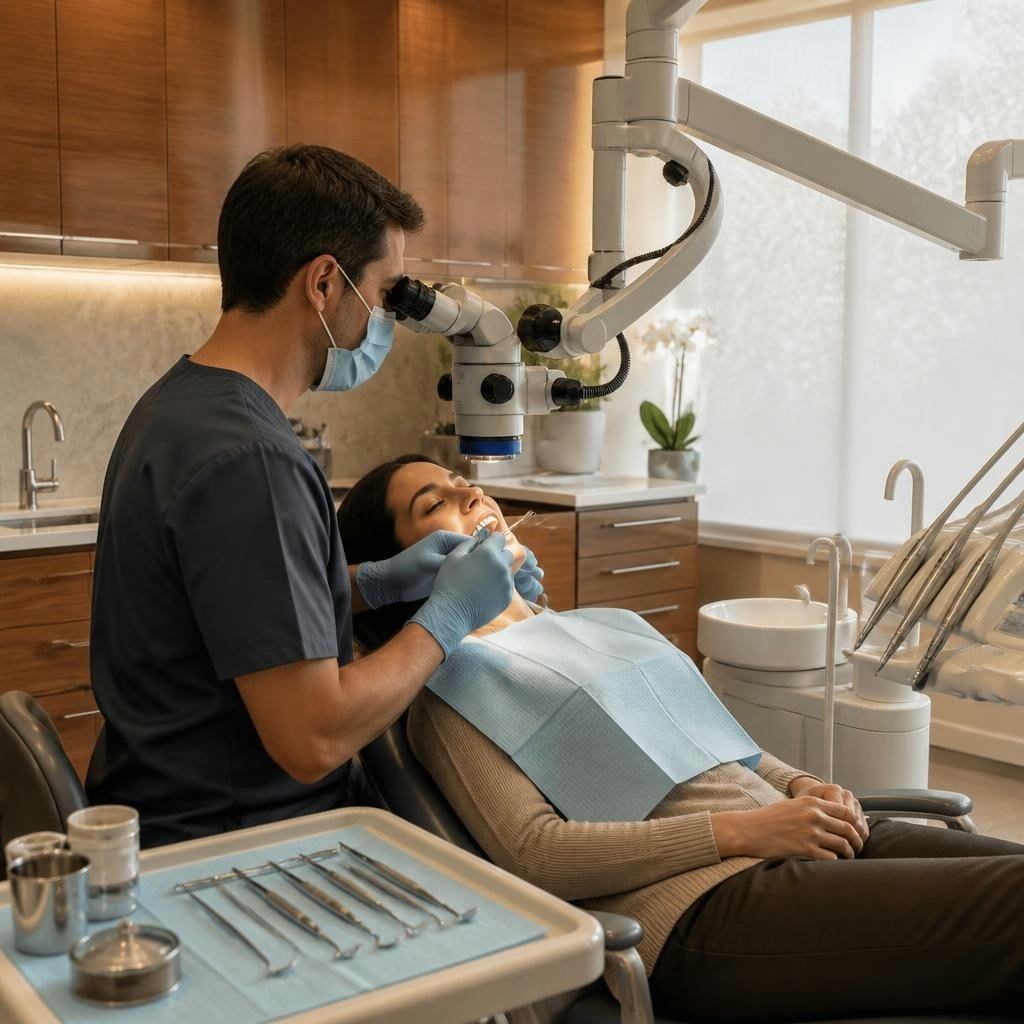
The number of visits depends on the tooth’s condition and the chosen treatment approach. Typical steps include an initial consultation and X‑ray, cleaning and shaping of the root canals, and placement of a filling or temporary restoration. Some straightforward cases are completed in a single visit; others with active infection or complex anatomy may require two or more appointments. Clinics that offer on‑site X‑rays and clear communication can provide an individualized plan and timeline during your first visit.
Do you always need a crown after a root canal?
A crown is commonly recommended for posterior teeth (molars and premolars) after root canal therapy because these teeth endure high biting forces and may become more brittle once the pulp is removed. Anterior teeth (front teeth) sometimes require only a filling or a more conservative restoration. The decision depends on factors such as the amount of remaining tooth structure, location of the tooth and aesthetic needs. Specialist clinics that offer crowns, veneers and core build‑ups can advise on the most durable, conservative restoration for your tooth.
Recovery and aftercare: practical tips
Recovery is usually straightforward. Avoid hard or crunchy foods on the treated tooth until the final restoration is in place, maintain good oral hygiene, and attend scheduled follow‑ups so your dentist can confirm healing. If you experience increasing pain, swelling or a return of symptoms, contact the clinic promptly. Treatment cost varies with complexity, need for additional procedures (post, crown) and materials used; request a personalized estimate during your diagnostic visit or via online booking if the clinic offers it.
Choosing a specialist clinic in Yelahanka and what to expect
When selecting a clinic for root canal treatment, look for clear diagnostics (including X‑rays), an experienced clinician who explains options, strict infection control and a comfortable environment. Local patients have highlighted professionalism and strong sterilization practices as important factors when choosing care. Dr Rana’s Derma & Dental care lists root canal therapy, X‑ray diagnostics, restorative work and emergency care among its services and serves patients across north Bangalore. Before booking, confirm treatment steps, expected visits and restoration plans so you can make an informed choice for your dental health.
Customer review


Article by
Dr Rana's Derma & Dental care
Dr. Rana's Derma and Dental craft is pioneer service provider in field of medical and cosmetic aesthetic along with Complete dental care since 2017