24‑Hour Holter Monitoring in Kollam: A Patient’s Step‑by‑Step Guide
A concise guide to when a 24‑hour Holter is recommended, what happens when the device is attached, practical tips for the recording day, and how clinicians use the report to tailor care at Dr. Sujay's Heart Care Clinic in Kollam.
When a 24‑Hour Holter Is Recommended
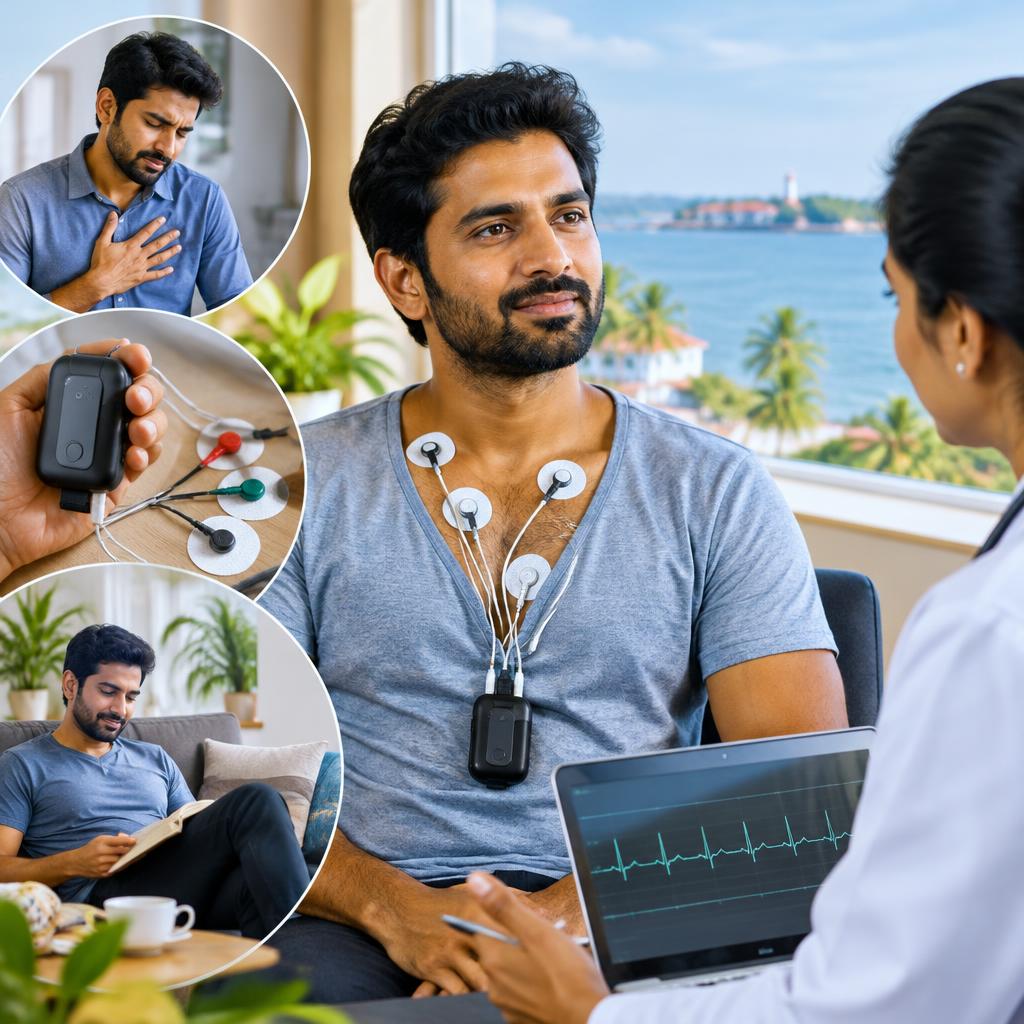
A Holter monitor is a continuous 24‑hour ECG recording used when symptoms are intermittent and not captured by a standard clinic ECG. Typical reasons to consider Holter monitoring are repeated palpitations, episodes of giddiness or light‑headedness, unexplained sensations of a rapid or irregular heartbeat, or when your cardiologist wants to assess how your heart rhythm behaves during normal daily activities. At Dr. Sujay's Heart Care Clinic, cardiologists evaluate your symptoms and medical history to determine whether a Holter will provide information that could influence diagnosis or treatment decisions.
Preparing for Your Holter Appointment
Preparation is straightforward. Bring a list of current medications and any notes about recent symptoms. Wear loose, comfortable clothing so staff can place electrodes on your chest easily. Avoid applying lotions or oils to your chest on the day of the test, as these can affect electrode adhesion. Clinic staff will explain the procedure, attach several small electrodes to the chest, and connect them to a lightweight recorder that you carry on a belt or shoulder strap. The attachment is painless; the team will show you how to check that everything feels secure before you leave.
Practical Guidance During the 24‑Hour Recording
During the recording period, try to follow your normal routine so the tracing reflects typical activity. Keep a written diary of the times you experience symptoms (for example, palpitations or dizziness) and note any unusual activities, sleep, or medication changes—this information helps the cardiologist correlate events with the ECG. Keep the recorder and electrodes dry: if you need to bathe or shower, check with the clinic first for instructions. Avoid vigorous activity that could dislodge electrodes, and contact the clinic promptly if leads come loose or the recorder shows an alert.
Returning the Device and How the Report Is Used
After approximately 24 hours you will return the recorder to the clinic or an affiliated facility for data download and analysis. A cardiologist at Dr. Sujay's Heart Care Clinic reviews the full report to identify rhythm disturbances, correlate symptoms with recorded events, and assess heart rate trends over the day and night. The results help the clinician decide whether treatment should be adjusted, whether further testing is needed, or if reassurance and monitoring are sufficient. Many patients appreciate the clinic’s clear explanations and attentive follow‑up; the staff aim to discuss findings and next steps in a calm, patient‑centred manner at the follow‑up appointment on Anjili Road, Kollam.
Article by
Dr.Sujay's Heart Care Clinic
Dr. Sujay's Heart Care Clinic is a professional cardiology practice specialising in a comprehensive health care approach. We focus on disease prevention, cardiac rehabilitation, patient education, and scientific medical care. All cardiac diagnostic testing can be performed in our clinic or one of our affiliated hospitals.