Cardiac Rehabilitation Basics: Safely Returning to Daily Life After a Heart Event
A concise guide to cardiac rehabilitation after a heart attack, angioplasty, or surgery — covering safe exercise progression, monitoring, diet, emotional support, and practical follow-up steps you can discuss with your cardiology team.

What is cardiac rehabilitation and why it matters
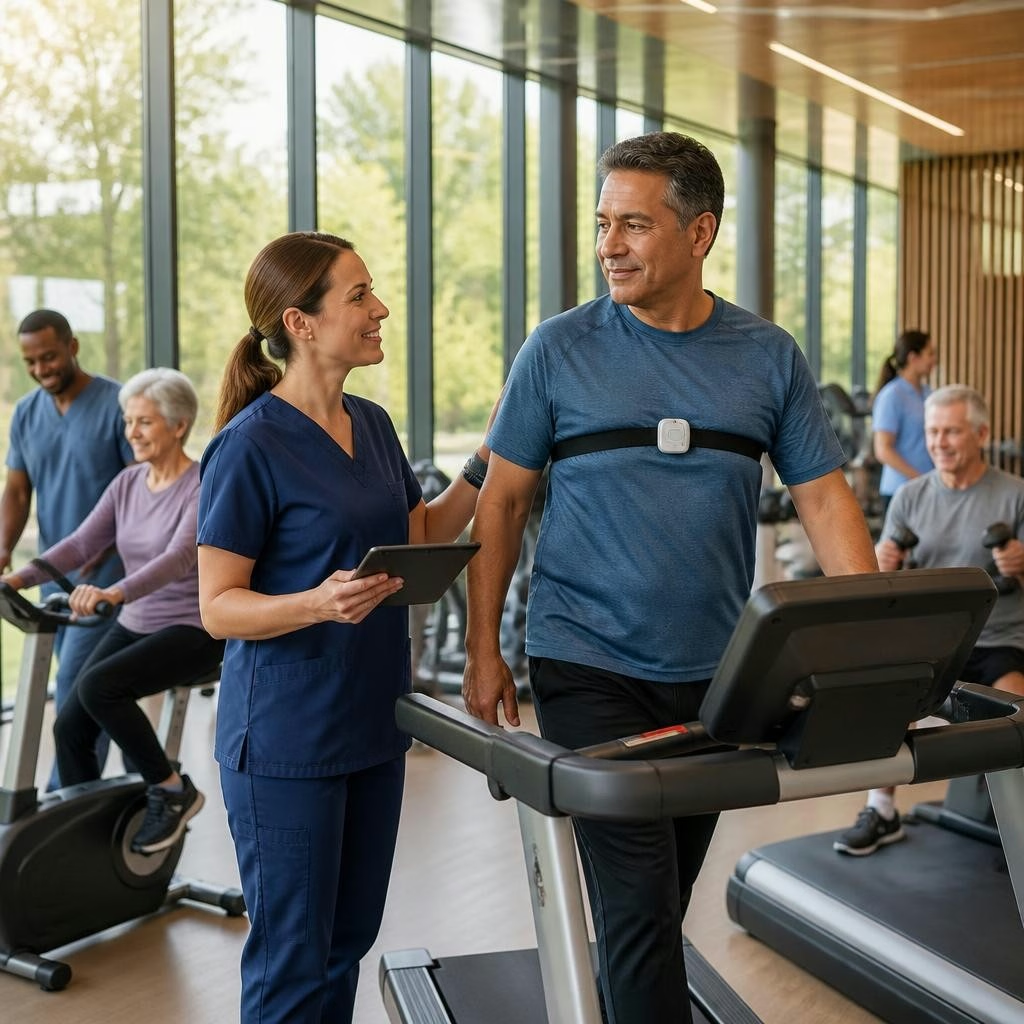
Cardiac rehabilitation is a structured program of medical assessment, supervised exercise, education, and lifestyle support designed to help people recover confidence and reduce future risk after a heart event. For patients who have had a heart attack, angioplasty, or cardiac surgery, rehabilitation aims to restore physical fitness, stabilise cardiac risk factors, and provide the knowledge needed to manage health at home.
Who should consider rehabilitation and the first steps
Patients recently treated for acute coronary events, revascularisation procedures, or valve or other cardiac surgery are typical candidates for rehabilitation. The first step is a medical review with your cardiologist to assess stability and tailor a safe plan. That assessment guides appropriate testing, an exercise plan, and the timing of supervised activity versus home-based recovery.
How rehabilitation is usually organised
Rehabilitation commonly follows a gradual, stage-based approach: initial bedside or early-mobility guidance after hospital discharge, a supervised outpatient phase focused on monitored exercise and education, and a longer-term maintenance phase to embed healthy habits. Each stage emphasises individualised intensity and progression based on symptoms, medication status, and test results.
Safe exercise: progression and monitoring
Safe return to physical activity emphasises slow, steady progression from light activities (walking, gentle stretching) to longer, moderate-intensity aerobic exercise as tolerated. Supervision and monitoring reduce risk: measurements such as ECG, 24-hour Holter monitoring, and ambulatory blood pressure are useful tools to check rhythm and blood pressure response during recovery. At our clinic these diagnostics can be arranged to guide exercise prescriptions and ensure activity is appropriate for each patient.
Diet, medications and blood tests to guide recovery
Control of cholesterol, blood sugar and other risk factors is central to rehabilitation. Dietary changes that reduce saturated fat, manage portion sizes, and prioritise whole foods are commonly recommended alongside prescribed medications. Objective testing — including lipid profile, renal and liver function, HbA1c and other panels available at the clinic — helps your cardiologist personalise treatment and monitor progress.
Emotional support and patient education
Recovering from a cardiac event often involves emotional adjustment, including anxiety about exertion or returning to daily roles. Cardiac rehabilitation includes counselling, peer support and education about symptom recognition, stress management and gradual activity resumption. Patient education empowers you to make informed choices about exercise, diet, medication adherence and gradual lifestyle changes.
Follow-up plans and when to seek urgent care
A clear follow-up schedule with your cardiology team helps keep recovery on track — regular appointments, periodic testing and contact points for new symptoms are part of that plan. If you experience new or worsening chest pain, unexplained breathlessness, fainting, or other concerning symptoms, seek urgent medical attention. For non‑urgent concerns about progress, medication side effects or activity limits, contact your cardiologist to adjust the rehabilitation plan.
How Dr. Sujay’s Heart Care Clinic supports rehabilitation
At Dr. Sujay's Heart Care Clinic (Anjili Road, Kollam) the care approach emphasises disease prevention, patient education and cardiac rehabilitation supported by in‑clinic diagnostics or affiliated hospital testing when needed. We can arrange ECGs, echocardiograms, Holter monitoring, ambulatory blood pressure monitoring and the blood test panels used to track risk factors. Many patients appreciate the calm clinic atmosphere and professional staff, which helps make rehabilitation a more comfortable process. Talk with your cardiologist here to build a stepwise, supervised plan tailored to your recovery goals.
Customer review


Article by
Dr.Sujay's Heart Care Clinic
Dr. Sujay's Heart Care Clinic is a professional cardiology practice specialising in a comprehensive health care approach. We focus on disease prevention, cardiac rehabilitation, patient education, and scientific medical care. All cardiac diagnostic testing can be performed in our clinic or one of our affiliated hospitals.