Caring for a Heart Patient at Home in Kollam: A Practical Family Caregiver’s Checklist
A clear, step‑by‑step checklist for family caregivers in Kollam on medication routines, diet and fluid guidance, home monitoring (BP, pulse, symptoms), when to contact the clinic or emergency services, and how to support emotional recovery.

Why a checklist helps
Caring for someone after a cardiac diagnosis or procedure can feel overwhelming. A simple, consistent checklist helps families reduce errors, remember follow‑up tasks, and spot problems early. This article provides practical steps you can use at home in Kollam, based on clinical best practices and the kinds of patient experiences reported by visitors to Dr. Sujay's Heart Care Clinic.
Set up medication routines
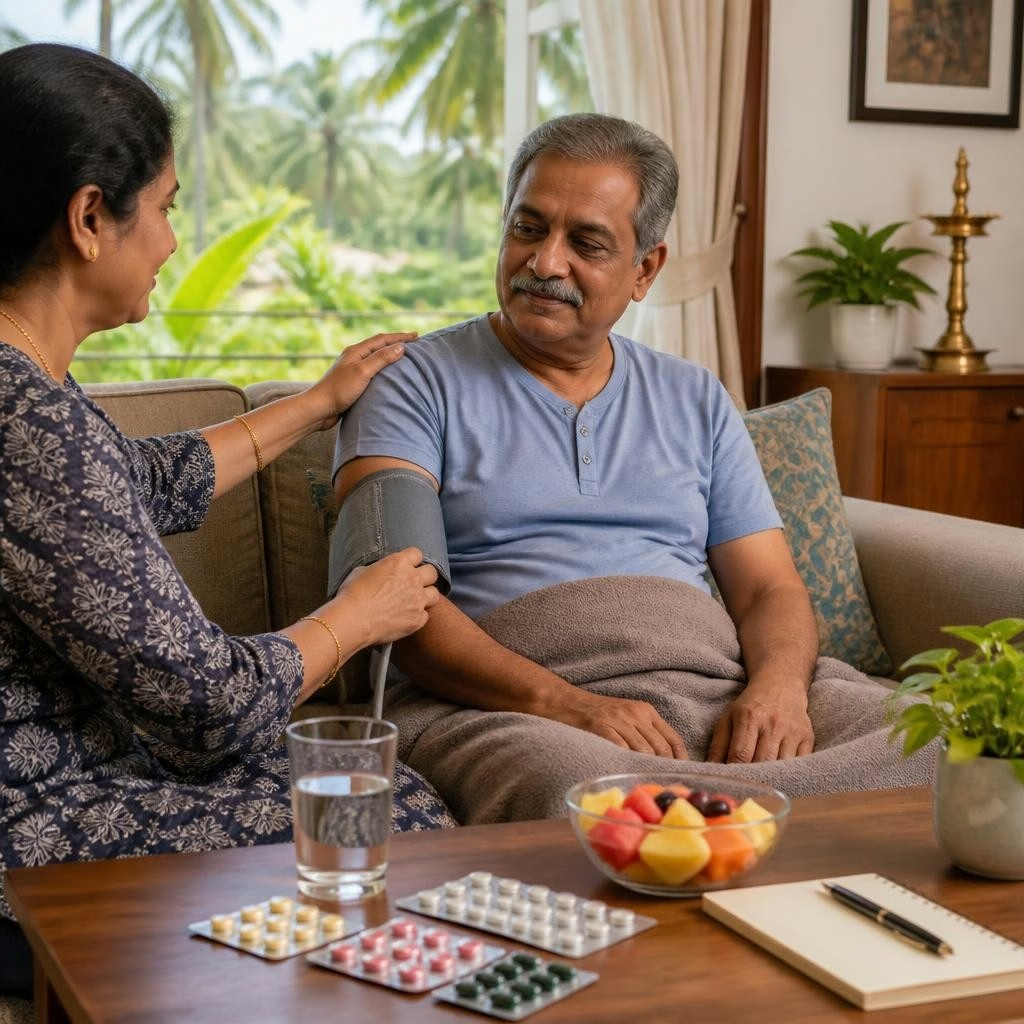
Medications are often the most critical part of recovery. Use a daily pill box or labelled containers, list each medicine with dose and time, and keep a copy of the prescription where anyone caring for the patient can find it. Check that the patient understands the purpose and possible common side effects of each drug. If swallowing or appetite is a problem, talk with the clinic before changing how a medicine is taken. Regularly review the medication list at appointments and bring all current medicine containers to the clinic visit.
Diet, fluids and sodium — practical guidance
A heart‑healthy approach generally focuses on fresh vegetables, fruits, whole grains, lean proteins, and limiting processed foods high in salt and saturated fats. Encourage regular small meals rather than large heavy meals, and avoid excessive fluid or salt intake if the doctor has advised restrictions. When the clinic has given specific dietary instructions, follow those precisely and ask for clarification at follow‑up visits if needed.
Monitoring blood pressure, pulse and symptoms at home
Regular vital checks help detect changes early. If prescribed, measure blood pressure and pulse at consistent times each day and record the numbers in a notebook or app. Dr. Sujay's clinic offers ambulatory blood pressure monitoring and home monitoring guidance when needed. In addition to BP and pulse, note symptoms such as increasing breathlessness, dizziness, swelling in the legs, new or worsening chest discomfort, or sudden palpitations. Share these records at clinic appointments to help guide treatment decisions.
When to call the clinic versus emergency services
For new, severe, or rapidly worsening symptoms—such as intense chest pain, sudden severe breathlessness, fainting, or signs of stroke—seek emergency care immediately. For non‑emergent concerns (new palpitations, gradual increase in shortness of breath, concerning blood pressure recordings, medication questions, or follow‑up clarifications), contact your cardiology clinic during office hours. Many families appreciate that staff help coordinate appointments and that the cardiologist takes time to listen—bringing written questions and your symptom log to the visit makes consultations more productive.
Organize tests, appointments and medical records
Keep a folder of recent test results, prescriptions, and referral notes. Important tests commonly used by the clinic include ECG, echocardiogram, 24‑hour Holter monitoring and ambulatory BP monitoring, as well as the blood test panels offered. Before scheduled visits, list new symptoms and review any test results with the specialist so follow‑up plans and changes in therapy are clear.
Support emotional well‑being and encourage safe activity
Heart disease affects more than the body—patients often experience anxiety or low mood. Maintain a calm home environment, encourage social contact, and gently support gradual return to light activities as advised by the doctor or cardiac rehab team. Avoid pushing the patient into strenuous tasks; instead, focus on routines that restore confidence, such as short daily walks (if approved) and structured rest periods. If emotional concerns persist, mention them at the next clinic visit so the care team can suggest appropriate support.
Practical daily checklist to keep on the fridge
Create a one‑page checklist with: (1) morning and evening medications and times, (2) times to measure BP and pulse, (3) fluids and dietary reminders, (4) a symptom list with clear instructions when to call, and (5) upcoming appointments and tests. Keep emergency contact numbers and the clinic address—Anjili Road, Kollam—handy. Bringing this checklist to clinic visits helps the care team tailor advice to your daily reality.
Customer review


Article by
Dr.Sujay's Heart Care Clinic
Dr. Sujay's Heart Care Clinic is a professional cardiology practice specialising in a comprehensive health care approach. We focus on disease prevention, cardiac rehabilitation, patient education, and scientific medical care. All cardiac diagnostic testing can be performed in our clinic or one of our affiliated hospitals.