Diabetes and the Heart: Why Sugar Control Matters for Cardiac Health
This article explains how common diabetes tests such as HbA1c relate to long‑term heart risk, how high blood sugar harms blood vessels over time, and practical steps people in Kollam can take to protect their hearts.

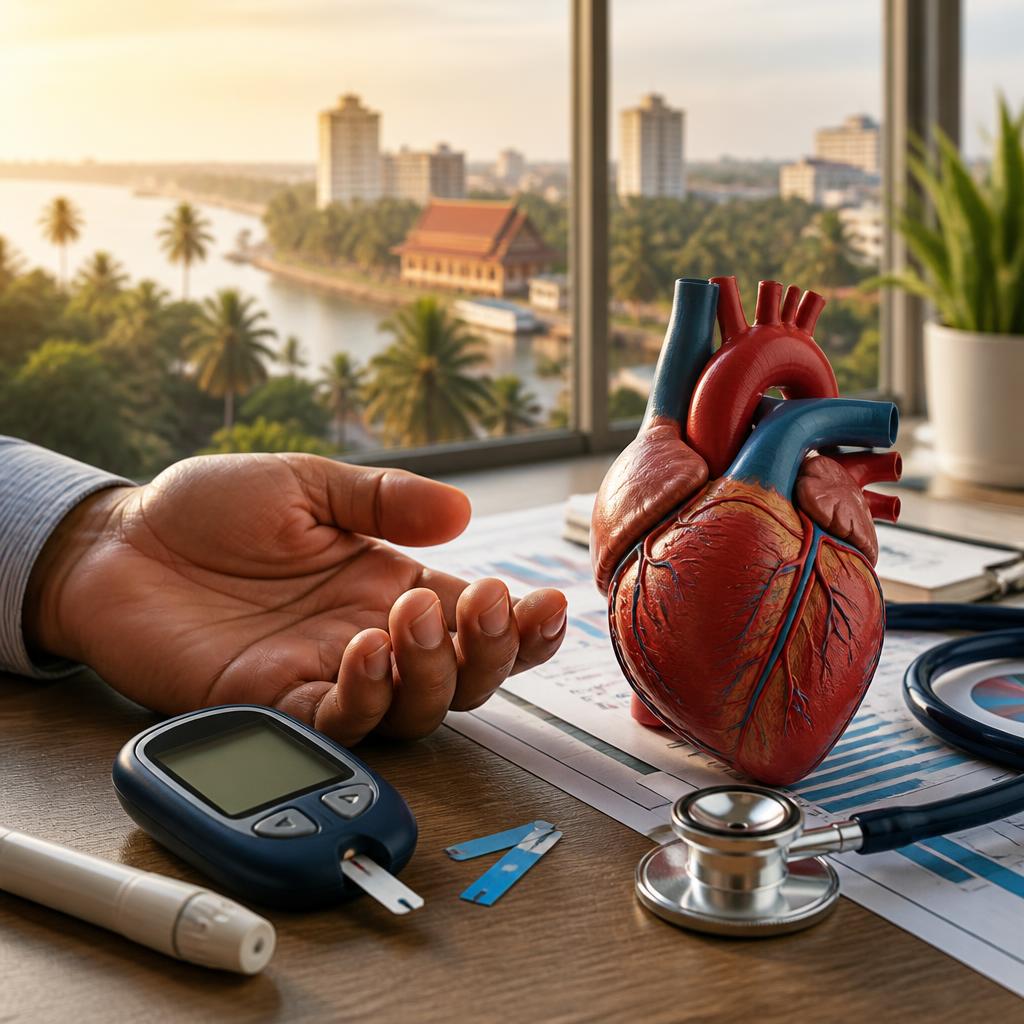
Why blood sugar control matters for the heart
High blood sugar is not only a concern for diabetes itself — it is a major factor in how heart and blood vessel disease develops over years. Persistent elevations of blood glucose increase the risk of clogged arteries, heart muscle dysfunction and vascular complications that raise the chance of heart attack, stroke and other cardiovascular events. Controlling sugar levels is therefore a central part of preventing long‑term heart damage, alongside managing blood pressure and cholesterol.
What HbA1c tells you about long‑term risk
HbA1c is a routine blood test included in many standard panels that measures average blood glucose over several months. Unlike a single fasting glucose reading, HbA1c reflects long‑term exposure of the body to glucose. Because blood vessels respond to cumulative exposure, HbA1c is a useful marker when clinicians assess the risk of future heart and vascular problems and decide whether lifestyle changes or treatment adjustments are needed.
How high glucose quietly damages blood vessels
Prolonged high blood sugar affects vessels in multiple, often silent ways. It can worsen inflammation, make the inner lining of arteries less able to relax, and encourage the buildup of fatty plaques. Over time these processes narrow arteries, reduce blood flow to the heart and other organs, and increase the chance of clot formation. Small vessels — those supplying the heart, kidneys and eyes — are also vulnerable, which is why people with diabetes can develop several parallel complications.
Heart problems commonly linked with diabetes
People with diabetes or prediabetes face a higher likelihood of coronary artery disease (blockages of the heart’s blood vessels), heart failure, and silent ischemia (reduced blood flow without clear symptoms). Diabetes also raises the risk of stroke and peripheral vascular disease. These risks are compounded when high blood sugar coexists with other issues such as high blood pressure, abnormal cholesterol or obesity, so a broad approach to risk reduction is needed.
Testing and monitoring available to assess risk
At Dr. Sujay's Heart Care Clinic we perform and coordinate tests that help assess cardiovascular risk related to diabetes. Our routine blood test panels include HbA1c and a lipid profile; we also offer ECG, echocardiogram, ambulatory 24‑hour blood pressure monitoring, and Holter monitoring for rhythm evaluation. These diagnostics — which can be performed in the clinic or at affiliated hospitals — give a clearer picture of how diabetes is affecting the heart and guide next steps in prevention or treatment.
Practical steps patients can take to protect their hearts
Several practical actions reduce heart risk in people with diabetes or prediabetes. Prioritise a balanced diet focused on whole foods and portion control, increase regular physical activity within your capability, and stop smoking. Take prescribed medicines as advised, and keep scheduled monitoring tests and follow‑ups. Managing blood pressure and lipids alongside blood sugar is important; discuss individual targets and medication options with your cardiologist. Small, consistent changes in daily habits often have the biggest long‑term impact.
How we support patients in Kollam
Dr. Sujay's Heart Care Clinic emphasises prevention, patient education and cardiac rehabilitation as part of comprehensive care. Many patients note the clinic’s calm atmosphere and professional approach, and report that the doctor explains treatment clearly and listens to concerns. If you have diabetes or prediabetes, bring recent test results such as HbA1c and lipid reports when you consult — together we can review your cardiovascular risk, recommend appropriate tests available at the clinic, and agree a personalised plan to protect your heart.
Article by
Dr.Sujay's Heart Care Clinic
Dr. Sujay's Heart Care Clinic is a professional cardiology practice specialising in a comprehensive health care approach. We focus on disease prevention, cardiac rehabilitation, patient education, and scientific medical care. All cardiac diagnostic testing can be performed in our clinic or one of our affiliated hospitals.