Heart Care for Elderly Parents in Kerala: How to Support Them Before and After the Visit
Practical, step-by-step guidance for families on preparing an older parent for a cardiology visit, supporting them during tests and consultation, and following the doctor’s advice at home.

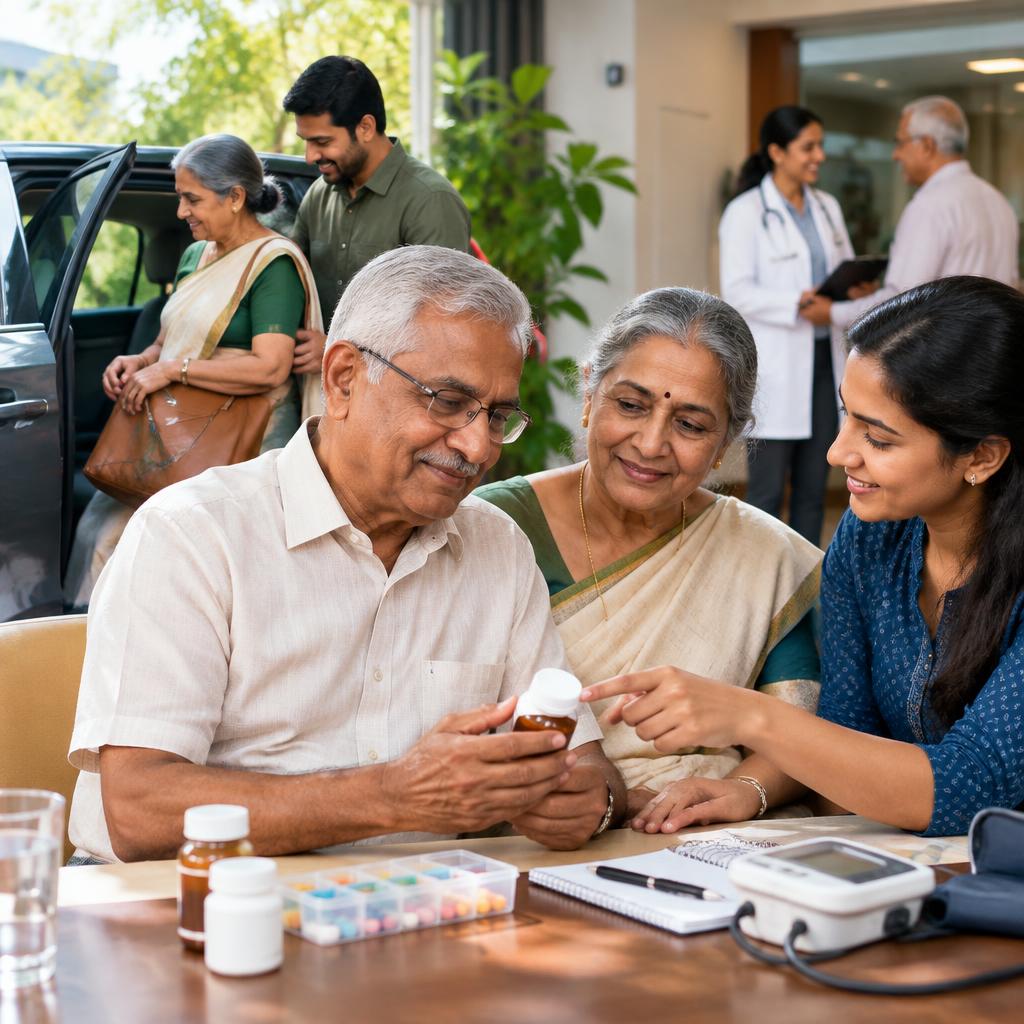
Why family support matters for older patients
Older adults often face extra challenges—memory lapses, mobility limits, hearing or vision changes, and anxiety about medical visits. When a family member accompanies them, it improves safety, communication, and the chances that medical advice will be followed. At Dr. Sujay's Heart Care Clinic patients and relatives regularly report that the clinical team listens and explains clearly, which helps reduce worries and build confidence before, during and after appointments.
Before the appointment: plan, prepare and prioritize
Start by booking a suitable appointment time and telling staff about any mobility needs; reviewers commonly note the clinic staff help arrange convenient timing. Plan transport that keeps walking short and allows a companion to stay with the patient. Gather current medications (packages or a written list with doses and times), recent test reports, and a brief medical history. Prepare a short list of key questions—prioritize concerns about symptoms, medication changes, test needs, and practical daily-care instructions. If the doctor may order tests (ECG, echocardiogram, Holter monitoring, ambulatory blood pressure monitoring, or blood panels), call ahead to ask whether any test requires fasting or special preparation.
During the visit: help your parent communicate and understand
Sit with your parent during the consultation to help describe symptoms, remind the doctor of medications and clarify instructions. Encourage the clinician to explain findings in plain language and to provide written instructions or a prescription summary you can take home. Many services needed for heart assessment—3-channel ECG, echo reported by a senior cardiologist, 24-hour Holter, ambulatory blood pressure monitoring, and in-clinic blood testing—are available through the clinic or affiliated hospitals, so ask which tests will be done that day and how they will affect the plan. If a device (like a Holter) must be worn, request a demonstration of how to wear it and any activity restrictions to follow while monitoring is in progress.
After the visit: follow-up, medication and everyday care
Translate the visit into a simple action plan: list new medications with doses and times, schedule any recommended tests or follow-up appointments, and set reminders for medication and appointments. Watch for warning signs your doctor highlights and know how to contact the clinic with questions. For lifestyle and rehabilitation advice, follow the clinic’s recommendations on activity, diet, and cardiac rehabilitation steps; if practical, accompany your parent on early walks or exercise sessions to encourage adherence. Keep copies of test results and the summary from the visit so future providers have a clear record. When in doubt, contact the clinic staff—patients frequently report the team’s supportive approach makes it easier to manage care at home.
Customer review


Article by
Dr.Sujay's Heart Care Clinic
Dr. Sujay's Heart Care Clinic is a professional cardiology practice specialising in a comprehensive health care approach. We focus on disease prevention, cardiac rehabilitation, patient education, and scientific medical care. All cardiac diagnostic testing can be performed in our clinic or one of our affiliated hospitals.