Heart Health Blood Tests Explained: What Each Test in a Cardiac Panel Means for You
A clear, practical guide to common blood tests used in cardiology — what each test measures, why it matters for the heart, and what patients can expect when these tests are ordered at Dr. Sujay's Heart Care Clinic.
Why blood tests matter in heart care
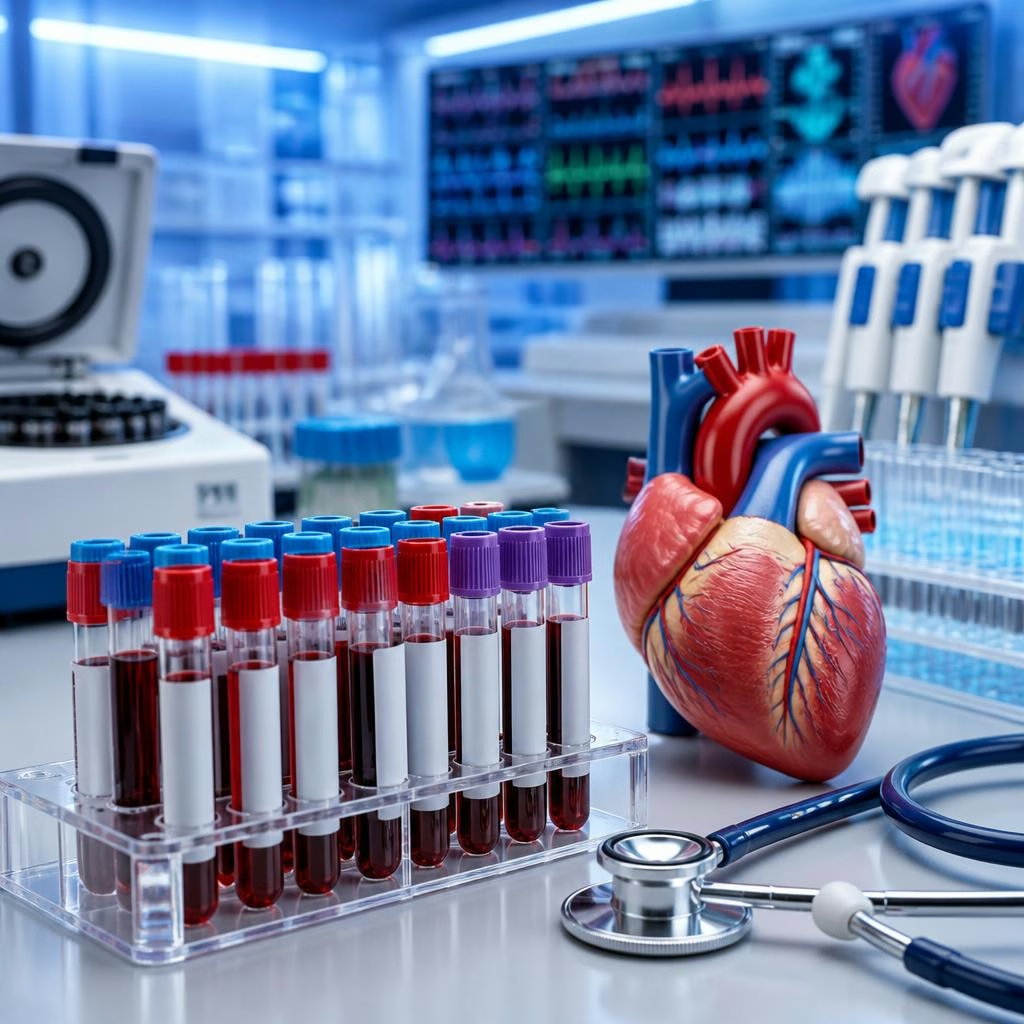
Blood tests are a fundamental part of assessing cardiovascular risk, monitoring existing heart conditions, and safely prescribing or adjusting medications. They provide objective information about cholesterol and lipid levels, blood sugar control, organ function, electrolytes and vitamin status — all of which influence heart health. At Dr. Sujay's Heart Care Clinic we combine blood test results with clinical assessment and cardiac diagnostics (ECG, echocardiogram, Holter monitoring) to build a complete picture of a patient’s cardiovascular status.
Lipid profile: cholesterol and triglycerides
A lipid profile measures total cholesterol, LDL (often called “bad” cholesterol), HDL (“good” cholesterol), and triglycerides. High LDL and triglycerides or low HDL are associated with greater risk of plaque formation in arteries, which can lead to heart attacks and strokes. Clinicians use lipid results to decide on lifestyle advice and, when appropriate, cholesterol-lowering therapy. Regular monitoring shows whether treatment and lifestyle changes are achieving the intended goal.
Sugar tests: fasting glucose and HbA1c
Tests such as fasting blood glucose and HbA1c (glycated hemoglobin) assess how well blood sugar is controlled over time. Poorly controlled diabetes or elevated long-term blood sugar increases the risk of coronary artery disease and worsens outcomes after heart events. Detecting elevated glucose or HbA1c early allows the care team to advise dietary, lifestyle, or medical changes that reduce cardiovascular risk.
Kidney and liver function: why they matter for the heart
Renal (kidney) and liver function tests are commonly included in cardiac panels because both organs affect cardiovascular health and medication choices. Kidneys play a direct role in blood pressure regulation and fluid balance; impaired kidney function raises cardiovascular risk. Liver tests are checked because many heart medicines are processed by the liver, and abnormal liver function can affect drug selection or dosing.
Thyroid tests: an often-overlooked contributor
Thyroid hormones influence heart rate, rhythm, and cholesterol levels. Both an overactive and an underactive thyroid can produce cardiac symptoms — for example, palpitations, irregular heartbeats or changes in lipid levels. Thyroid function tests help identify whether thyroid disease is contributing to heart symptoms or to abnormal cholesterol or rhythm findings.
Electrolytes and vitamin D: supporting rhythm and overall risk
Electrolytes such as potassium, sodium and magnesium are essential for normal heart rhythm and muscle function. Abnormal electrolyte levels can lead to arrhythmias or affect how the heart responds to treatment. Vitamin D is increasingly recognised for its role in overall cardiovascular health; low levels are common and may be addressed as part of a broader prevention strategy. Both kinds of tests are typically included in a comprehensive blood test panel.
What to expect at the clinic and next steps
At Dr. Sujay's Heart Care Clinic common blood tests are available as part of a blood test panel (including lipid profile, HbA1c, renal and liver function, thyroid tests, electrolytes and vitamin D). Samples can be collected at the clinic or arranged through affiliated hospitals. After results are available, your cardiologist will explain what each result means for your heart, recommend lifestyle changes or further testing, and only prescribe medication when indicated. Patients frequently comment that the clinic’s experienced team makes the testing process straightforward and calm, which helps with follow-up and understanding next steps.
Customer review


Article by
Dr.Sujay's Heart Care Clinic
Dr. Sujay's Heart Care Clinic is a professional cardiology practice specialising in a comprehensive health care approach. We focus on disease prevention, cardiac rehabilitation, patient education, and scientific medical care. All cardiac diagnostic testing can be performed in our clinic or one of our affiliated hospitals.