Thyroid, Kidney and Liver Tests for Heart Patients: What Your Cardiologist Wants to Know
A clear, practical guide to why cardiologists order thyroid, renal and liver function tests, what common blood results mean for heart care and medication safety, and how to prepare questions and documents for your appointment.
Why cardiologists check thyroid, kidney and liver function
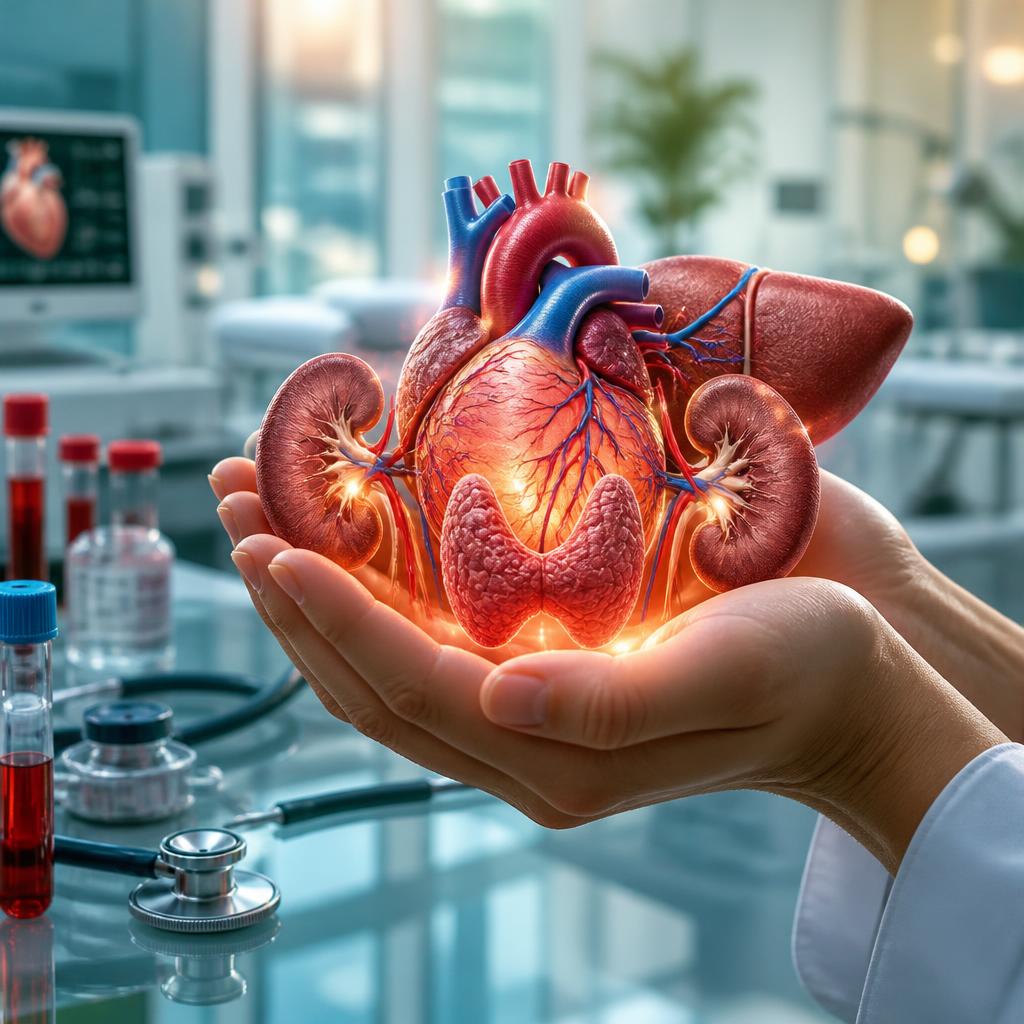
The heart does not work alone: hormones, fluid balance and the body’s ability to process medicines all influence heart rate, rhythm and blood pressure. Thyroid, kidney and liver tests give your cardiologist information they cannot get from an ECG or echo alone. Thyroid hormones affect heart rate, rhythm and cholesterol levels; kidneys control fluid and electrolyte balance that influence blood pressure and arrhythmia risk; the liver is central to drug metabolism and clotting. Together these test results help the cardiologist understand underlying contributors to symptoms and plan safer, more effective treatment.
Common tests your clinic may order and what they show
Many of the blood checks used in cardiac care are part of a routine panel: thyroid function tests (for TSH and related hormones), renal function tests (creatinine and related measures), liver function tests (enzymes, bilirubin and proteins), lipid profile, electrolytes (potassium, sodium), complete hemogram and tests such as HBA1C. In the clinic’s listed services you’ll see these exact panels available. Briefly, thyroid tests indicate over- or under-active thyroid states that alter heart rate and rhythm; renal tests show how well kidneys clear fluid and drugs and whether potassium is likely to be high or low; liver tests indicate if drug metabolism or clotting could be affected. Electrolyte results are especially important when rhythm problems are suspected.
How results influence heart treatment and medication safety
Test abnormalities can change both diagnosis and management. For example, an untreated thyroid disorder may explain palpitations or an unusual heart rate and can be treated rather than immediately changing cardiac medicines. Reduced kidney function may require lower doses of certain drugs or closer monitoring of fluid and potassium. Abnormal liver tests can affect choice and dosing of statins, anticoagulants or other medications that the liver metabolizes. In short, these tests help your cardiologist choose safer medicines, set appropriate follow-up intervals and decide if additional monitoring (such as ECG, Holter or repeat blood work) is needed.
How to prepare and what to ask at your visit
Bring any prior lab reports and a list of current medicines and supplements—these give immediate context to new results. Some tests (for example, lipid profile) may require fasting; follow the clinic’s instructions when booking. Useful questions to ask your cardiologist include: which specific abnormal result matters most for my heart; will my medicines change because of these results; do I need specialist referral or repeat tests; and what symptoms should prompt urgent contact. At Dr. Sujay's Heart Care Clinic (Anjili Road, Kollam) these blood tests and cardiac diagnostics are available in-clinic or through affiliated hospitals, and patients consistently report clear explanations and attentive care—so don’t hesitate to ask for clarification if a report seems confusing.
Article by
Dr.Sujay's Heart Care Clinic
Dr. Sujay's Heart Care Clinic is a professional cardiology practice specialising in a comprehensive health care approach. We focus on disease prevention, cardiac rehabilitation, patient education, and scientific medical care. All cardiac diagnostic testing can be performed in our clinic or one of our affiliated hospitals.