From Chest Discomfort to Diagnosis: How a Cardiologist in Kollam Approaches Unclear Heart Symptoms
A clear, step-by-step look at how cardiologists evaluate vague symptoms such as chest heaviness, fatigue or palpitations — from careful history‑taking and bedside tests to monitoring and follow‑up, with practical guidance for patients in Kollam.

Why vague heart symptoms deserve careful attention
Symptoms such as chest heaviness, unusual fatigue, shortness of breath or intermittent palpitations can feel confusing and worrying. They are often non‑specific, meaning they can result from a range of heart-related and non‑cardiac causes. A measured, stepwise evaluation helps separate benign causes from those needing prompt treatment while avoiding unnecessary tests or anxiety.
First step: attentive listening and medical history
The diagnostic process starts with a focused conversation. A cardiologist will ask about the exact nature of symptoms (timing, triggers, duration), associated features (sweating, dizziness, breathlessness), existing health conditions, medications, family history and lifestyle. Local patients report that taking time to describe their concerns and having them listened to carefully is a crucial part of reaching an accurate diagnosis.
Clinical examination and bedside measurements
A targeted physical exam and simple bedside measurements follow the history. These include checking pulse and blood pressure, listening to the chest for abnormal heart or lung sounds, and assessing signs of fluid retention. Repeated or ambulatory blood pressure monitoring is useful when blood pressure variability or hypertension is suspected — a service available at Dr. Sujay’s Heart Care Clinic in Kollam.
Basic tests every cardiologist considers early on
Initial investigations typically include an ECG to record the heart’s electrical activity and basic blood tests to look for markers of heart stress, anemia or metabolic contributors to symptoms. Many clinics, including the one at Kollam, offer ECG and blood test packages that help rule in or rule out common causes quickly and efficiently.
When monitoring and imaging are needed
If symptoms are intermittent or not captured on a single ECG, ambulatory tools are the next step. A Holter monitor records heart rhythm over 24–48 hours to detect transient arrhythmias, while an echocardiogram provides real‑time images of heart structure and function. These investigations help clarify whether palpitations, heaviness or breathlessness are linked to valve problems, decreased pumping function or rhythm disturbances.
Putting test results together and planning next steps
After gathering history, exam findings and test results, the cardiologist synthesizes the information to form a working diagnosis and management plan. That plan may include lifestyle measures, medication adjustments, further monitoring, or referral for specialised procedures. Where advanced interventional treatment or inpatient care is required, coordination with the cardiologist’s hospital affiliation ensures access to tertiary services.
Communication, follow‑up and patient reassurance
Clear explanation of findings and the rationale for tests is an important part of care. Many patients value a calm, patient approach and practical guidance about what to expect next. Regular follow‑up — whether for medication review, repeat monitoring or lifestyle counselling — supports recovery and helps catch any change in symptoms early.
When to seek urgent help and how the clinic can assist
While most vague symptoms are non‑emergent, seek immediate medical attention for sudden, crushing chest pain, loss of consciousness, severe breathlessness, or fainting. For non‑urgent but concerning symptoms, scheduling an outpatient consultation allows a structured evaluation using services such as ECG, echocardiography, Holter monitoring and ambulatory blood pressure testing available locally in Kollam. A stepwise approach reduces uncertainty and helps both patients and clinicians arrive at the right diagnosis and care plan.
Article by
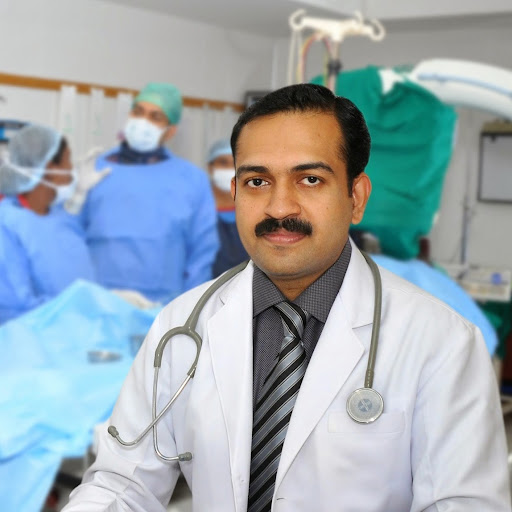
Dr.Sujay Renga
Dr. Sujay Renga is a Senior Interventional Cardiologist at NS Memorial Institute of Medical Sciences, a 500-bed multispecialty tertiary care centre in Kollam, Kerala. In addition he runs his own clinic at the heart of Kollam city. Dr. Renga holds an MD in Internal Medicine from Government Medical College, Thiruvananthapuram, and a DM in Cardiology from the Post Graduate Institute of Medical Education and Research (PGIMER), Chandigarh. He has also done postgraduate diploma in medico legal systems and quality in healthcare from Symbiosis university, Pune. He is a fellow of American College of Cardiology (FACC), European Society of Cardiology (FESC) and Scociety for Cadiovascular Angiography and Interventions (FSCAI).