Heart Care for People with Diabetes in Kollam: Tests, Targets, and Everyday Precautions
A practical guide for people living with diabetes in Kollam on how diabetes affects the heart, which cardiac tests are commonly recommended, how targets are set, and everyday steps to protect heart health.

Why diabetes matters for heart health
Diabetes increases the risk of heart disease because persistently elevated blood sugar, together with common coexisting problems such as high blood pressure and abnormal lipids, can accelerate damage to blood vessels and the heart. Over time this may raise the chance of coronary artery disease, irregular heart rhythms and reduced heart function. Understanding this connection helps patients and clinicians prioritise cardiovascular checks and preventive measures alongside glucose control.
Cardiac tests your cardiologist may recommend
When assessing heart risk in a person with diabetes, cardiologists often use a combination of clinical assessment and targeted tests. Common tests include ECG (resting electrocardiogram) to screen for electrical changes, echocardiogram (echo) to evaluate heart structure and function, ambulatory monitoring such as HOLTER or ambulatory blood pressure monitoring to detect intermittent rhythm problems or blood pressure patterns, and blood test packages to check cholesterol, kidney function and longer-term glucose control. The exact set of tests depends on symptoms, duration of diabetes and other health conditions.
What to expect at a consultation in Kollam
At an initial or review appointment, a cardiologist will review medical history, current medications and symptoms, perform a physical examination and suggest relevant tests. Services available at Dr. Sujay Renga’s clinic include OP consultations (new and review), ECG, echocardiogram, HOLTER monitoring, ambulatory blood pressure monitoring and blood test packages. Patients in Kollam commonly appreciate clear explanations and a calm, supportive approach during consultations, which helps them understand why particular tests or follow-ups are needed.
How sugar and blood pressure targets are set
Targets for blood sugar and blood pressure are personalised rather than one-size-fits-all. A cardiologist will consider factors such as age, the presence of other conditions (for example kidney disease), the type and duration of diabetes, and lifestyle when recommending goals. Rather than focusing on a universal number, discuss individual targets with your cardiologist and diabetes care team so goals match your overall health situation and treatment plan.
Daily precautions that protect the heart
Small, consistent habits make a big difference: take prescribed medications exactly as advised; monitor blood glucose and blood pressure regularly; avoid tobacco and limit alcohol; prioritise good sleep and stress management; and seek prompt care for new or worsening symptoms such as chest pain, breathlessness or sudden fainting. Foot care is also important—inspect feet daily, keep skin clean and moisturised, and report any sores or infections early, since infections and poor circulation can complicate diabetes management and overall health.
Diet and activity advice practical for Kollam residents
Aim for a balanced diet that emphasises vegetables, pulses, whole grains and lean proteins while limiting processed foods and added sugars. Use locally available fresh produce and fish where appropriate, and be mindful of portion sizes at rice-based meals. For physical activity, regular moderate movement—such as brisk walking, cycling or traditional activities suited to your fitness level—is beneficial. Always confirm an exercise plan with your clinician if you have heart symptoms or other medical concerns before increasing intensity.
When to follow up and where to find help
Regular follow-up with your cardiologist is important so that tests, treatment and goals can be reviewed and adjusted. Schedule reviews sooner if symptoms change or tests show new findings. In Kollam, Dr. Sujay’s Heart Care Clinic (Opposite Sankers Hospital) provides consultations and the diagnostic services noted above; clinic staff are frequently praised for being responsive and helpful. If you experience severe chest pain, sudden breathlessness, fainting or other emergency signs, seek immediate medical care.
Customer review


Article by
Dr.Sujay Renga
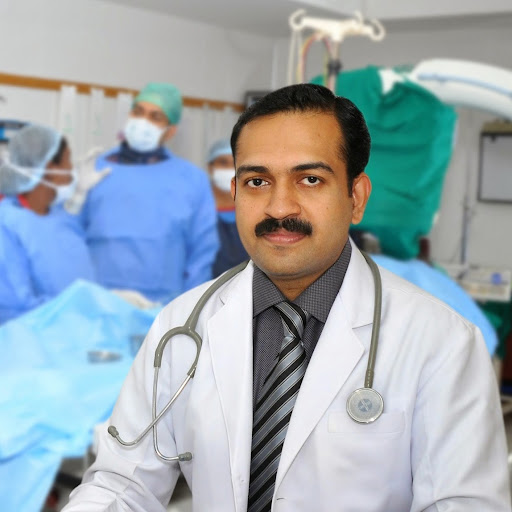
Dr. Sujay Renga is a Senior Interventional Cardiologist at NS Memorial Institute of Medical Sciences, a 500-bed multispecialty tertiary care centre in Kollam, Kerala. In addition he runs his own clinic at the heart of Kollam city. Dr. Renga holds an MD in Internal Medicine from Government Medical College, Thiruvananthapuram, and a DM in Cardiology from the Post Graduate Institute of Medical Education and Research (PGIMER), Chandigarh. He has also done postgraduate diploma in medico legal systems and quality in healthcare from Symbiosis university, Pune. He is a fellow of American College of Cardiology (FACC), European Society of Cardiology (FESC) and Scociety for Cadiovascular Angiography and Interventions (FSCAI).