Heart Check‑Ups After 40 in Kollam: What to Expect and How to Decide
A practical guide for adults in Kollam on when to begin heart screening after 40, which noninvasive tests are commonly used, how a cardiologist personalizes follow‑up, and what warning signs should prompt prompt evaluation.

Why heart health matters after 40
Turning 40 is a common milestone for rethinking cardiovascular health. Metabolic changes, lifestyle pressures, and long‑term exposures to elevated blood pressure or cholesterol can raise cardiovascular risk as people move into middle age. A proactive approach to screening helps detect silent problems early and gives your cardiologist a clear baseline for future care.
Who should start heart screening
Screening is helpful for all adults after 40, but it becomes especially important for people with one or more risk factors: a history of high blood pressure, diabetes, high cholesterol, smoking, a family history of heart disease, or a physically inactive lifestyle. Your primary care doctor or cardiologist can advise whether you need only basic checks or a more detailed cardiology evaluation based on these and other personal factors.
Common tests offered at a cardiology clinic
Noninvasive tests commonly used to assess heart health include an electrocardiogram (ECG) to evaluate heart rhythm, an echocardiogram (echo) to visualize heart structure and function, ambulatory monitoring such as HOLTER studies or ambulatory blood pressure monitoring to capture events during daily activity, and blood tests to check cholesterol and other markers. These are the services listed at the clinic in Kollam and form the backbone of routine cardiac assessments.
How a cardiologist tailors check‑ups
A cardiologist tailors screening by combining clinical examination, test results, and the patient’s overall risk profile. For someone with no symptoms and low risk, the cardiologist may recommend periodic review and targeted testing when indicated. For those with symptoms or higher risk, monitoring and additional investigations are arranged and management plans are individualized. The specialist’s role is to weigh symptoms, risk factors and test findings to determine the appropriate intensity and timing of follow‑up.
What symptoms or signs should prompt earlier evaluation
Seek prompt cardiology attention if you experience chest discomfort, unexplained shortness of breath, new or worsening palpitations, lightheadedness, fainting, or sudden swelling in the ankles. Persistent or progressive symptoms always merit earlier assessment rather than waiting for a scheduled check‑up. Likewise, poorly controlled blood pressure or new concerns from your primary care physician should trigger a cardiology review.
What patients can expect at the clinic
At a cardiology clinic you can expect a focused clinical examination, review of any prior records, and discussion of symptoms and lifestyle. Tests such as ECG, echo, HOLTER or ambulatory BP monitoring are arranged when indicated. Local patients report that attentive communication, clear explanations and coordinated staff support help make the visit efficient and reassuring—factors that many people find important when addressing cardiac concerns.
Preparing for a heart check‑up in Kollam
Before your appointment, collect recent medical records, a list of current medications, and any previous test reports. Note down symptoms, family history and lifestyle habits you want to discuss. If blood tests are planned, the clinic will advise whether fasting is needed. Arrive a little early to complete administrative steps so clinical time is used for assessment and planning.
After the check‑up: follow‑up and lifestyle focus
Follow‑up is based on findings and may include lifestyle recommendations, medication adjustments, or further monitoring with noninvasive tests. Practical measures—managing blood pressure, following a heart‑healthy diet, maintaining activity appropriate for your health, and keeping scheduled follow‑ups—are central to reducing long‑term risk. For residents of Kollam who want a cardiology opinion or ongoing heart care, an experienced cardiologist and responsive clinic staff can help build a clear, individualized plan.
Article by
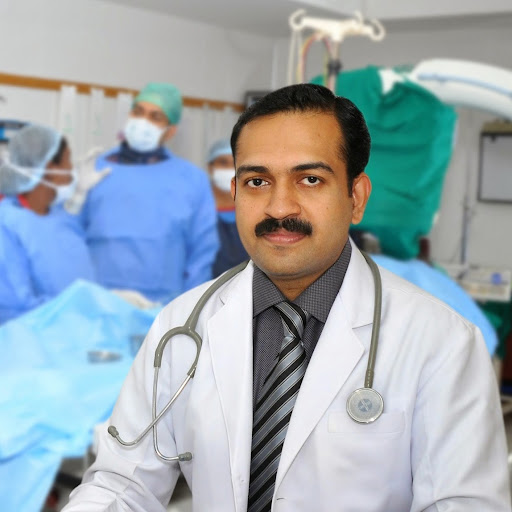
Dr.Sujay Renga
Dr. Sujay Renga is a Senior Interventional Cardiologist at NS Memorial Institute of Medical Sciences, a 500-bed multispecialty tertiary care centre in Kollam, Kerala. In addition he runs his own clinic at the heart of Kollam city. Dr. Renga holds an MD in Internal Medicine from Government Medical College, Thiruvananthapuram, and a DM in Cardiology from the Post Graduate Institute of Medical Education and Research (PGIMER), Chandigarh. He has also done postgraduate diploma in medico legal systems and quality in healthcare from Symbiosis university, Pune. He is a fellow of American College of Cardiology (FACC), European Society of Cardiology (FESC) and Scociety for Cadiovascular Angiography and Interventions (FSCAI).