Living with High Blood Pressure in Kollam: Practical Daily Habits, Diet Tips, and When to Recheck with Your Cardiologist
Practical, locally relevant guidance for people with hypertension in Kollam — daily routines, sensible diet tips, how and when to monitor blood pressure at home, and clear signals for scheduling a clinic recheck.
Why a local, practical plan matters
High blood pressure (hypertension) is a common, long‑term condition that responds well to steady daily habits. If you live in Kollam and are managing hypertension, combining regular monitoring, sensible diet choices, physical activity, and timely clinic visits can keep your readings within safer ranges and reduce complications. This article outlines everyday steps you can take and when to see your cardiologist for adjustments or further testing.
Understanding blood pressure numbers in plain terms
Blood pressure is reported as two numbers: systolic (top) and diastolic (bottom). While individual targets vary, your cardiologist will set a goal based on your age, other conditions, and medicines. Small day‑to‑day fluctuations are normal; consistent elevations above your target deserve attention. Use your cardiologist’s target as the guide for when to act, rather than comparing to general population averages.
Daily habits that help keep BP steady
Daily routines make the biggest difference over time. Aim for consistent sleep, avoid tobacco, limit alcohol, and manage stress through simple practices like short walks, breathing breaks, or relaxation exercises. Regular moderate physical activity — for example brisk walking most days — supports heart health. If you are on medication, take it at the same time each day and keep a list of medicines and doses to share at appointments.
Diet tips that are realistic for Kollam residents
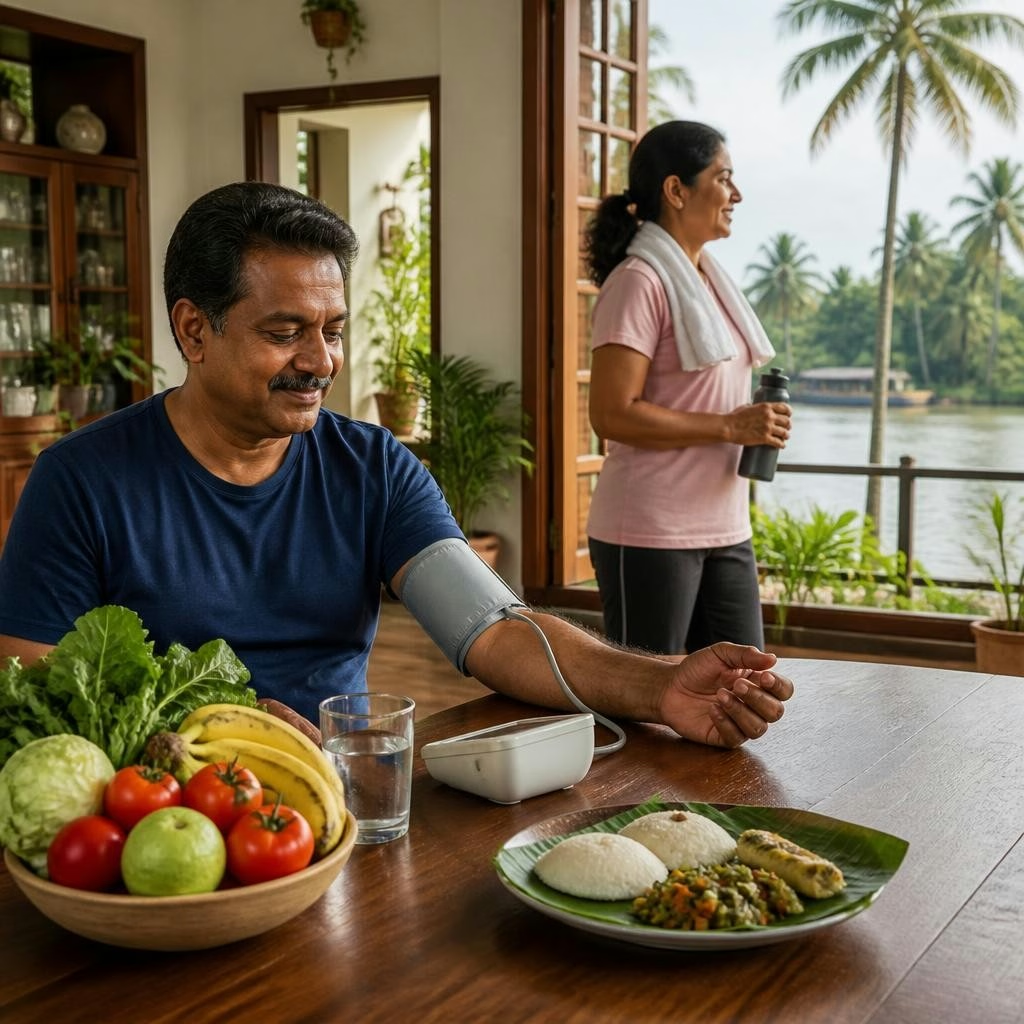
Dietary changes do not require drastic measures. Reduce added salt by cooking with less salt, rinsing canned foods, and cutting back on high‑salt snacks and pickles. Choose fresh vegetables, fruit, whole grains and lean protein where possible; avoid heavily processed or packaged foods that often contain hidden sodium. If you use traditional flavourings, try herbs, lemon, or coconut in moderation to enhance taste without extra salt. Small, consistent improvements are more sustainable than short‑term strict diets.
How and when to monitor blood pressure at home
Home monitoring gives a clearer picture of your typical blood pressure than occasional clinic readings. Use a validated upper‑arm cuff, measure at the same times each day (commonly morning before medicines and evening), sit quietly for five minutes beforehand, and record two readings one minute apart. Share these logs with your cardiologist. If you are starting or changing medication, daily home checks for the first week or two are often helpful; once stable, many patients check several times per week or as advised by their doctor.
When to recheck with your cardiologist or seek urgent care
Contact your cardiologist for a clinic visit if home readings stay consistently above your target, if you experience troubling symptoms such as chest pain, shortness of breath, fainting, or sudden severe headache, or if you need medication adjustments. During periods of medication change, new symptoms, or other health problems, earlier follow‑up (for example within days to a few weeks) is appropriate. For sudden, severe symptoms suggestive of a cardiac emergency, seek urgent care immediately.
How Dr. Sujay Renga’s clinic supports people with high BP in Kollam
For residents of Kollam seeking local cardiology support, Dr. Sujay Renga’s clinic offers outpatient consultations and blood pressure‑focused services such as ambulatory BP monitoring, ECG, Holter monitoring, echocardiography and blood test packages that can help evaluate and track cardiovascular risk. Patients frequently report that the clinic’s staff are responsive and that the doctor listens carefully and explains management plans clearly. Bring your home BP log, medication list, and any questions to your appointment to make the visit most productive.
Customer review


Article by
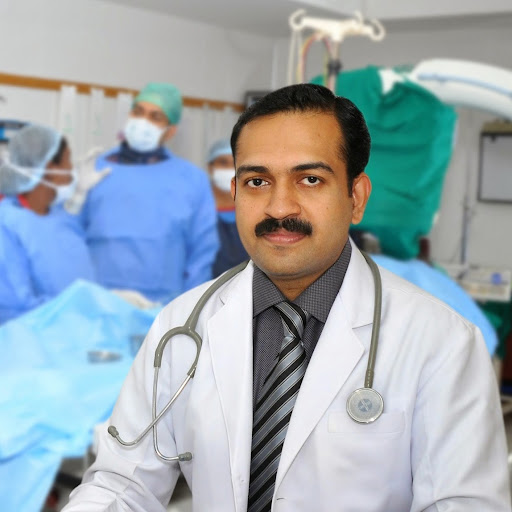
Dr.Sujay Renga
Dr. Sujay Renga is a Senior Interventional Cardiologist at NS Memorial Institute of Medical Sciences, a 500-bed multispecialty tertiary care centre in Kollam, Kerala. In addition he runs his own clinic at the heart of Kollam city. Dr. Renga holds an MD in Internal Medicine from Government Medical College, Thiruvananthapuram, and a DM in Cardiology from the Post Graduate Institute of Medical Education and Research (PGIMER), Chandigarh. He has also done postgraduate diploma in medico legal systems and quality in healthcare from Symbiosis university, Pune. He is a fellow of American College of Cardiology (FACC), European Society of Cardiology (FESC) and Scociety for Cadiovascular Angiography and Interventions (FSCAI).