Managing Heart Disease in the Family: Practical Ways Relatives in Kollam Can Help
Practical, step-by-step guidance for family members caring for someone with heart disease — from preparing for consultations and tracking medications to recognising warning signs and communicating with the cardiology team at a local clinic in Kollam.
Why family support matters
Caring for a relative with heart disease is often a team effort. Family members who are informed and organised can help improve adherence to treatment plans, ensure timely follow-up, and reduce anxiety for the patient. In Kollam, patients at Dr. Sujay Renga’s Heart Care Clinic and similar cardiology practices frequently note that compassionate, clear communication from the care team combined with family involvement makes consultations less stressful and more productive.
Preparing for consultations
When you accompany a loved one to a cardiology appointment, preparation makes the visit more efficient. Gather recent test reports (ECG, echocardiogram, Holter monitor reports, blood tests), a list of current medicines with dosages, and a brief timeline of symptoms or events to share. Write down questions in advance — for example, about symptoms to watch for, medication side effects, or the need for specific tests such as ambulatory blood pressure monitoring. Bringing both paper copies and digital photographs of reports helps if additional copies are needed.
Keeping track of medications and results
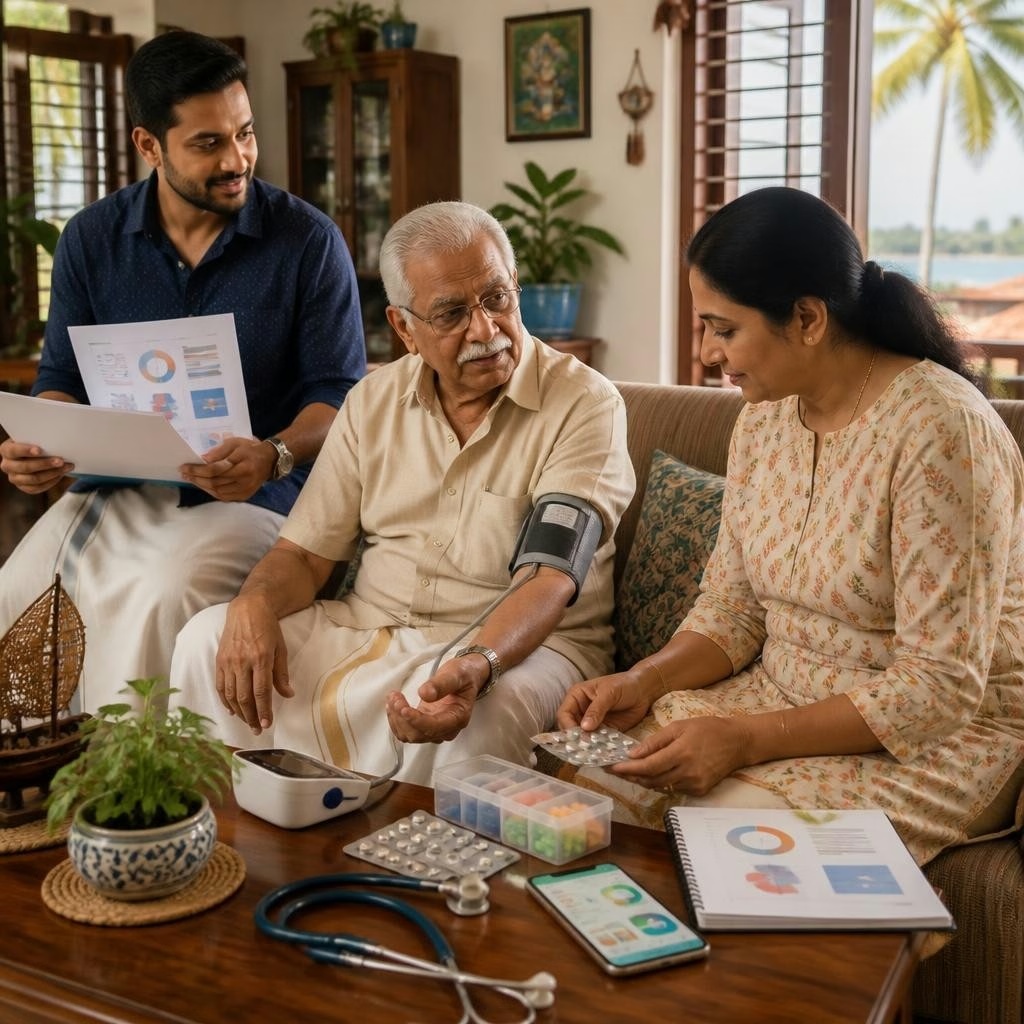
Establish a simple system so medications and test results are easy to review. Use a single medication list that includes drug name, dose, frequency, and the prescribing date; consider a pillbox or daily checklist to reduce missed doses. Keep a dated folder or a phone photo album for blood pressure logs, lab results, and imaging reports. If your relative uses home blood pressure measurements, note the device model and record readings with date and time — this makes trends easier for the cardiologist to interpret.
Recognising danger signs and acting quickly
Know the signs that require urgent attention: new or worsening chest pain, severe shortness of breath, fainting or near‑fainting, sudden weakness or numbness, and confusion. If any of these occur, seek immediate medical help through emergency services and inform the receiving clinicians about the patient’s known heart condition and current medications (including blood thinners). After stabilisation, share details and any emergency reports with the cardiology team so they can adjust the care plan as needed.
Communicating effectively with the cardiology team
Clear, concise communication helps clinicians make timely decisions. When meeting the cardiologist, summarise key points: recent symptoms, medication adherence, home measurements, and recent test results. Ask for clarification on next steps, expected timelines for investigations, and red flags to monitor at home. Many families appreciate when doctors and staff take time to explain findings and provide reassurance; a recent patient review highlighted how accurate diagnosis and compassionate guidance helped their family feel confident during a difficult time, which illustrates the value of open dialogue between families and clinicians.
Supporting daily life and long‑term care
Family members play an important role in day‑to‑day risk reduction: helping with medication schedules, supporting heart‑healthy eating, encouraging safe physical activity as advised by the cardiologist, and reducing tobacco and excess alcohol exposure in the home. Emotional support is also crucial; practical tasks such as arranging transport for appointments, accompanying the patient to tests, or helping maintain appointment and test schedules reduce stress and help the clinical team focus on medical management.
Local resources and practical next steps in Kollam
For families in Kollam, consider keeping the contact details and location of the patient’s cardiology clinic handy — for example, Dr. Sujay’s Heart Care Clinic, Opposite Sankers Hospital, Kollam — along with copies of key tests and the medication list. The clinic offers diagnostic services commonly used in heart care such as ECG, echocardiogram, Holter monitoring and ambulatory blood pressure monitoring, which can be helpful when the cardiologist requests further evaluation. If you are unsure about symptoms or follow-up timing, contact your cardiology team for guidance and bring organised records to each visit to make appointments more effective.
Customer review


Article by
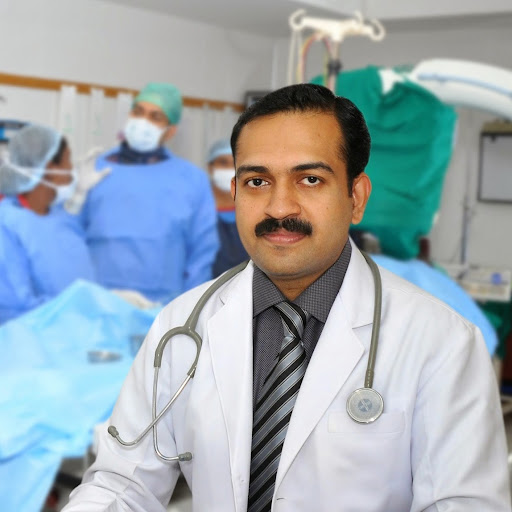
Dr.Sujay Renga
Dr. Sujay Renga is a Senior Interventional Cardiologist at NS Memorial Institute of Medical Sciences, a 500-bed multispecialty tertiary care centre in Kollam, Kerala. In addition he runs his own clinic at the heart of Kollam city. Dr. Renga holds an MD in Internal Medicine from Government Medical College, Thiruvananthapuram, and a DM in Cardiology from the Post Graduate Institute of Medical Education and Research (PGIMER), Chandigarh. He has also done postgraduate diploma in medico legal systems and quality in healthcare from Symbiosis university, Pune. He is a fellow of American College of Cardiology (FACC), European Society of Cardiology (FESC) and Scociety for Cadiovascular Angiography and Interventions (FSCAI).