Preparing for Your First Cardiology OP Consultation in Kollam: A Practical Checklist for Patients and Families
A concise, practical checklist of records, medications, questions and visit tips to help you get the most from a first outpatient cardiology consultation at Dr. Sujay Renga’s clinic in Kollam.
What this guide covers and where to go
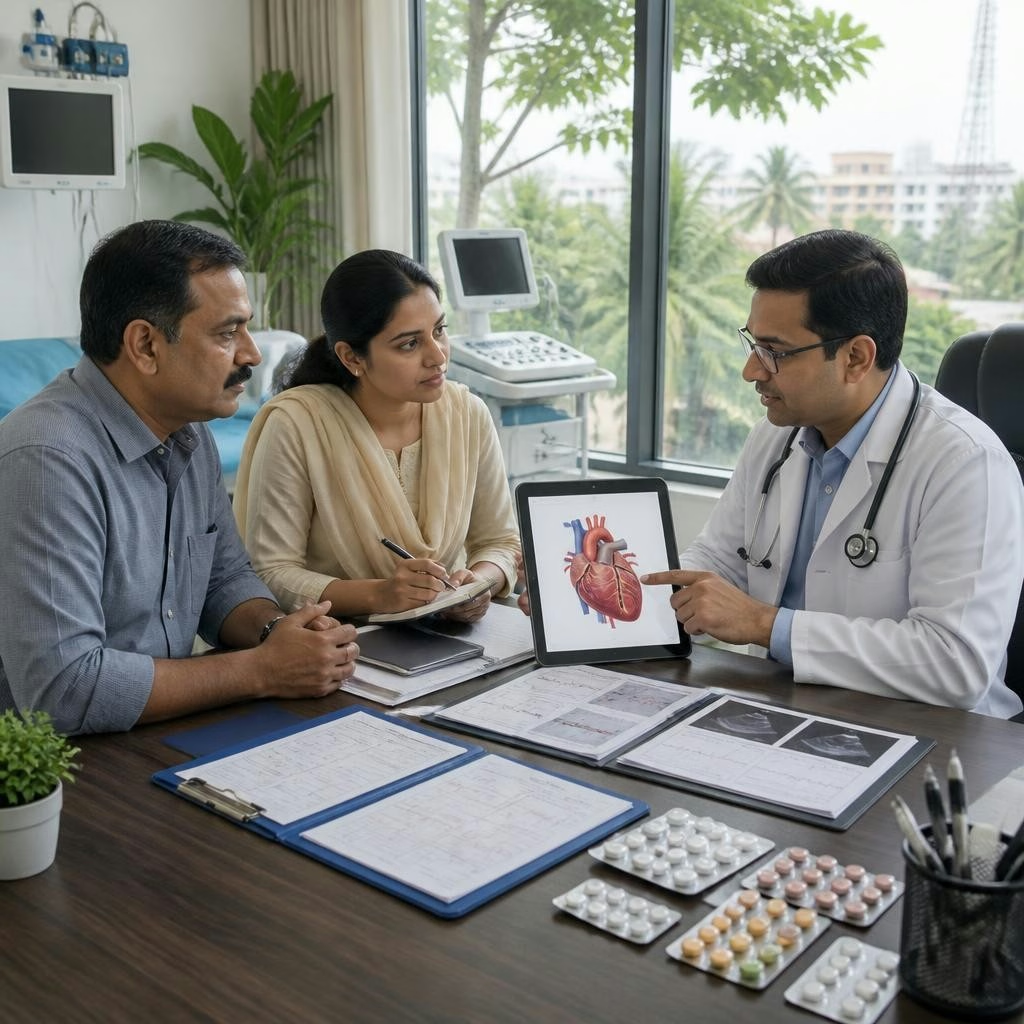
This article helps patients and family members prepare for a first outpatient (OP) cardiology consultation at Dr. Sujay Renga’s Heart Care Clinic in Kollam (Opp. Sankers Hospital). It outlines the documents and information to bring, how to present symptoms, what tests are commonly relevant, and practical tips to make the appointment efficient and productive. Many patients note the clinic’s professional, attentive approach and helpful staff, so arriving prepared helps the team focus on accurate assessment and clear next steps.
Essential documents and prior medical records
Bring government photo ID and any referral or note from your primary doctor. If available, gather previous cardiac records: ECG tracings/reports, echocardiogram reports, Holter monitor reports, recent blood-test results, and discharge summaries from hospital admissions. Even older reports can provide useful trends. Also bring copies of recent outpatient or specialist letters. If you do not have printed copies, ask whether digital records can be shared in advance or bring screenshots on your phone.
Medications, allergies and dosing details
Compile a complete list of everything you take: prescription medicines, over-the-counter drugs, supplements and herbal remedies. Note exact names, doses, how often you take them, and the time of day. Bring the original medication containers if possible. Clearly list any drug allergies and adverse reactions you have experienced. Providing accurate medication information helps the doctor assess interactions, cardiovascular effects and the need for adjustments.
Describe symptoms clearly: timeline and triggers
Prepare a brief, chronological summary of your symptoms: when they started, how often they occur, how long each episode lasts, what seems to trigger or relieve them, and how severe they are on a typical day. Note associated symptoms such as shortness of breath, dizziness, palpitations, chest discomfort, fainting or swelling. Mention how symptoms affect daily activities. A concise timeline makes it easier for the clinician to prioritise questions and reach an accurate assessment.
Relevant tests and monitoring to bring or expect
If you have recent cardiac tests, bring copies: ECG, echocardiogram and Holter reports are especially helpful and are services routinely used at cardiology clinics. If you don’t have recent tests, the cardiologist may recommend them after evaluation; common options include ECG, echocardiography, ambulatory blood-pressure monitoring and ambulatory rhythm monitoring (Holter). Basic blood tests may also be advised. Ask about fasting requirements or appointment timing for tests when you schedule your visit.
How to use the appointment time effectively
Appointments run most smoothly when patients present a focused history and key documents. Prioritise your top 2–3 concerns and bring a written list of questions. If possible, attend with a family member or caregiver who can help recall details and take notes. Be open about lifestyle factors—sleep, diet, exercise, alcohol and tobacco use—and about nonprescription supplements. Don’t hesitate to ask for clarification of medical terms and for a clear follow-up plan; many patients find the clinic’s communication reassuring and detailed.
After the consultation: follow-up and practical next steps
Before you leave, confirm any recommended tests, the timeline for results, medication changes and follow-up appointments. Request written instructions or a prescription list to take to your pharmacy. Keep a copy of any test orders and ask who to contact with questions. If symptoms worsen or you experience new, severe signs (for example, severe chest pain, fainting or marked breathlessness), follow local emergency advice promptly. Being prepared and organised helps the care team at Dr. Sujay Renga’s clinic focus on diagnosis and an appropriate plan for ongoing cardiac care in Kollam.
Article by
Dr.Sujay Renga
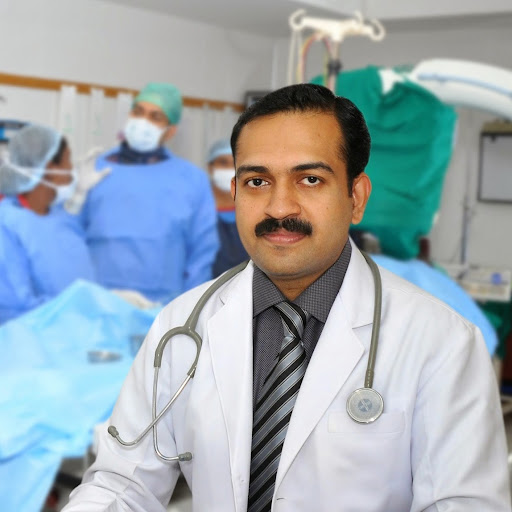
Dr. Sujay Renga is a Senior Interventional Cardiologist at NS Memorial Institute of Medical Sciences, a 500-bed multispecialty tertiary care centre in Kollam, Kerala. In addition he runs his own clinic at the heart of Kollam city. Dr. Renga holds an MD in Internal Medicine from Government Medical College, Thiruvananthapuram, and a DM in Cardiology from the Post Graduate Institute of Medical Education and Research (PGIMER), Chandigarh. He has also done postgraduate diploma in medico legal systems and quality in healthcare from Symbiosis university, Pune. He is a fellow of American College of Cardiology (FACC), European Society of Cardiology (FESC) and Scociety for Cadiovascular Angiography and Interventions (FSCAI).