Recovering After a Cardiac Procedure in Kollam: Practical Follow‑Up, Medicines, and Activity Guidance
A clear, practical guide for patients returning home after angioplasty or other cardiac procedures—covering early recovery steps, medication routines, wound care, safe activity progression, follow‑up tests at the clinic, and warning signs that need urgent attention.
Why a clear recovery plan matters
Coming home after an angioplasty or other cardiac procedure is a key step in healing. A simple, consistent plan helps reduce complications, control symptoms, and build confidence as you return to normal life. This article explains practical steps most patients should follow in the days and weeks after discharge, and points to the routine tests and follow‑up services commonly used at cardiology clinics in Kollam, including outpatient consultations, ECG, echocardiogram, Holter monitoring and blood tests.
First 48 hours at home: what to expect
Rest is important in the immediate post‑procedure period. Expect some tiredness, mild soreness at the access site, and short periods of discomfort. Follow your discharge instructions exactly: avoid heavy lifting, get plenty of sleep, and keep pain controlled with the medicines prescribed. If you were given written discharge instructions from the hospital or Dr. Sujay Renga’s clinic, keep them handy and follow the timing for medicines and any activity restrictions they list.
Taking medicines safely and reliably
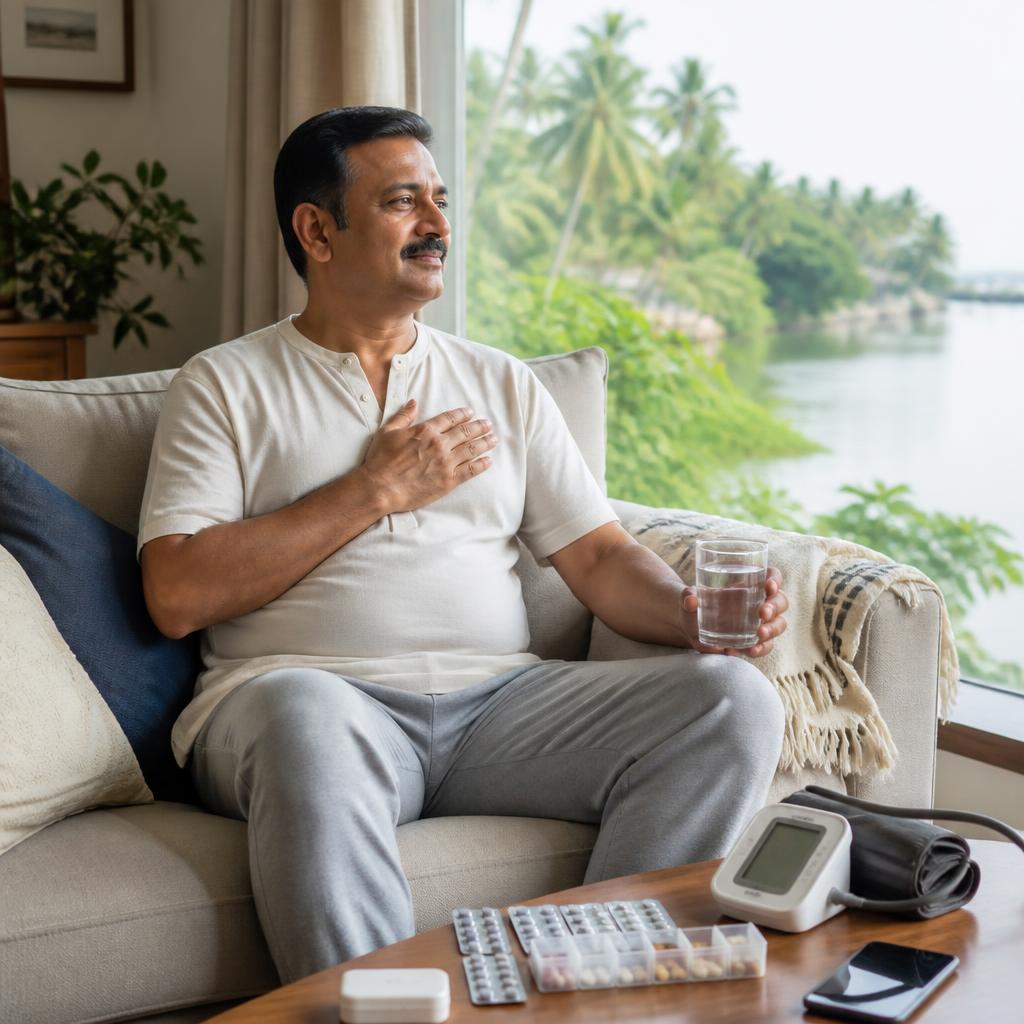
Medication adherence is one of the most important parts of recovery. Always take medicines exactly as prescribed—do not stop antiplatelet, blood‑pressure, or cholesterol medications unless your cardiologist instructs you. Use a daily pillbox or set phone alarms to avoid missed doses. When you see your cardiologist for follow‑up, bring a list of all medicines (including over‑the‑counter drugs and supplements) so doses can be reviewed and adjusted if needed. If you have concerns about side effects, contact the clinic before changing anything.
Wound and access site care
Keep the access site (groin or wrist) clean and dry for the time recommended by your care team. Avoid soaking the area in a bath until it is healed; showers are typically allowed once the dressing is removed and the site is dry. Watch for increased pain, new swelling, active bleeding, or pus‑like discharge—these can signal a problem. If dressings are soiled or loose, follow the clinic’s guidance for changing them or come in for a check.
Gradual return to activity and exercise
Activity should increase gradually. Short walks several times a day help circulation and recovery; avoid strenuous exercise, heavy lifting, or tasks that strain the chest for the period advised by your cardiologist. Your doctor will give personalized guidance based on your procedure and overall health. For many patients, a supervised cardiac rehabilitation program or a stepwise home exercise plan is recommended—ask at your follow‑up visit about options available locally in Kollam.
Follow‑up appointments and common tests
Planned follow‑up visits let your cardiologist check healing, review medicines, and order tests such as ECGs, echocardiograms, Holter monitoring, or blood tests when needed. Dr. Sujay Renga’s clinic provides outpatient consultations and many of these diagnostic services; bring any test results you received at discharge and your current medicine list. Timely follow‑up helps detect problems early and gives an opportunity to discuss lifestyle changes, BP monitoring, and long‑term prevention.
When to contact your cardiologist or seek urgent care
Contact your cardiologist or come to the emergency department if you experience: sudden chest pain or pressure, new shortness of breath, fainting or near‑fainting, uncontrolled bleeding from the access site, high fever, or signs of infection around the wound (increasing redness, swelling, warmth, or pus). Also report sudden irregular heartbeat, persistent dizziness, or repeated vomiting. If you are unsure, it is better to call the clinic for guidance—staff can help triage symptoms and recommend next steps.
Support from the clinic and final reminders
Recovery is easier when you have clear instructions and a responsive care team. Many patients who come to Dr. Sujay Renga’s Heart Care Clinic note that the staff take time to explain next steps and handle follow‑up efficiently, which helps build confidence after a procedure. Keep a record of your medicines, appointments, and any troubling symptoms. Attend scheduled reviews, use local diagnostic services when asked, and reach out early if something feels off—timely communication keeps recovery on track.
Article by
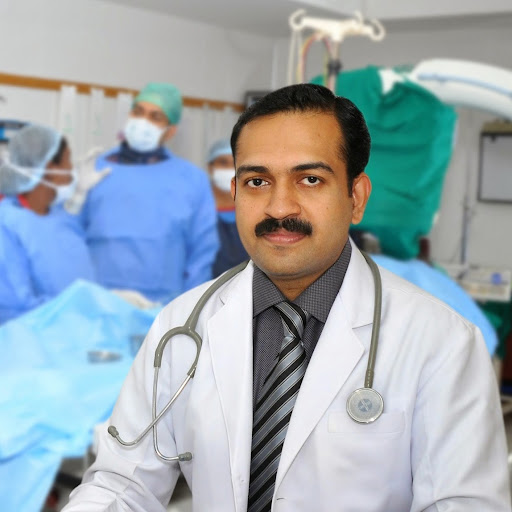
Dr.Sujay Renga
Dr. Sujay Renga is a Senior Interventional Cardiologist at NS Memorial Institute of Medical Sciences, a 500-bed multispecialty tertiary care centre in Kollam, Kerala. In addition he runs his own clinic at the heart of Kollam city. Dr. Renga holds an MD in Internal Medicine from Government Medical College, Thiruvananthapuram, and a DM in Cardiology from the Post Graduate Institute of Medical Education and Research (PGIMER), Chandigarh. He has also done postgraduate diploma in medico legal systems and quality in healthcare from Symbiosis university, Pune. He is a fellow of American College of Cardiology (FACC), European Society of Cardiology (FESC) and Scociety for Cadiovascular Angiography and Interventions (FSCAI).