Shortness of Breath and Fatigue: When to Consider a Heart Cause — Advice from a Kollam Cardiologist
A practical guide from Dr. Sujay Renga’s clinic in Kollam on when breathlessness, leg swelling or tiredness might indicate heart-related problems, what basic tests a cardiology clinic will usually perform first, and which symptoms need urgent hospital care.

Why these symptoms matter
Shortness of breath, persistent fatigue and swelling of the legs are common complaints that can arise from many causes. Sometimes they point to a cardiac condition — such as heart failure, valve disease or an abnormal heart rhythm — but they can also result from lung problems, anemia, metabolic issues or deconditioning. The goal of an initial cardiology assessment is to determine whether the heart is a likely cause and, if so, to identify the next appropriate tests or treatments.
Heart-related signs to watch for
Signs that make a heart cause more likely include breathlessness that worsens with exertion, shortness of breath when lying flat (orthopnea), waking at night short of breath, rapid or irregular heartbeat, reduced ability to do usual activities, and persistent swelling of both lower legs. A gradual, unexplained drop in exercise tolerance or a pattern of repeated visits for breathlessness are also reasons to seek a cardiology opinion.
Common heart conditions that produce these symptoms
Several cardiac problems can lead to breathlessness and fatigue. Heart failure (reduced pump function), significant valve disorders (that alter blood flow through the heart) and arrhythmias (fast, slow or irregular heartbeats) are among the typical culprits. Your cardiologist will consider medical history, medication use and other health factors before narrowing down the possibilities.
Basic tests you can expect at a local cardiology clinic
At a first consultation at a clinic such as Dr. Sujay’s Heart Care Clinic in Kollam, the cardiologist will usually perform an office evaluation and some frontline tests: a resting ECG to check heart rhythm, an echocardiogram (echo) to evaluate heart structure and valve function, ambulatory monitoring such as a Holter if intermittent arrhythmia is suspected, ambulatory blood-pressure monitoring where needed, and routine blood tests to look for contributing factors. These tests help decide whether further hospital-based investigations or treatments are required.
What a typical first visit looks like
A new outpatient consultation generally begins with a focused history and physical examination, followed by immediate or scheduled tests as indicated. Patients at Dr. Sujay’s clinic report that the doctor takes time to listen and explains findings clearly, and that staff guide patients through the process — helping to make the visit straightforward and reassuring. Bring a list of current medicines and any previous reports or test results to speed up assessment.
When to seek immediate hospital care
Some situations require urgent attention: sudden severe breathlessness at rest, chest pain or pressure, fainting or near-fainting spells, bluish lips or face, difficulty speaking, or a very rapid or very slow heartbeat. Rapid, unexplained swelling with sudden weight gain or difficulty breathing while lying down also warrants urgent evaluation. In these cases, proceed to the nearest emergency department rather than waiting for a routine clinic appointment.
If further treatment or procedures are needed
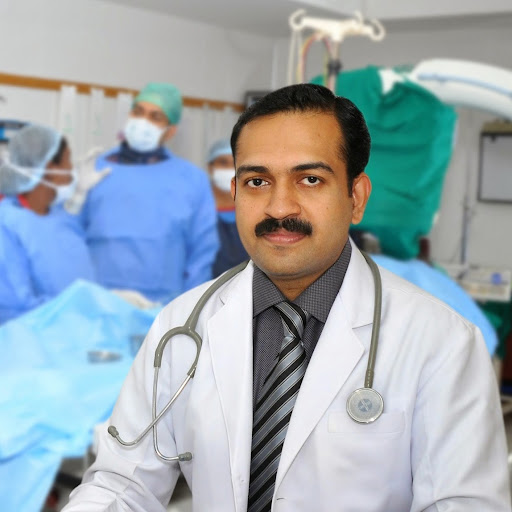
If clinic tests suggest a serious cardiac problem, the next steps may include more advanced imaging, specialised monitoring, or referral for hospital-level care. Dr. Sujay Renga is a Senior Interventional Cardiologist associated with a large multispecialty centre in Kollam, so hospital-based investigations and treatments are available when required. Your cardiologist will discuss options, risks and likely timelines before any referral or procedure.
Practical next steps for people in Kollam
If you are experiencing persistent breathlessness, repeated fatigue or leg swelling, book an outpatient consultation at Dr. Sujay’s Heart Care Clinic (Opp. Sankers Hospital, Kollam). Prepare for the visit by noting symptom patterns, medication names and recent weight changes, and bring any prior ECGs or imaging. For immediate or severe symptoms, go to the nearest emergency department. Local patients consistently highlight clear explanations and supportive staff at the clinic, which can make evaluation and follow-up easier to navigate.
Customer review


Article by
Dr.Sujay Renga
Dr. Sujay Renga is a Senior Interventional Cardiologist at NS Memorial Institute of Medical Sciences, a 500-bed multispecialty tertiary care centre in Kollam, Kerala. In addition he runs his own clinic at the heart of Kollam city. Dr. Renga holds an MD in Internal Medicine from Government Medical College, Thiruvananthapuram, and a DM in Cardiology from the Post Graduate Institute of Medical Education and Research (PGIMER), Chandigarh. He has also done postgraduate diploma in medico legal systems and quality in healthcare from Symbiosis university, Pune. He is a fellow of American College of Cardiology (FACC), European Society of Cardiology (FESC) and Scociety for Cadiovascular Angiography and Interventions (FSCAI).