How Multi‑Tier Racking Helps Dubai SMEs Delay Costly Warehouse Relocation
Practical guide for Dubai small and medium businesses on using multi‑tier racking and rack‑supported mezzanines to increase storage capacity, improve workflows, and buy time before moving to a larger facility.
Why relocation is often the expensive option
For many Dubai SMEs, the first instinct when storage runs short is to look for a bigger warehouse or move to a new location. But relocation brings a cascade of costs beyond higher rent — downtime, moving labour, potential rental deposits, longer travel times for staff or trucks, and disruption to inventory control. When your business is growing steadily rather than exploding overnight, investing in more efficient use of your existing footprint can be a smarter, lower‑risk choice.
What multi‑tier racking and rack‑supported mezzanines are
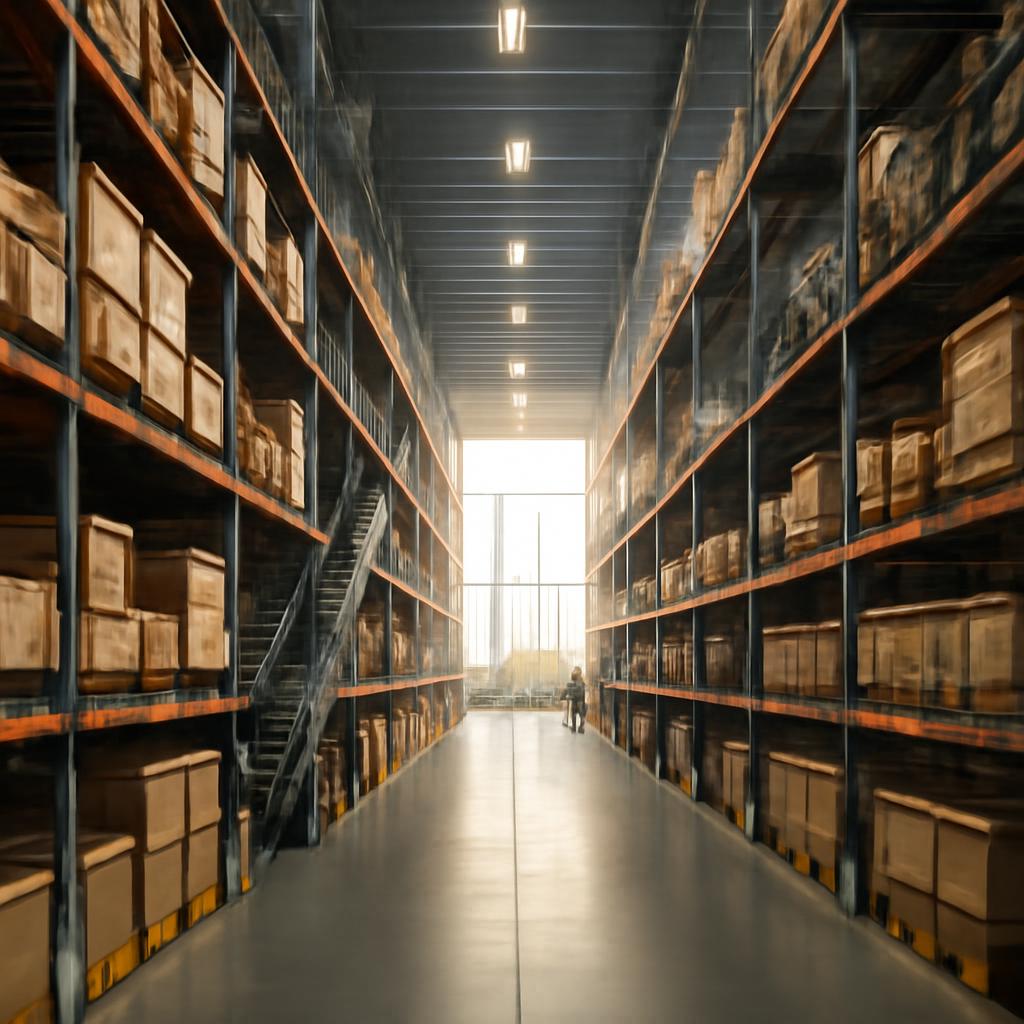
Multi‑tier racking stacks usable storage levels vertically, creating walkways and pallet or shelving levels on multiple floors inside the same building volume. Rack‑supported mezzanines use the racking frames themselves to carry an upper floor, which can double or triple storage area without expanding the building footprint. Both approaches unlock vertical space that would otherwise go unused in warehouses and stockrooms.
How vertical solutions delay relocation
By creating extra floors or rack levels, multi‑tier systems increase capacity within the same footprint. This can allow an SME to meet seasonal peaks, add inventory for new product lines, or improve stock organisation without jumping to a larger lease. In practical terms, vertical solutions often convert high ceilings into productive square metres — delaying the need to renegotiate leases or commit to longer, costlier moves.
Common configurations that work for Dubai SMEs
Options range from light‑duty multi‑tier shelving for parts and small items to full pallet‑level multi‑tiers for palletised goods. Rack‑supported mezzanines suit operations that need walk‑up storage, packing areas, or light assembly on an upper level. Mobile shelving and bolt‑free systems are alternatives where quick reconfiguration or high density for boxes and small items is the priority. Choosing the right configuration depends on load types, handling equipment, and picking patterns.
Operational benefits beyond just more space
Multi‑tier systems can improve inventory organisation, reduce travel time between picks, and create dedicated zones (receiving, picking, returns) on different levels. With proper layout, you can separate slow‑moving bulk stock from high‑turn SKUs, or create secure areas for high‑value items using mesh partitions or metal cages. These improvements often raise throughput and accuracy, so you get both more space and better daily performance.
Design considerations: safety, access and workflows
Before installing a multi‑tier or mezzanine, think about clearances, point loads on the floor, fire escape routes, and how people and equipment will move between levels. Staircases, warehouse stair access, and cargo lifts are common additions to support safe, efficient access to upper tiers. Decking type (wire mesh, solid panels) affects airflow, visibility, and load support. Safety barriers and pallet support bars protect staff and goods and should be part of the plan from day one.
Compliance and safety in Dubai warehouses
Local building rules, fire codes and insurance requirements can affect mezzanine design and allowable uses. While the specifics depend on your building and authority approvals, planning with safety in mind — including handrails, anti‑fall measures, clear signage, and rated staircases — prevents costly retrofits later. Work with a supplier familiar with UAE industrial environments so your installation meets practical safety expectations.
How these systems fit into day‑to‑day operations
To get the most value, align racking tiers with your picking and stocking methods. Use the ground floor for heavy, frequently moved pallets; place lighter or slow‑moving stock on upper levels. Consider where packing tables or returns processing should sit to avoid unnecessary vertical traffic. If you use forklifts, plan aisle widths and access; for manual picking, design stair and walkway placement to keep foot traffic safe and efficient.
Questions to ask a racking supplier
When evaluating suppliers, ask about the types of multi‑tier and mezzanine systems they supply (pallet‑level tiers, bolt‑free shelving, rack‑supported mezzanines), available decking and stair options, cargo lift integration, and safety accessories like mesh partitions and barriers. Also discuss installation logistics, lead times, warranty on components, and whether they can assess your current layout to propose a phased plan that minimises downtime.
Next steps for Dubai SMEs looking to expand vertically
Start by measuring your current usable height and mapping typical inventory dimensions and turnover rates. A specialist supplier can then propose layouts that maximise vertical space while matching your operational needs — for example adding multi‑tier racks for picking and a rack‑supported mezzanine for overflow pallet storage or packing. For businesses in Dubai and the UAE, choosing systems like mezzanine floors, warehouse staircases, cargo lifts, and appropriate decking can be a practical, cost‑effective way to defer relocation while improving storage efficiency.
Article by
FCSI Racking
FCSI Racking is Trusted Racking and Shelving Company in Dubai. We provide top Racking and shelving Solutions in Dubai. Our services include heavy-duty racking systems, medium and light-duty racking, specialized racking systems, multi-level storage, adjustable shelving, mobile shelving and secure storage options. We provide dependable and practical Racking and shelving solutions for your commercial and industrial needs. Contact us today for the best racking and shelving solutions in Dubai! Let us help you make the most of your space with practical and reliable storage systems.