Practical Cantilever Racking Solutions for Pipes, Timber, and Panels in the UAE
Tips and practical guidance for contractors, metal fabricators, and building suppliers in Dubai and across the UAE on choosing, installing, and using cantilever racking to store long, heavy items safely and access them quickly.
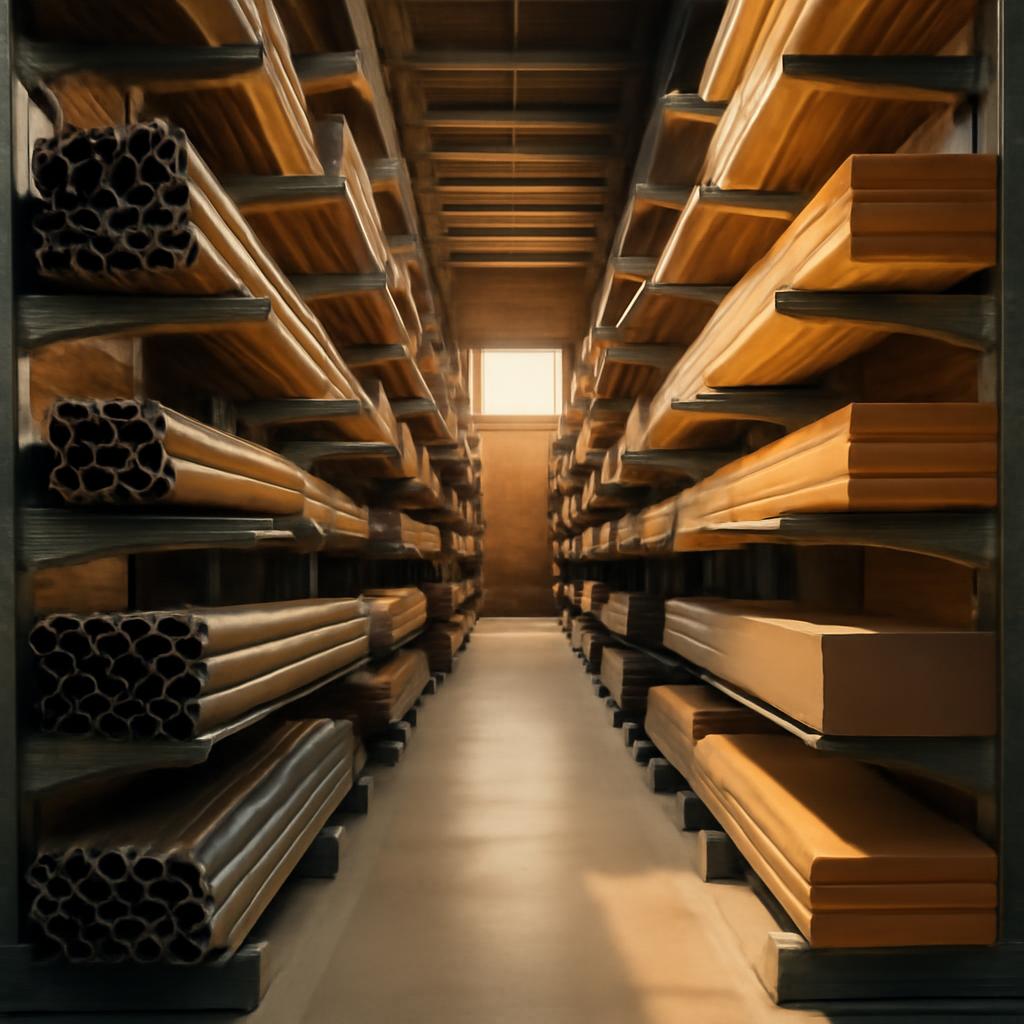
Why cantilever racking works for long loads
Cantilever racking is designed for items that are too long or awkward for standard pallet racks — think pipes, timber lengths, steel bars and sheet panels. Unlike pallet systems that rely on front-facing beams, cantilever arms create open storage without vertical obstructions along the load length. That makes loading and unloading faster and reduces damage from improper handling. For many workshops, distribution yards and material suppliers in Dubai and the wider UAE, this translates into easier stock rotation and better use of vertical space.
Main components and configuration choices
A typical cantilever setup includes upright columns, horizontal arms, bases and bracing. You can select single-sided units (useful against a wall) or double-sided units (island storage with access from both sides). Arm length, arm spacing and the height of uprights are the core variables to match to your stock. Be sure to choose arms and uprights rated for the type of loads you expect — long lightweight timber behaves differently from heavy steel pipe.
Matching rack specs to pipes, timber and panels
Consider three key characteristics of your stock: length, weight per metre and stiffness. Long, flexible loads like thin aluminium profiles need more arm support and closer spacing than stiff steel sections. Heavy items need stronger arms and uprights, and may require additional mid-span supports or load bearers to prevent sag. For sheet panels or flat boards, vertical supports or leaning stops help keep loads stable and protected from scratching or warping during storage.
Layout and access planning for quick retrieval
Plan aisle widths so the handling equipment you use can safely manoeuvre and handle long loads. If you pick frequently from one face, a single-sided rack by a loading wall can be efficient; if you need access from both sides, double-sided runs make better use of floor space. Position heavier, slower-moving stock at lower levels and lighter, frequently picked items at waist height to reduce manual handling and speed up loading cycles.
Handling equipment and safe loading practices
Cantilever racking works with a range of equipment — forklifts with extended forks, long-reach forklifts, cranes and specialised booms. Match the rack design to the handling method: for forklift loading, ensure arm spacing and aisle width allow secure fork placement; for crane loading, check clearances above the rack. Train operators to centre long loads on arms, to lift and lower smoothly, and to avoid side-loading that bends arms or columns.
Anchoring, floor and site considerations in the UAE
A solid, level floor and correct anchoring are essential for safe cantilever installations. Floor flatness and concrete strength affect anchor choice and rack stability — uneven surfaces can cause excessive stress on uprights and arms. If you’re fitting racks in an existing warehouse or under a mezzanine, survey the floor and confirm anchor locations before installation so the system sits square and secure.
Safety accessories and protection
Add simple accessories that reduce damage and risk: end stops to prevent lateral slippage, arm supports for extra mid-span strength, and rack protectors or bollards to shield columns from impact. Combining cantilever racks with warehouse safety barriers and clear signage keeps walkways and equipment zones distinct. These measures reduce repair downtime and keep staff safer during daily operations.
Integrating cantilever racks with mezzanines and multi-level systems
If you need more floor area, cantilever racking can be combined with rack-supported mezzanine floors to create usable upper levels for lighter items or packing. When planning multi-tier arrangements, coordinate cantilever arm lengths and upright heights with mezzanine posts, stair locations and any cargo lifts so movement between levels is efficient and compliant with site clearance requirements.
Inspection and routine maintenance
Set a regular inspection routine to catch bent arms, loose anchors or damaged braces early. Look for signs of concentrated wear, corrosion on exposed steel, or any distortion after impacts. Keep a simple log of inspections and any repairs; replacing or straightening damaged components promptly preserves rack capacity and reduces the risk of accidents. Routine housekeeping — removing debris from arms and keeping aisles clear — also improves safety and picking speed.
Working with a local supplier to get it right
A supplier experienced in industrial storage can help translate your stock profiles and handling methods into a practical cantilever layout. FCSI Racking offers cantilever racking as part of a broader portfolio of storage systems and can advise on rack selection, site preparation and integration with mezzanines or other storage types. Based in Dubai with services across the UAE, a local partner can provide on-site assessments, installation and follow-up to keep your long-load storage safe and productive.
Article by
FCSI Racking
FCSI Racking is Trusted Racking and Shelving Company in Dubai. We provide top Racking and shelving Solutions in Dubai. Our services include heavy-duty racking systems, medium and light-duty racking, specialized racking systems, multi-level storage, adjustable shelving, mobile shelving and secure storage options. We provide dependable and practical Racking and shelving solutions for your commercial and industrial needs. Contact us today for the best racking and shelving solutions in Dubai! Let us help you make the most of your space with practical and reliable storage systems.