Warehouse Safety in Dubai: Racking Inspection and Maintenance Best Practices
Practical, easy-to-follow guidance for routine inspections, damage checks, and maintenance scheduling to keep racking systems safe and long-lasting in Dubai warehouses.
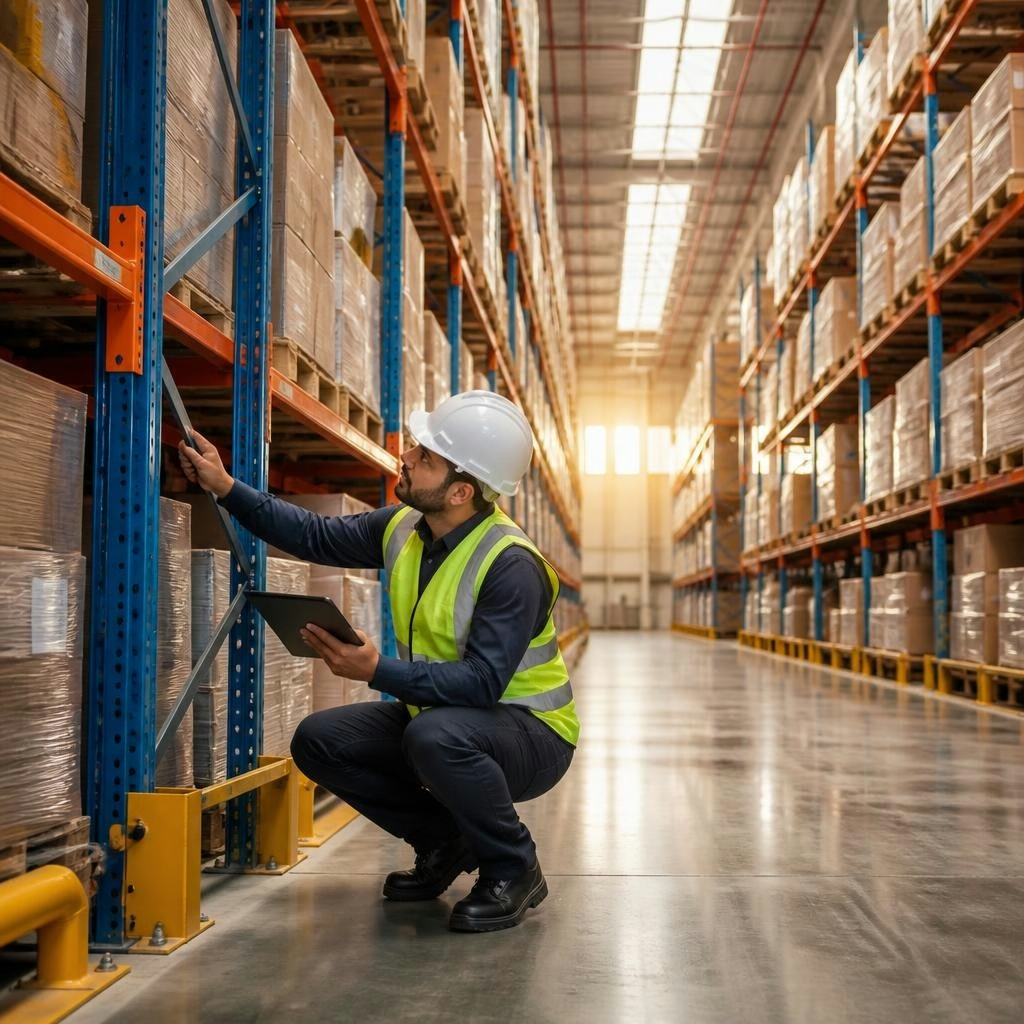
Why regular racking inspections matter
Racking is the backbone of any warehouse: when it performs well you save space and speed up operations, and when it fails it can cause injuries, damaged stock, and downtime. Regular inspections catch small problems before they grow into expensive or dangerous failures, helping protect staff, stock and your bottom line. In Dubai’s busy commercial environment, proactive maintenance also keeps operations predictable during peak periods.
Know the racking types and what to watch for
Different systems need different attention. Heavy-duty pallet racking, medium- and light-duty racking, multi-level systems, mobile shelving and adjustable shelving each have distinct stress points. For example, multi-level and mobile systems need extra checks on moving parts and platforms, while heavy-duty racking bears much higher point loads and requires careful upright and beam inspection. Identifying the system type in your facility helps focus inspection efforts.
Daily and routine visual checks anyone can do
Operators and floor staff should do simple visual checks every shift: look for leaning uprights, missing or dislodged beams, pallets sticking out, and debris or obstructions in aisles. Check that load limits are displayed and appear to be followed. These quick checks don’t replace formal inspections, but they are the first line of defense and can flag immediate hazards.
Monthly and quarterly inspections: what to record
A more detailed inspection once a month or quarter should capture condition of uprights, beams, braces, and connectors; signs of corrosion; loose or missing bolts; and any deformation or dents. Record the location of each issue, take photographs, note suspected causes (e.g., forklift impact), and log any corrective actions taken. Keeping a simple checklist or digital log makes trends easier to spot over time.
Key damage signs to take seriously
Some problems need urgent attention: uprights bent or bowed, beams that have slipped out of their locks, fractured welds, severe corrosion, or any structural movement after a collision. Even moderate dents can reduce load capacity. When you see these signs, tag the affected bay as restricted and remove loads if necessary until a qualified assessment is completed.
Safe procedures for damage checks
Never stand under a rack bay suspected of structural damage and avoid climbing on racking to inspect it. Isolate the affected area and use photographs and measurements from a safe distance where possible. Use proper lifting equipment and follow your site’s lockout/tagout procedures before performing any work. If inspection requires accessing elevated platforms or moving components, ensure staff are trained and equipped to do so safely.
How to prioritize maintenance work
Treat safety-critical defects as top priority: anything that compromises structural integrity should be dealt with immediately. Secondary items—loose shelving, minor corrosion, or alignment issues—can be scheduled into planned maintenance windows. Create a simple priority matrix (urgent, soon, monitor) so teams know which items require immediate action and which can be tracked and repaired during regular downtime.
When to call in a racking specialist
Bring in a specialist after any significant impact, when you’re unsure about the severity of damage, or when systems are complex (multi-level, mobile, or bespoke installations). A qualified racking provider can assess structural safety, recommend repairs or replacements, and help plan remedial work to minimize disruption. For facilities in Dubai, working with a local specialist familiar with regional operating conditions can speed up response and repairs.
Small repairs versus replacement decisions
Some repairs are straightforward: replacing individual beams, tightening or replacing missing bolts, and fitting protective guards or column protectors. Other situations call for replacement of uprights or entire bays—especially if welds are cracked or structural deformation is severe. Base the decision on safety, long-term reliability and the impact on load capacity rather than short-term cost savings.
Record-keeping, training and local considerations
Keep inspection logs, photographs and repair records organized and accessible; they show maintenance history and help with insurance or compliance enquiries. Regularly train operators and maintenance staff to spot common issues and follow safe procedures. In Dubai, consider environmental impacts like dust and coastal humidity that can accelerate wear—cleaning schedules and corrosion checks should reflect local conditions. If you need help assessing or maintaining your racking systems, FCSI Racking in Dubai can provide professional inspections and practical solutions to keep your storage safe and efficient.
Article by
FCSI Racking
FCSI Racking is Trusted Racking and Shelving Company in Dubai. We provide top Racking and shelving Solutions in Dubai. Our services include heavy-duty racking systems, medium and light-duty racking, specialized racking systems, multi-level storage, adjustable shelving, mobile shelving and secure storage options. We provide dependable and practical Racking and shelving solutions for your commercial and industrial needs. Contact us today for the best racking and shelving solutions in Dubai! Let us help you make the most of your space with practical and reliable storage systems.