When to Upgrade Your Racking System: Signs Dubai Warehouses Shouldn't Ignore
A practical guide for Dubai warehouse managers outlining clear warning signs that it's time to repair, reconfigure, or replace racking systems — plus steps to evaluate your options and what modern shelving solutions can do for your space.
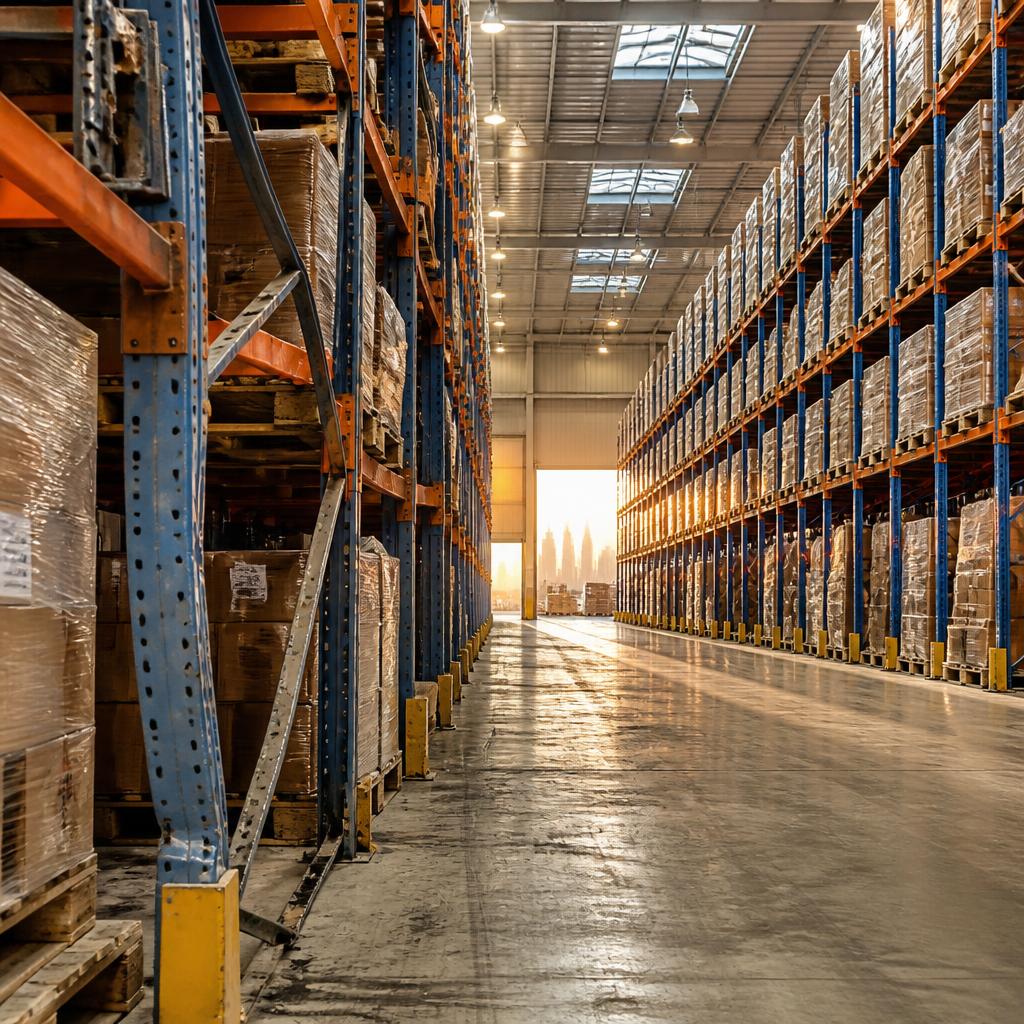
Why paying attention to your racking matters
Racking is the backbone of any warehouse: it organizes stock, keeps people safe, and determines how efficiently you pick and store items. In Dubai’s fast-moving commercial environment, small inefficiencies add up quickly. Not every scratch or dent means a full replacement, but ignoring recurring problems can lead to safety risks, slower operations, and higher long-term costs.
Quick checklist: immediate red flags
Watch for visible structural damage (bent beams, twisted uprights), missing safety pins or braces, sagging shelves, and uprights that no longer sit plumb. Also flag frequent pallet jams, regular access blockages, and signs of corrosion where metal is exposed. If these issues appear in more than one location, it’s time for a deeper assessment.
Safety issues that demand fast action
Any damage that compromises load-bearing components or creates fall hazards should be addressed immediately. Even if a single bay looks fine, impact damage can weaken adjacent bays. Prioritize inspections after forklift collisions or heavy impacts and remove compromised bays from service until repaired or replaced.
Frequent stock errors and handling bottlenecks
If your team struggles with misplaced inventory, repeated picking mistakes, or slow putaway, your racking layout may be part of the problem. Narrow aisle widths, inappropriate shelf heights, or mismatched pallet sizes cause wasted time and extra handling. These operational symptoms often indicate that reconfiguration or adjustable solutions would give the biggest immediate productivity gains.
Poor space utilization and growth limits
Running out of usable storage while floor space still exists is a sign your racking isn’t optimized. Multi-level systems, mobile shelving, and adjustable racks can dramatically increase capacity without expanding your building footprint. Consider upgrading when expansion plans or rising SKU counts make your current layout a bottleneck.
When repairs keep coming back
If you find yourself patching the same beams, replacing multiple components, or scheduling frequent maintenance, repair is becoming a sunk cost. Repeated fixes point to either a systemic mismatch between the rack type and your operations or to racks that are past their effective service life — both situations where reconfiguration or replacement is more economical.
Load changes and product mix shifts
Changes in average pallet weight, pallet size, or the introduction of bulkier products can mean existing racks are no longer appropriate. Heavy-duty racking is different from medium- or light-duty systems; using the wrong type risks overloading components. If your product mix changes, reassess load requirements and choose a solution sized for current and near-future needs.
Aging systems and compatibility limits
Older racking systems may lack features common in modern designs, such as adjustable beam heights, integrated safety accessories, or compatibility with new handling equipment. When spare parts are hard to find or upgrades require custom work, it’s often more practical to plan for replacement with a system that supports flexibility and easier maintenance.
Repair vs reconfigure vs replace: a practical decision guide
Use a simple decision framework: prioritize immediate safety repairs for any compromised components; consider reconfiguration when the racks are structurally sound but inefficient for your workflows; and plan replacement when repeated repairs, major product or load changes, or capacity constraints persist. Factor in downtime, long-term operating costs, and the benefits of features like multi-level storage, adjustable shelving, or mobile systems when choosing a path forward.
Next steps: how to evaluate and act in Dubai
Start with a focused inspection and an inventory of requirements: record damaged areas, measure pallet sizes, and document throughput needs. Bring in a racking specialist to audit your layout and provide options — whether light adjustments, beam swaps, or a complete redesign. FCSI Racking offers assessments and solutions such as heavy-duty, medium and light-duty racking, multi-level systems, adjustable shelving, and mobile shelving that address capacity and safety concerns. Reach out for a practical site evaluation and a proposal tailored to your warehouse constraints and goals.
Article by
FCSI Racking
FCSI Racking is Trusted Racking and Shelving Company in Dubai. We provide top Racking and shelving Solutions in Dubai. Our services include heavy-duty racking systems, medium and light-duty racking, specialized racking systems, multi-level storage, adjustable shelving, mobile shelving and secure storage options. We provide dependable and practical Racking and shelving solutions for your commercial and industrial needs. Contact us today for the best racking and shelving solutions in Dubai! Let us help you make the most of your space with practical and reliable storage systems.