Getting Braces in Narnaul: Answers Teens and Parents Need
Practical, clinic-based answers to common questions about fixed braces—what happens at the first visit, soreness in the first week, food and school routines, treatment length expectations, and step-by-step oral hygiene to prevent cavities and stains.

Why this guide matters for Narnaul families
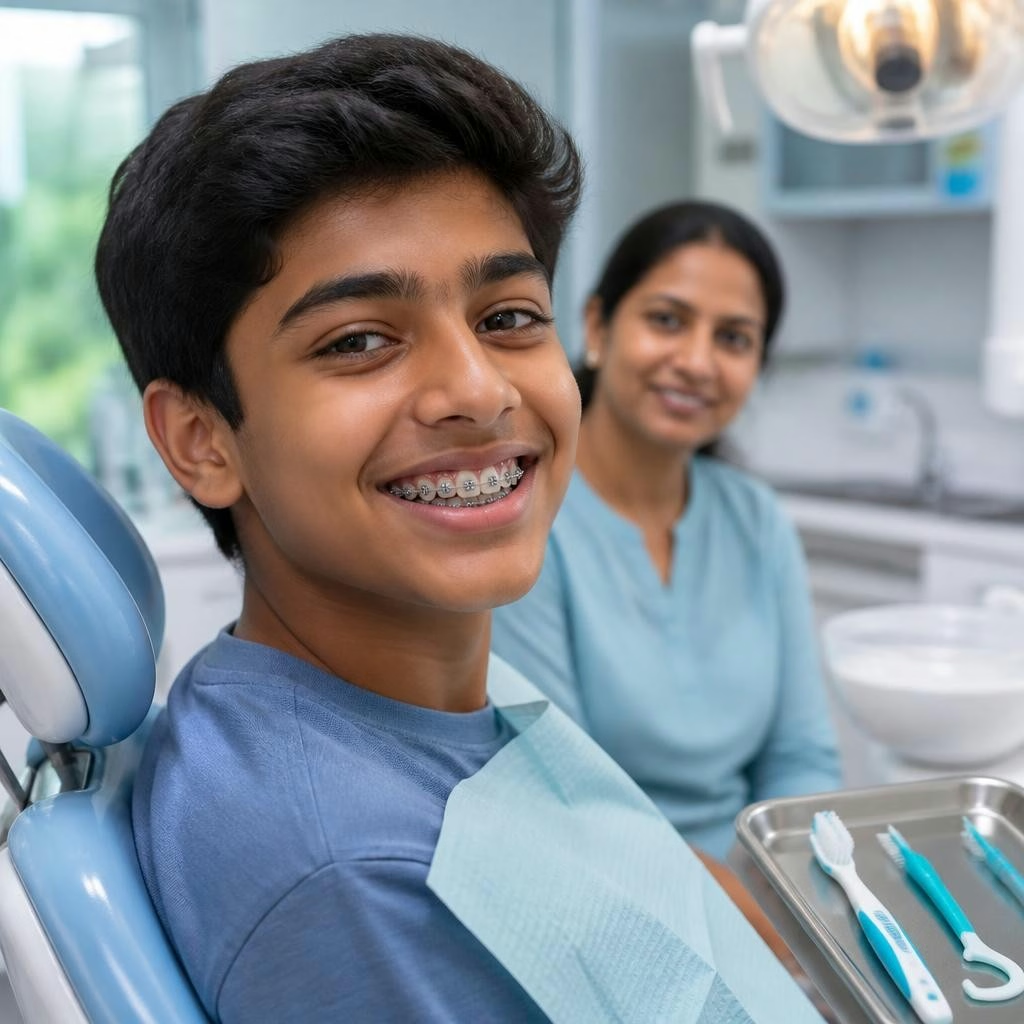
Choosing orthodontic treatment is a big step for teens and their parents. This article focuses on the practical questions families most often ask before starting fixed braces: how much discomfort to expect, what to eat, how braces fit into school life, how long treatment commonly takes, and exactly how to keep teeth clean around wires. Where helpful, the advice is grounded in the services and approach used at a local dental clinic offering orthodontic care, digital records and minimally invasive treatment planning.
Is fixed braces the right choice?
Determining whether fixed braces are the best option begins with a clinical assessment. At a modern clinic you can expect a thorough exam plus dental imaging and digital scans to document tooth positions and jaw relationships; these records help the orthodontist propose the least invasive, most effective plan. Orthodontic options may include traditional brackets and wires or alternatives such as aligners when appropriate. A clear discussion of goals, timeline and daily impacts should happen before any treatment starts.
What happens at the first appointment and fitting
The initial orthodontic visit typically includes a review of your scans and X-rays, a treatment plan explanation, and scheduling of the bonding appointment. Bonding brackets involves cleaning and preparing the tooth surface, attaching brackets, and seating the first archwire. Patients often feel pressure rather than sharp pain during placement. The team will demonstrate how to clean around brackets and provide basic care instructions and an emergency contact for any urgent issues after the appointment.
Soreness and pain in the first week — what to expect
Many patients notice tenderness or pressure in the first few days as teeth begin to move; this is a normal part of orthodontic adjustment. Discomfort is generally temporary and can be managed with soft foods, careful chewing, orthodontic wax to ease sore spots, and over-the-counter pain relief when appropriate. Clinics that emphasize patient comfort and gentle techniques can make the early days easier—some local patients report smooth, successful outcomes after completing treatment.
Food and eating: practical restrictions and tips
To protect brackets and wires, avoid very hard, sticky or chewy foods (for example, hard candies, nuts, chewy candy, and taffy). Crunchy items like whole apples or corn on the cob should be cut into small pieces and eaten carefully. Hot beverages and very crunchy snacks also risk damaging components or exacerbating soreness. Carry a small kit with orthodontic wax and a travel toothbrush for school or outings to manage minor problems and maintain hygiene.
School, sports and daily routine with braces
Most students continue normal school or college routines while wearing braces. Plan to brush after lunch or at least rinse well and use interdental brushes if brushing isn’t possible right away. For contact sports, discuss protective options with your orthodontist—mouthguards are commonly recommended to protect teeth and appliances. If soreness makes concentrating difficult in the first few days, a brief adjustment to activities and snack choices usually helps.
Cleaning around wires: step-by-step to avoid cavities and stains
Oral hygiene is essential during orthodontic treatment. Key steps: brush after every meal with a soft-bristled or orthodontic brush and fluoride toothpaste, angling the brush to clean above and below the brackets; use interdental brushes to clean between wires and teeth; employ floss threaders or orthodontic flossers to reach beneath the archwire once a day; and consider a fluoride mouthwash to strengthen enamel. Regular professional cleanings help remove plaque and prevent white-spot lesions and staining.
Next steps and what to expect from your local clinic
If you are considering braces in Narnaul, request a consultation to review diagnostic records and discuss goals. Modern clinics offering orthodontics and digital intraoral scanning can provide precise planning and follow-up. Book appointments in advance to reduce waiting, and ask the clinic about the frequency of review visits and any expected follow-up care. Many local patients highlight polite, caring staff and positive treatment results—bring any previous dental records to your first visit so the team can tailor the plan to your needs.
Customer review


Article by
Gulab Dental Hospital
Gulab dental hospital, located in the heart of the city, is an ultra modern Dental clinic equipped with latest high-end technology including CBCT, OPG, RVG, Surgical operating Microscope etc offering world class dental treatments. Extreme emphasis is given to preventive &least invasive procedures by all consultant doctors.