Painless Tooth Extraction in Narnaul: How Modern Techniques Reduce Fear and Speed Recovery
A clear, step-by-step guide to what happens before, during, and after a tooth extraction at a modern clinic in Narnaul — how anaesthesia, careful technique and simple aftercare keep the procedure comfortable and lower the risk of swelling or infection.

Introduction: an extraction without unnecessary fear
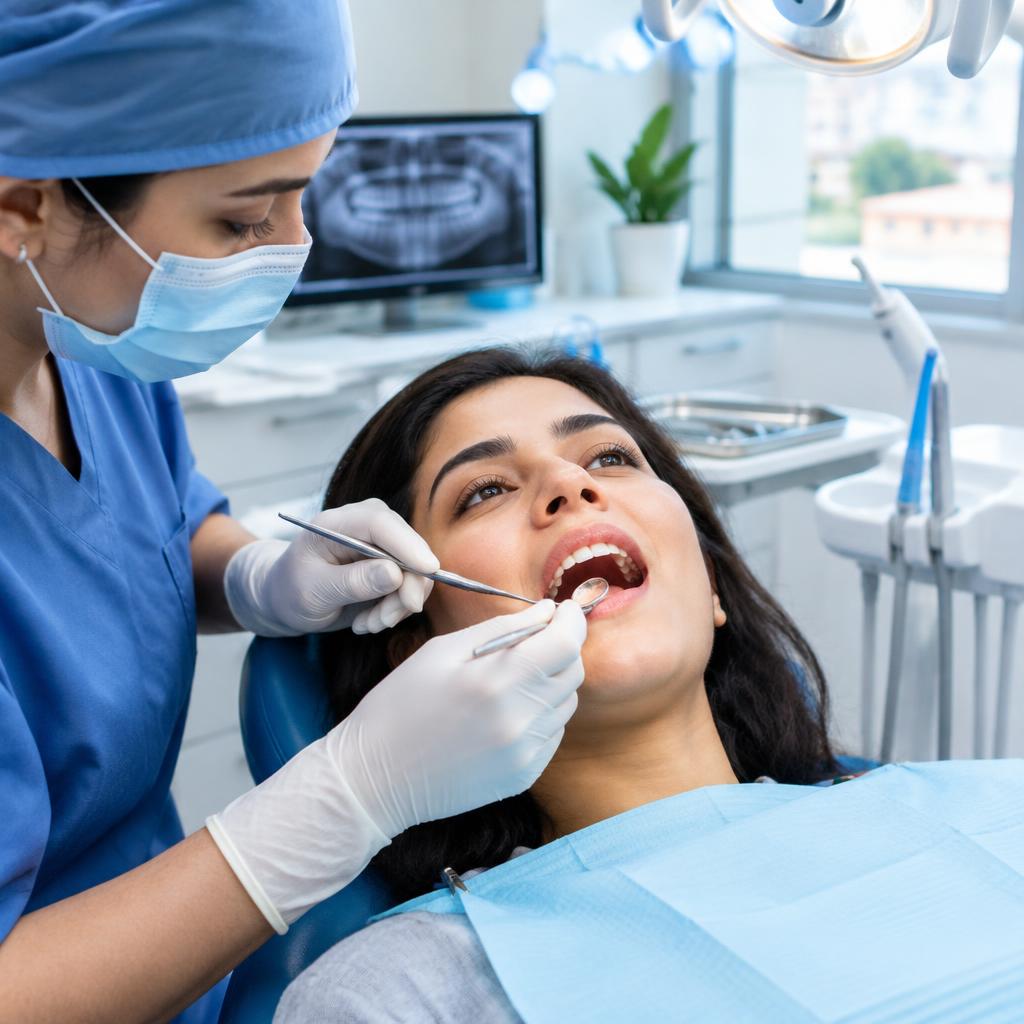
A tooth extraction is often associated with anxiety, but advances in anaesthesia, imaging and minimally invasive technique mean most procedures are quick and comfortable. At local clinics in Narnaul, patients routinely tell us they experienced little to no pain and felt well cared for throughout the visit. One recent patient specifically described her extraction as comfortable and pain‑free, a response many others echo when treatment is performed with modern equipment and careful technique.
Why modern technique matters
Comfort during an extraction depends on planning and execution. Proper assessment, targeted local anaesthesia, and a gentle surgical approach reduce trauma to surrounding tissues — which in turn reduces pain, bleeding and recovery time. Minimally invasive methods focus on preserving bone and soft tissue, making later restorative options (crowns, bridges or implants) simpler when they are needed.
Before the appointment: assessment and preparation
A safe extraction begins with a thorough evaluation: dental and medical history, a clinical exam, and appropriate imaging. At clinics equipped with CBCT, OPG or RVG imaging, the dentist can view root shape, proximity to nerves or sinuses, and any underlying infection. That information guides the extraction plan and helps the team prepare the correct instruments and anaesthetic technique so the actual procedure is smooth and predictable.
During the procedure: anaesthesia and gentle technique
Most routine extractions are performed under local anaesthesia that numb the area completely before any manipulation begins. Dentists use careful, controlled motions and atraumatic instruments to loosen and remove the tooth while minimizing pressure on surrounding bone. For more complex cases the surgical operating microscope and specialised tools allow precise work in a smaller area, which reduces tissue damage and postoperative discomfort. The dental team also monitors patient comfort throughout and can adjust anaesthesia if needed.
Technology and clinical skill at a modern Narnaul clinic
When imaging and magnification are available alongside experienced clinicians, extractions become more predictable. Equipment such as CBCT (3D imaging), OPG and RVG provide clear views of roots and anatomy; a surgical operating microscope improves visibility during delicate removals. Combined with an emphasis on preventive and least‑invasive care, these resources help practitioners treat teeth efficiently while preserving surrounding structures and lowering complication risk.
Aftercare: the first 24 hours
The first day after extraction is when simple steps make the biggest difference. Bite gently on gauze to control bleeding; change it only as instructed. Keep the head elevated, avoid heavy physical activity, and apply an ice pack to the cheek intermittently for 10–15 minutes to limit swelling. Do not rinse forcefully, spit, or use a straw for the first 24 hours, as those actions can dislodge the clot and lead to increased pain or dry socket.
Aftercare: days 2–7 and signs of normal recovery
Over the next few days swelling and mild discomfort typically decrease. Maintain gentle oral hygiene: brush other teeth as normal but avoid the extraction site, and after 24 hours you can rinse carefully with a warm saltwater solution a few times a day to keep the area clean. Follow any prescribed antibiotics or pain control as directed. Expect most routine extractions to feel substantially better within 3–7 days; continued improvement is normal while the socket heals over several weeks.
When to contact your dentist and final reassurance
Contact your dentist if you experience heavy bleeding that doesn’t respond to pressure, increasing or severe pain after the first 48–72 hours, persistent fever, or swelling that worsens rather than improves. Modern clinics in Narnaul that combine up‑to‑date imaging and trained staff make extractions predictable and much less painful than many people expect. If you are anxious, let the team know — they can explain each step, provide reassurance during the procedure, and outline clear aftercare to help you recover comfortably.
Customer review


Article by
Gulab Dental Hospital
Gulab dental hospital, located in the heart of the city, is an ultra modern Dental clinic equipped with latest high-end technology including CBCT, OPG, RVG, Surgical operating Microscope etc offering world class dental treatments. Extreme emphasis is given to preventive &least invasive procedures by all consultant doctors.