Mussoorie Heritage Stays: What to Expect from a 1930s-Era Hill Property (Case Study: Jharipani Castle)
A concise guide to staying in a 1930s-era Mussoorie hill property — covering architecture, atmosphere, hospitality and practical tips using Jharipani Castle as a real-world example.

Why choose a 1930s hill property in Mussoorie?
Staying in a heritage hill home offers a different rhythm from modern hotels: quieter surroundings, a sense of history in the building fabric, and often views that connect you with the valley and sky. Properties from the early 20th century tend to prioritise a homely scale and personal service, making them attractive for travellers who want atmosphere as much as convenience. Jharipani Castle, a 1932 property in Mussoorie, is a good example frequently mentioned by guests for this mix of character and calm.
Architecture and layout you can expect
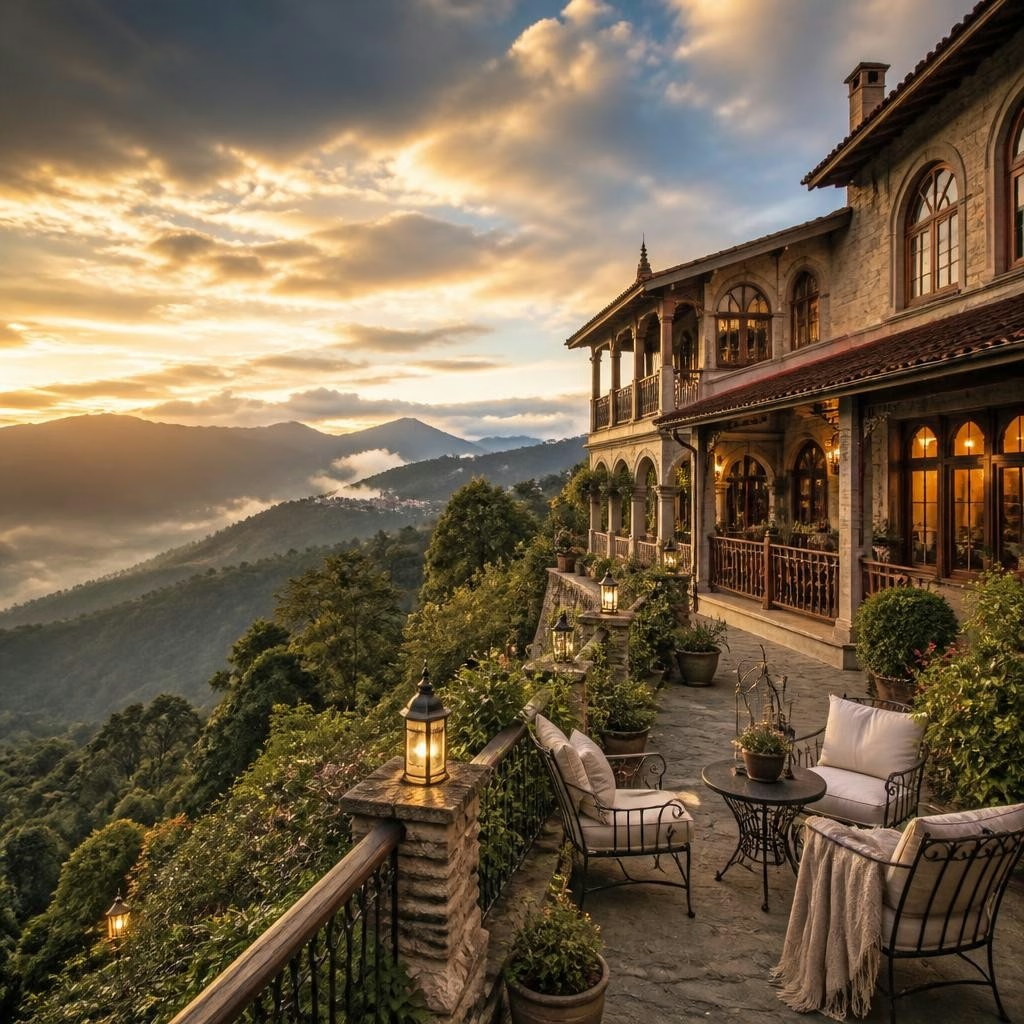
While each heritage property is unique, 1930s-era hill homes commonly feature layered terraces or verandas that take advantage of slope and sightlines, communal sitting areas, and rooms that open toward the view. Expect original details to coexist with later repairs — this is part of the charm. If you prefer strict modern finishes, check photos and descriptions carefully before booking; many guests appreciate the authentic, lived-in ambiance rather than a fully contemporary aesthetic.
Views, light and the slow-pace atmosphere
A recurring highlight in guest feedback is the scenery: valley vistas, clear morning light for sunrise, and peaceful evenings. Reviewers of Jharipani Castle frequently note these calming panoramas as central to their stay and describe the property as especially suited to relaxation and quiet reflection. If you plan to unwind, look for rooms or common spaces oriented toward the valley and build time into your itinerary for sunrise or sunset on-site.
Hospitality style — personal, homely service
Heritage hill properties often operate with fewer staff than large hotels, which tends to create a more personal service style. Guests of Jharipani Castle repeatedly mention warm, attentive hosts and on-site managers who treat visitors like house guests rather than anonymous customers. For travellers who value friendly interaction and local recommendations, that hands-on hospitality is a major advantage.
Modern comforts blended with old-world charm
Many visitors appreciate properties that retain historic character while offering practical comforts: clean, well-kept rooms, reliable hot water, secure premises, and satisfying meals. Guests at the case-study property have specifically praised the cleanliness, breakfast and the safety of the site. If contemporary amenities are important to you, confirm what is provided in your room and whether the property offers on-site dining or helps arrange nearby meals.
Practical tips before you go
Plan your arrival logistics in advance. Some reviewers note that roads near hill properties can be narrow or uneven, so a taxi or car is often preferable to two-wheelers. If the property is locally famous (for a film or café), do check access policies: some heritage hotels restrict entry to overnight guests and do not admit casual visitors to private areas. Booking ahead, communicating arrival time, and asking about parking or a pick-up point will reduce surprises.
What to pack and how to set expectations
Bring layered clothing for cool mornings and evenings, sturdy shoes for steps and paths, and a camera for the views. Expect a quieter schedule than you would at a city hotel — breakfasts and meals may be timed around the household routine, and communal spaces are designed for relaxed conversation rather than constant activity. If you value privacy, request a secluded room; if you want interaction, mention that when booking so staff can suggest rooms and common areas suited to your preference.
Customer review


Article by