Understanding Hysterectomy and Myomectomy: Options, Recovery, and Questions to Ask in Gurugram (Sector 82)
A clear, practical guide to why a hysterectomy or myomectomy may be recommended, the common surgical approaches, typical recovery expectations, and how to discuss risks, benefits and alternatives with a gynecologist at Miracles Apollo Cradle/Spectra in Sector 82, Gurugram.

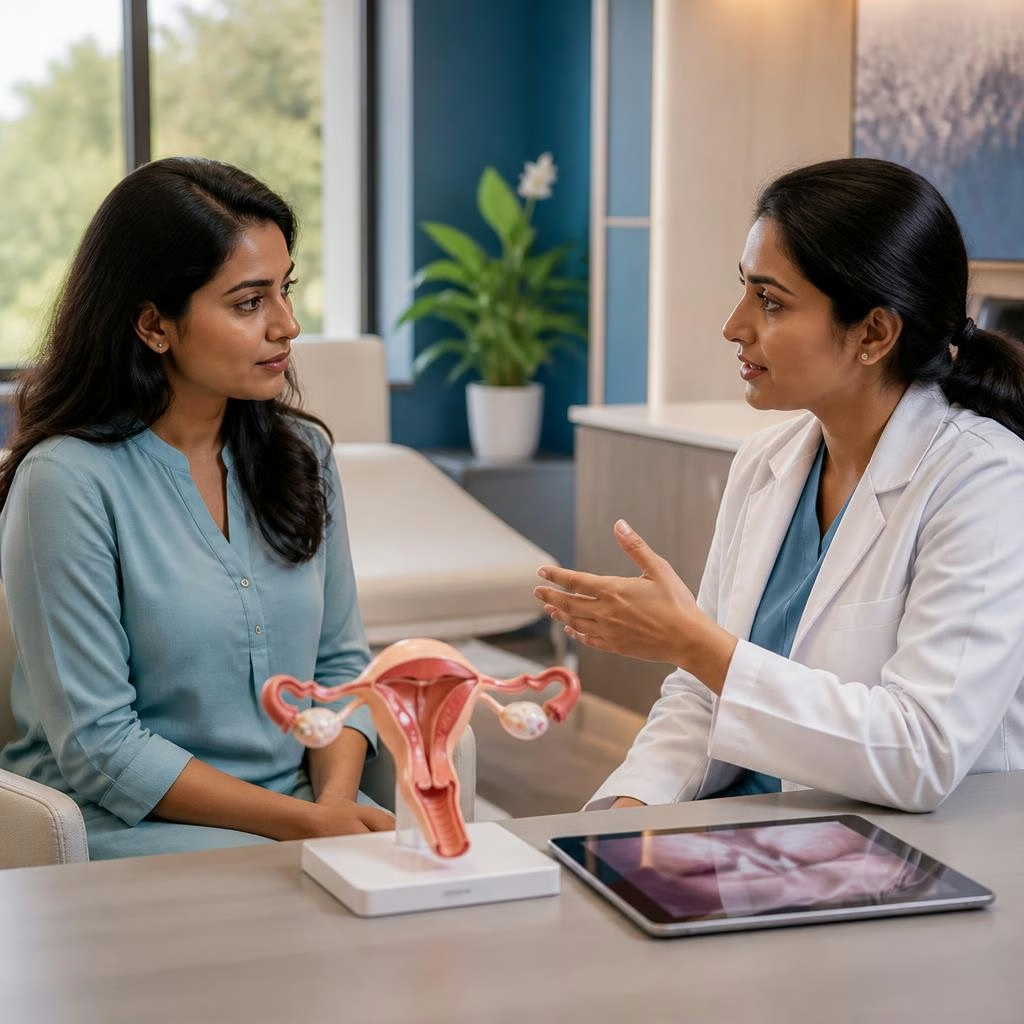
When a Hysterectomy or Myomectomy Is Considered
Hysterectomy (removal of the uterus) and myomectomy (removal of uterine fibroids while preserving the uterus) are two surgical options for managing significant gynecologic problems. A gynecologist may advise myomectomy when the main goal is to relieve symptoms from fibroids while preserving fertility or the uterus. Hysterectomy may be recommended when there is persistent heavy bleeding, large or multiple fibroids that cannot be removed safely, chronic pelvic pain not responsive to other treatments, prolapse, or when a definitive solution is required—for example when malignancy is suspected or confirmed. Your treating doctor will balance symptom severity, age, desire for future pregnancy, underlying diagnoses, and general health when recommending one procedure over the other.
Common Surgical Approaches Explained
Surgeons typically use one of several approaches depending on the problem’s size, location and complexity: an open abdominal approach (larger incision), a vaginal approach (removal through the birth canal for select cases), or minimally invasive laparoscopic surgery (small incisions with faster recovery). For myomectomy, laparoscopic or open approaches are chosen based on fibroid number, size and location. Minimally invasive techniques often result in less pain, shorter hospital stays and quicker return to daily activities, but they may not be appropriate for very large or deeply embedded fibroids.
How Doctors Decide Between the Two Procedures
Decision factors include whether you want future pregnancies, the size and number of fibroids, presence of other conditions (for example endometriosis or uterine prolapse), prior abdominal surgeries, anemia, and the likelihood of malignancy. Imaging (ultrasound or MRI) and lab tests help define the problem. In some cases, medical alternatives are tried first; in others—such as confirmed cancer—a hysterectomy may be the recommended, definitive treatment. Discussing your long-term goals (fertility, symptom relief, recovery expectations) is central to choosing the right option.
Preparing for Surgery: Tests and Practical Steps
Before any procedure you should have a preoperative consultation to review your medical history, medications, allergies and anesthesia risks. Common pre-op steps include blood tests, imaging, and anesthesia evaluation. Miracles Apollo Cradle/Spectra offers a NABL-accredited laboratory for accurate diagnostics and quick online reports, which can streamline preoperative work-up. Ask about fasting instructions, which medications to stop or continue, and arrangements for admission and post-discharge care. Confirming appointment times and admission procedures in advance helps reduce waiting and logistical stress.
Recovery Timelines and What to Expect
Recovery varies by approach. Minimally invasive (laparoscopic) procedures often involve shorter hospital stays and a quicker return to routine activities—many patients notice steady improvement within one to three weeks, though full internal healing takes longer. Open abdominal surgery usually requires a longer recovery period, commonly several weeks, with graduated return to normal activity as advised by your surgeon. Pain control, wound care, gradual increase in light activity, and avoiding heavy lifting are typical recommendations. Your surgeon will give personalized guidance about wound care, signs of infection, and a safe timetable for exercise and driving.
Risks, Benefits and Non‑surgical Alternatives
All surgeries carry risks—bleeding, infection, anesthesia-related complications, and rarely injury to nearby organs. Hysterectomy eliminates uterine-related symptoms permanently but ends fertility; myomectomy preserves the uterus but has a risk of fibroid recurrence. Benefits include relief of heavy bleeding, pain reduction and improved quality of life. Alternatives to discuss with your gynecologist may include medication to control bleeding or hormones, uterine-preserving procedures when appropriate, or watchful waiting if symptoms are mild. Ask whether less-invasive options are suitable for your condition and whether referral to a specialist is advised.
Questions to Bring to Your Gynecologist in Sector 82
Prepare a short list of questions to ensure a clear discussion: What is the primary diagnosis and why are you recommending this procedure? What surgical approach do you recommend and why? What are the specific risks and expected benefits for me? How will this affect my fertility or hormonal status? What tests are needed before surgery, and how quickly can they be completed? What should I expect for pain control, hospital stay length, and follow-up visits? Also ask about billing clarity, appointment logistics and who to contact with questions after discharge. Miracles Apollo Cradle/Spectra’s coordination team can help schedule tests and explain reporting timelines—patients often appreciate having a named contact to arrange appointments and results.
Why Patients Choose Miracles Apollo Cradle/Spectra Sec 82
Many patients in Gurugram highlight the hospital’s supportive staff, coordinated care and well-maintained facilities when describing surgical experiences. One recent patient noted that their family member’s operation went smoothly and praised the friendly, professional team—feedback that reflects the hospital’s focus on patient comfort and clinical care. As a NABH‑accredited multi‑specialty hospital with a NABL‑accredited laboratory, Miracles Apollo Cradle/Spectra provides expert gynecology consultations, preoperative work-up with fast online reports, and clear admission pathways. For patients concerned about maternity or complex gynecologic needs, the centre’s experience in maternity care and Level III NICU support adds extra assurance when continuity of care is important. If you’re considering hysterectomy or myomectomy, schedule a consultation to review options, get individualized risk information, and plan a recovery pathway that fits your needs.
Customer review


Article by
Miracles Apollo Cradle / Spectra Hospital Sec-82
Miracles Apollo Cradle/Spectra Sec 82 - Hospital (Sec 82, Gurugram) signifies the luxury of a 5 star hotel, the comforts of home and the unifocal approach to deliver the highest medical care in the field of Obs/Gynae. Miracles Apollo Cradle/Spectra has state of the art infrastructure with regard to obstetrics, gynecology, Uterus Removal, Hysterectomy, Myomectomy, C-Section, general surgery, Appendix, Hernia, Gallbladder Stone Surgery, Orthopedic Surgery, Joint Replacement Surgery (Knee & Hip), Spine Surgery & neonatology. Miracles Apollo Cradle/Spectra believes in the concept of LDR (Labour, Delivery and Recovery) rooms – that eliminates the need for prospective mothers to be bundled in and out of endless rooms before and after delivery.