Ayurvedic Indian Food for Yogis in Ubud: Post‑Yoga Meals on Sri Wedari
A practical guide for yoga students and retreat guests near Sri Wedari and Tegallantang on choosing light, sattvic Ayurvedic dishes at Panchamrit and finding the restaurant after practice.

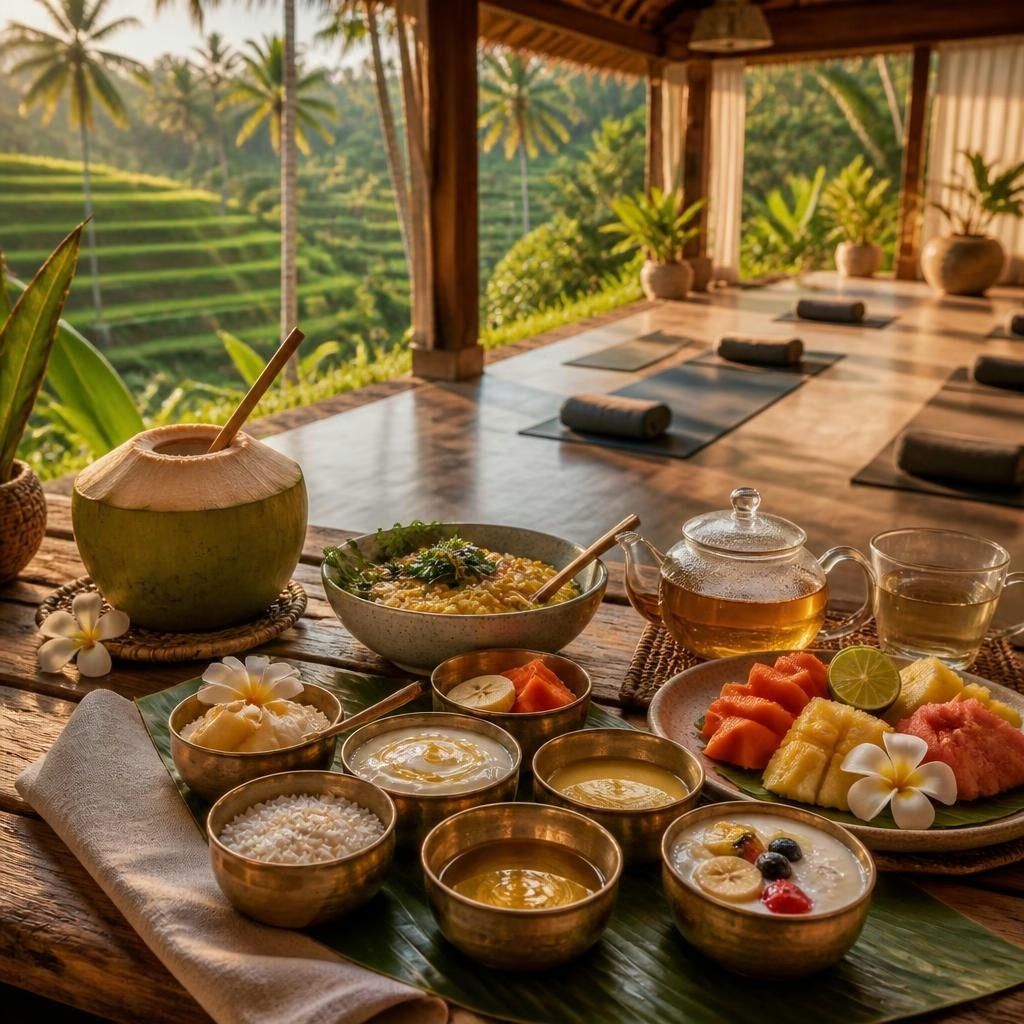
Why choose Panchamrit after a yoga session
Panchamrit Ayurvedic Indian Vegetarian Cuisine on Jl. Sri Wedari offers a menu rooted in Ayurvedic principles and a calm dining atmosphere that many yoga guests find restorative after practice. The restaurant emphasizes fresh fruits, vegetables, whole grains and ethically sourced dairy, and aims to balance the six tastes (Shad Rasas) to support both physical and mental equilibrium. For practitioners seeking a deliberate, nourishing meal rather than heavy restaurant fare, Panchamrit’s approach aligns well with a post‑practice focus on grounding and gentle replenishment.
What 'sattvic' and Ayurvedic food means for your post‑practice meal
In Ayurveda, sattvic foods are considered clarifying and calming—foods that are fresh, minimally processed, and prepared with balance in mind. Panchamrit’s menu is described by guests as thoughtfully prepared with authentic Ayurvedic flavours and an emphasis on freshness and balance. Choosing dishes that are lighter, warm, and easy to digest helps many students maintain the relaxed, mindful state cultivated during yoga rather than disrupting it with overly rich or spicy options.
Recommended dishes to restore calm energy
Several menu items commonly recommended by diners make particularly suitable post‑yoga choices. Dosas are a lighter, fermented crepe option often gentle on the stomach; a balanced thali offers small portions of varied preparations so you can sample a few milder tastes without overeating; simple lentil preparations such as dal provide comforting protein and warmth; vegetable‑forward clay pot or paneer dishes can be shared for a nourishing but controlled meal. Guests have also praised fruit‑based or herbal beverages and lighter starters as good ways to rehydrate and settle after practice.
How the kitchen accommodates dietary needs
Panchamrit is noted for attentive service and flexibility around requests. Reviewers report that staff and the chef accommodate allergies and preferences—such as omitting cream, onion, or garlic—and handle vegan, Jain and gluten‑sensitive needs courteously. If you prefer a strictly sattvic plate or have specific restrictions after a retreat practice, tell the staff when you arrive or when booking; the team is experienced in adjusting dishes to match individual dietary and spiritual preferences.
Finding the restaurant from Sri Wedari and Tegallantang
The restaurant is located on Jl. Sri Wedari in the Tegallantang Kelod area of Ubud. For students at nearby yoga studios on or near Sri Wedari, a short walk along the main Sri Wedari road toward the Tegallantang neighborhood will bring you to the address at No.16. If you are coming from other parts of Ubud, local transport or a short motorbike ride will put you on Sri Wedari quickly. Because the setting is tucked among greenery, look for a calm, garden‑lined entrance rather than typical busy commercial signage.
Timing and atmosphere considerations
Many guests emphasize the restaurant’s calm, soothing atmosphere—an appealing quality after the stillness of practice. If you prefer the most tranquil experience, consider visiting outside peak meal rushes; the staff and chef provide personal attention that is especially noticeable at quieter times. Do note that some reviews mention brief daytime construction noise in the area on occasion, so if absolute quiet is essential after a restorative session, you may wish to ask when making a reservation or choose an earlier or later seating.
Practical tips for a mindful visit
Reserve a table if you are coming with a group from a retreat, and mention any dietary requests in advance so the kitchen can prepare a sattvic or specially adapted meal. Ask staff for smaller portion or sharing suggestions if you want a light meal rather than a full dinner. Guests frequently praise the chef’s care and the home‑style quality of the food; communicating your post‑practice needs—lighter spices, no onion/garlic, or simple warm preparations—will help ensure a nourishing, calming dining experience after yoga.
Customer review


Article by
Panchamrit
"Panchamrit" Meaning the "Five Nectars" is the guiding principle used to prepare Nectar like Ayurveda Inspired Indian Cuisine. At Pachamrit, we strive to serve a wholesome nourshing diet that enhances mental clarity and promotes emotions like compassion, kindness, love, forgiveness, empathy. Our Pure Vegetarian menu features fresh fruits, vegetables, whole grains, and ethically sourced dairy. Embracing Ayurvedic principles, we balance all six essential tastes - ''Shad Rasas'' - sweet, sour, salty, pungent, bitter, and astringent - to rejuvenate both body and mind. "Because we cannot scrub our inner body we need to learn a few skills to help cleanse our tissues, organs, and mind. This is the art of Ayurveda."