Best Indian Thali in Ubud: What’s on the Plate at Panchamrit and How to Enjoy It
A concise guide to what to expect from Panchamrit’s Ayurvedic vegetarian thali in Ubud, how the plate reflects the six tastes of Ayurveda, and practical tips for first‑time diners on mixing, tasting and ordering.

Why Panchamrit’s Thali Draws Attention
Panchamrit is a pure vegetarian restaurant in Ubud that frames its cuisine around Ayurvedic principles and balanced nourishment. Guests frequently describe the food as authentic, home‑style and deeply nourishing, and many single out the thali as a particularly satisfying way to sample the kitchen. The restaurant’s focus on fresh fruits, vegetables, whole grains and ethically sourced dairy, combined with attentive service, makes the thali an appealing choice for diners seeking a complete, health‑minded Indian meal.
What a Thali Typically Looks Like at Panchamrit
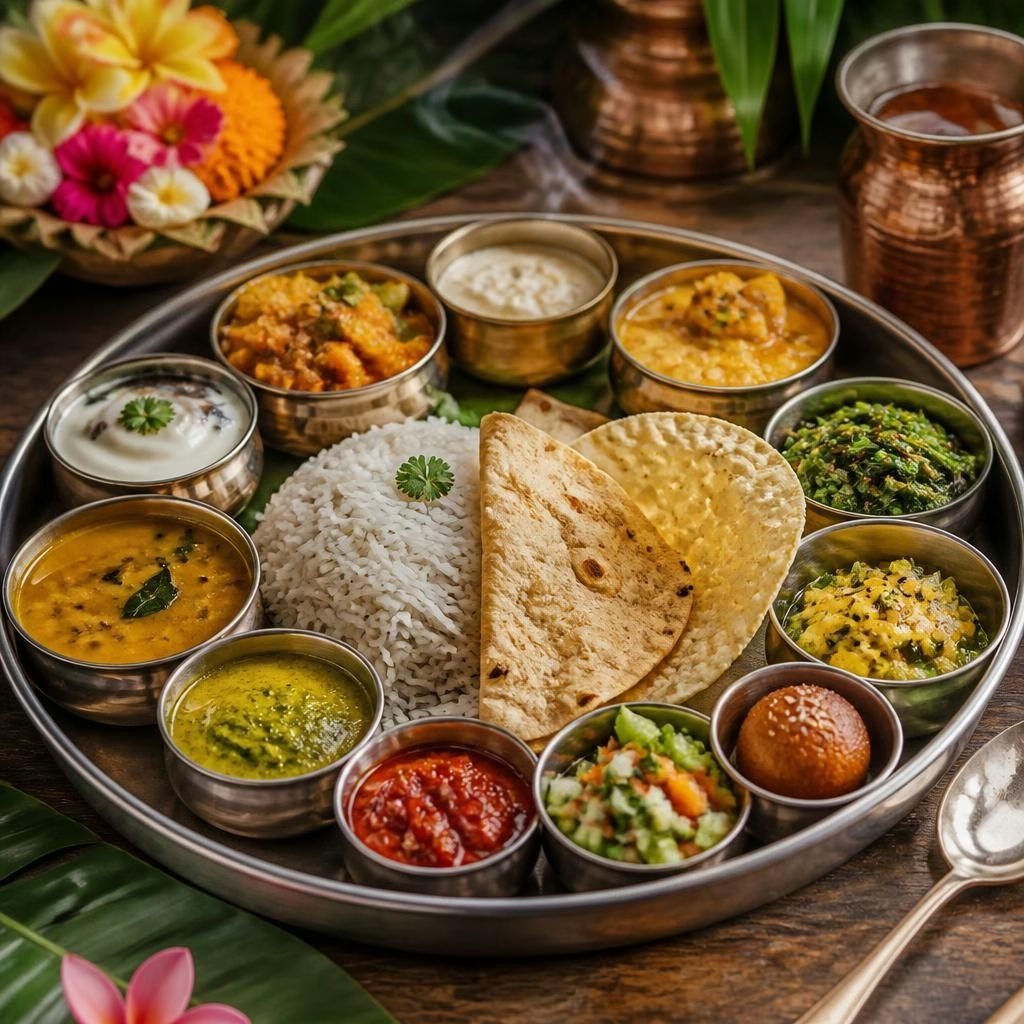
A thali at Panchamrit follows the traditional idea of a multi‑dish platter served together so you can taste a variety of flavors and textures. Expect several small bowls of vegetable curries, a lentil preparation (dal), rice, and at least one type of Indian bread (such as roti, paratha or dosa style items). Complementary elements often include chutneys or pickles, a light salad or raita, and a simple, balanced main that ties the plate together. The composition is deliberately varied so you can sample many preparations in one sitting.
Ayurvedic Balance: The Six Tastes on Your Plate
Panchamrit emphasizes the Shad Rasas — sweet, sour, salty, pungent, bitter and astringent — so a thali is designed to include contrasting tastes that support digestion and overall balance. For example, a mildly spiced vegetable curry can provide sweet and pungent notes, a tangy chutney adds sour, dal offers soothing salty and umami elements, and a small bitter or astringent component (leafy greens, certain spices) completes the cycle. Eating these tastes together is central to the restaurant’s Ayurvedic approach and helps the meal feel balanced rather than one‑dimensional.
Signature Items You May Find on the Thali
While the exact composition varies, reviewers commonly note standout dishes and preparations available at Panchamrit that may appear on a thali or be ordered alongside it. These include dal preparations and Dal Baati, paneer‑based dishes, clay‑pot cauliflower, baingan bharta, dosas and parathas, as well as creative salads and occasional grain‑based dishes like quinoa. The kitchen also produces chaats, biryanis and teas, so a thali experience can be complemented by familiar regional specialties or more innovative, health‑focused plates.
How to Taste and Mix Each Component
To get the most from a thali, start by sampling each small bowl individually to identify dominant flavors. Then combine: pair plain rice with a milder curry, layer a spicier gravy onto bread or dosa, and use chutneys sparingly to introduce sharp or sour notes. Alternate bites of dal or cooling raita to reset the palate between pungent or salty items. Eating slowly and deliberately lets you appreciate the intended Ayurvedic balance and the contrasts between textures—creamy, crunchy, and saucy—on the plate.
Ordering Tips and Dietary Accommodations
Panchamrit is explicitly vegetarian and repeatedly receives praise for accommodating dietary preferences, including Jain requirements (no onion or garlic), vegan requests and other modifications. If you have allergies or specific restrictions, mention them when ordering; reviewers highlight personalized attention from the kitchen and staff. If you prefer stronger spices or gentler seasoning, ask about spice level so the thali can be tuned to your palate.
Ambience, Practical Notes and Ubud Context
The restaurant’s setting—a garden‑oriented, serene space in Ubud—reinforces the calming intent of an Ayurvedic meal, and many diners appreciate the hospitality and presence of the chef. A few reviewers have noted intermittent construction noise nearby, so if a quiet experience is important you may wish to choose seating accordingly or visit at a less busy time of day. Panchamrit’s location in central Ubud makes it a convenient stop for visitors exploring the area.
Making the Most of Your Panchamrit Thali Experience
Approach the thali as a curated tasting: take time, vary your combinations, and ask staff for recommendations when in doubt. Whether you value strict Ayurvedic balance, want to explore regional vegetarian flavours, or are seeking a nourishing, multi‑course style meal, the thali is an efficient way to experience the kitchen’s range. For first‑timers, ordering a thali with a shared side or a masala tea can turn the meal into a relaxed, memorable introduction to Panchamrit’s approach to food and wellbeing.
Article by
Panchamrit
"Panchamrit" Meaning the "Five Nectars" is the guiding principle used to prepare Nectar like Ayurveda Inspired Indian Cuisine. At Pachamrit, we strive to serve a wholesome nourshing diet that enhances mental clarity and promotes emotions like compassion, kindness, love, forgiveness, empathy. Our Pure Vegetarian menu features fresh fruits, vegetables, whole grains, and ethically sourced dairy. Embracing Ayurvedic principles, we balance all six essential tastes - ''Shad Rasas'' - sweet, sour, salty, pungent, bitter, and astringent - to rejuvenate both body and mind. "Because we cannot scrub our inner body we need to learn a few skills to help cleanse our tissues, organs, and mind. This is the art of Ayurveda."