Gluten-Free, Vegan and Dairy‑Light Indian Options in Ubud: How Panchamrit Makes Eating Easy
A practical guide for travelers in Ubud who need vegan, gluten‑free, or dairy‑light Indian food, explaining how Panchamrit prepares nourishing Ayurvedic dishes, handles allergy requests, and what to ask for when dining there.

Why Panchamrit is a good choice for restricted diets
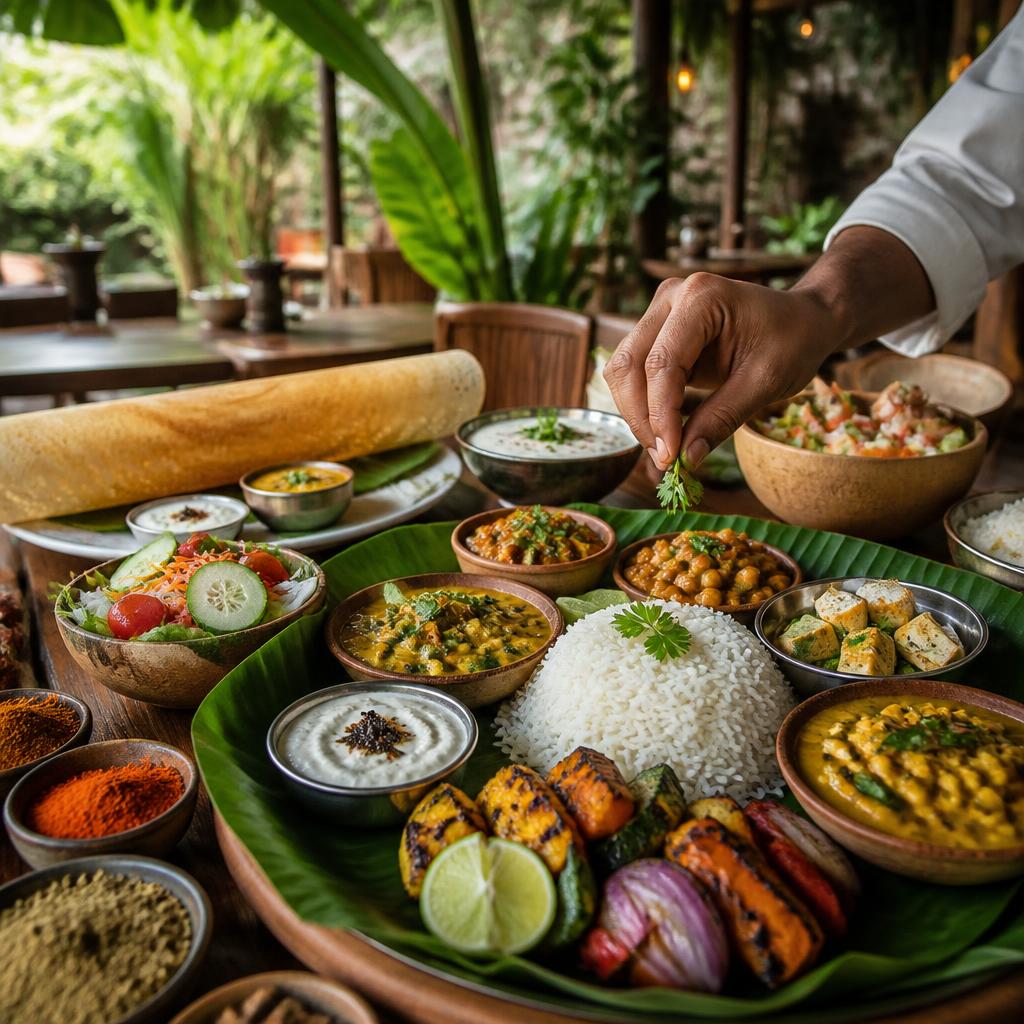
Panchamrit Ayurvedic Indian Vegetarian Cuisine in Ubud focuses on pure vegetarian, Ayurveda‑inspired meals made from fresh vegetables, whole grains, legumes and ethically sourced dairy. Its menu emphasizes light, nourishing preparations and a balance of tastes—an approach that naturally supports vegan, dairy‑light and gluten‑free choices for travelers seeking wholesome Indian food.
Menu foundations: naturally vegan and gluten‑friendly dishes
Many traditional Indian dishes are built from rice, lentils (dal), vegetable curries, chutneys and salads—ingredients that are inherently gluten‑free and, with minor adjustments, fully vegan. Panchamrit’s menu includes a wide variety of North and South Indian items and thalis, giving you multiple rice‑based and legume‑based options to choose from when avoiding gluten or animal products.
Customization and allergy accommodations
Staff and the kitchen at Panchamrit are accustomed to accommodating requests. Guests have reported that dishes were prepared to address allergies and specific instructions such as omitting cream, onion or garlic. If you have allergies or need dishes prepared dairy‑free, gluten‑free or without certain aromatics, mention these clearly when ordering so the chef can adjust seasoning and preparation.
Dairy‑light strategies to request
If you prefer dairy‑light preparations, ask for recipes with reduced or no cream, ghee or paneer. Many curries and lentil dishes can be made without dairy while retaining depth of flavor through spices and slow cooking. Panchamrit also offers vegan options on the menu—confirm with staff which items are naturally vegan or can be prepared vegan on request.
Gluten‑free tips and substitutions
For a gluten‑free meal, favor rice, dosas or steamed items and legume‑based dishes rather than wheat breads. If a thali normally includes roti or paratha, request extra rice, dal or additional vegetable dishes as substitutes. Because cross‑contact can happen in any kitchen, state your level of sensitivity and ask how the kitchen manages shared surfaces and utensils if you have celiac disease or severe gluten allergy.
Practical ordering advice for travelers
When dining at Panchamrit, communicate your dietary needs when making a reservation or on arrival—mention gluten avoidance, vegan preferences or specific ingredients to omit. The restaurant is located on Jl. Sri Wedari in Ubud and is noted for a peaceful, jungle‑facing setting; visiting during less busy hours can make it easier to discuss special requests with the chef or staff. If you prefer bolder spice, let the kitchen know, as many dishes are prepared with a mild, clean profile.
What to expect from the experience
Expect thoughtfully prepared, authentic vegetarian fare with an Ayurvedic emphasis on balance and nourishment. Reviews consistently praise the chef’s care and the welcoming service—customers note that the team often takes time to explain dishes and accommodate special requests. If you have dietary restrictions, a clear conversation with staff on arrival will help ensure a satisfying, tailored meal.
Customer review


Article by
Panchamrit
"Panchamrit" Meaning the "Five Nectars" is the guiding principle used to prepare Nectar like Ayurveda Inspired Indian Cuisine. At Pachamrit, we strive to serve a wholesome nourshing diet that enhances mental clarity and promotes emotions like compassion, kindness, love, forgiveness, empathy. Our Pure Vegetarian menu features fresh fruits, vegetables, whole grains, and ethically sourced dairy. Embracing Ayurvedic principles, we balance all six essential tastes - ''Shad Rasas'' - sweet, sour, salty, pungent, bitter, and astringent - to rejuvenate both body and mind. "Because we cannot scrub our inner body we need to learn a few skills to help cleanse our tissues, organs, and mind. This is the art of Ayurveda."