Where to Find Comforting Home‑Style Indian Food in Ubud: A Guide for Travellers and Expats
Practical guidance for Indian travellers and expats in Ubud who miss home‑style vegetarian meals, explaining what makes Panchamrit feel familiar, which dishes to try, how the restaurant accommodates Indian dietary practices, and tips to get the most comforting meal possible.

Why ‘home‑style’ matters when you’re far from home
When you are living or travelling overseas, a single meal that tastes like the dishes you grew up with can make a big difference to comfort and wellbeing. For many Indian travellers and expats in Ubud, the search is not only for familiar spices and textures but for the simple, balanced cooking that feels nourishing rather than heavy. Panchamrit Ayurvedic Indian Vegetarian Cuisine positions itself exactly in that space: a restaurant that emphasizes wholesome, pure vegetarian food prepared with intention, and served in a calm Ubud setting.
How Panchamrit recreates the ‘home’ flavour profile
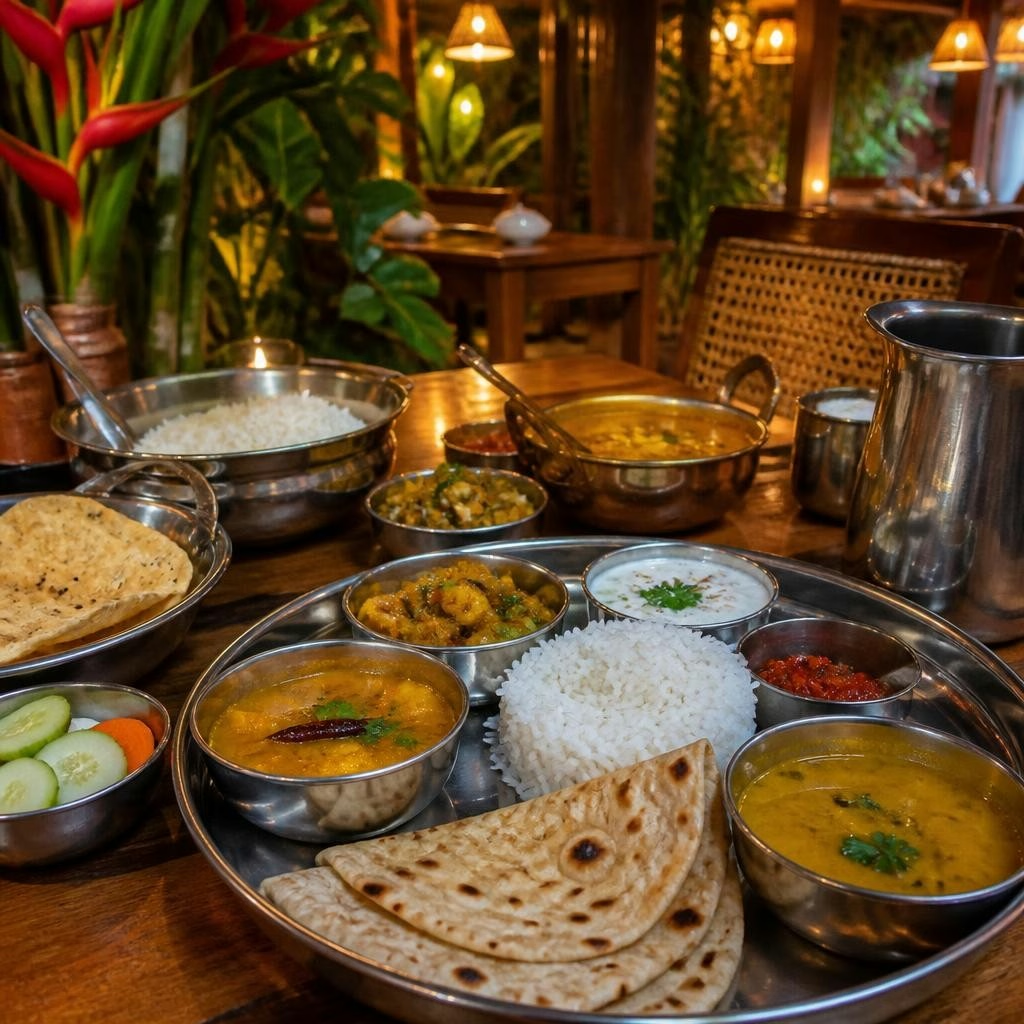
Guests repeatedly describe the food at Panchamrit as tasting like an Indian household because of thoughtful seasoning, fresh ingredients, and traditional preparations. The kitchen focuses on clean, uncomplicated methods—soft rotis and chapatis, perfectly cooked dals, gently spiced sabjis—that highlight natural flavours rather than overwhelming them with oil or heavy sauces. That restraint and attention to balance is what many diners call “home‑cooked”: familiar textures, clear seasoning, and dishes that pair together the way a family meal would.
Dishes that often feel like home on a plate
If you want dishes that are most commonly mentioned by satisfied guests, start with a sattvik or thali-style selection to taste several homey preparations at once. Popular single dishes include classic dosas and parathas (well executed and soft), dal preparations that showcase proper seasoning, paneer dishes and baingan bharta that carry comforting smoky and savory notes, and regional favourites such as dal baati. Many reviewers also praise lighter, balanced options like vegetable sabjis and thoughtfully composed chaats—great choices when you want something familiar but not heavy.
Adapting to Indian dietary practices and preferences
Panchamrit is built around a pure vegetarian menu and frequently accommodates specific Indian dietary needs. Several visitors have appreciated Jain options (meals without onion and garlic) and other customisations that mirror home cooking traditions. If you follow a vegan, gluten‑free, or religiously restricted diet, the staff are reported to be attentive and willing to adapt dishes—don’t hesitate to ask at the time of ordering for substitutions or to request milder or stronger seasoning according to your preference.
The Ayurvedic approach: balance and nourishment
Beyond replication of regional recipes, Panchamrit frames its menu through Ayurveda—what the restaurant describes as the ‘Five Nectars’ approach and an emphasis on the Shad Rasas (taste balance). That philosophy translates to plates designed to feel restorative: a mix of sweet, sour, salty, pungent, bitter and astringent elements, with an eye toward mental clarity and gentle digestion. For travellers seeking meals that are both emotionally comforting and easy on the system after long travel days, this balanced approach can be especially welcome.
Hospitality and the personal touch
Multiple guests highlight the warmth of the team and the visible involvement of the chef in guest experience—elements that contribute to the home‑style feeling. Attentive service, friendly explanations of dishes, and help with menu choices make it easier for visitors to find what will feel most like home. If you want recommendations, mention what you miss most—comforting dal, soft chapatis, or a particular regional flavour—and the staff are likely to suggest a satisfying combination.
Tips for getting the most comforting meal
To ensure a meal that matches your expectations, consider these practical tips: order a thali or a sattvik platter to sample several home‑style dishes; request chapatis if you prefer them over other bread options; ask the kitchen to adjust spice levels or salt to your taste; and inquire about Jain or other dietary modifications at ordering. If you have a particular childhood favourite, describe its flavours briefly and the staff can often recommend a close match. Note that while many diners praise the balanced, subtle seasoning, a small number prefer stronger spices—so don’t hesitate to request bolder flavours if that’s what you miss.
Where to find Panchamrit and when to visit
Panchamrit Ayurvedic Indian Vegetarian Cuisine is located in central Ubud and serves a broad range of visitors, including travellers and residents of Gianyar Regency and surrounding areas. The restaurant’s calm atmosphere and focus on nourishing, vegetarian fare make it a natural stop for anyone craving familiar Indian home cooking while in Bali. For the best experience, plan a visit when you have time to sit and enjoy multiple courses; the balanced, thoughtfully prepared dishes are designed to be savoured rather than rushed.
Article by
Panchamrit
"Panchamrit" Meaning the "Five Nectars" is the guiding principle used to prepare Nectar like Ayurveda Inspired Indian Cuisine. At Pachamrit, we strive to serve a wholesome nourshing diet that enhances mental clarity and promotes emotions like compassion, kindness, love, forgiveness, empathy. Our Pure Vegetarian menu features fresh fruits, vegetables, whole grains, and ethically sourced dairy. Embracing Ayurvedic principles, we balance all six essential tastes - ''Shad Rasas'' - sweet, sour, salty, pungent, bitter, and astringent - to rejuvenate both body and mind. "Because we cannot scrub our inner body we need to learn a few skills to help cleanse our tissues, organs, and mind. This is the art of Ayurveda."