Planning a Repaint in an Occupied Dubai Home: Coordinating Painting with Minor Repairs and AC Work
Practical, step-by-step guidance for Dubai tenants and owners who must stay in their home during repainting—covering sequencing of AC servicing, small masonry and carpentry repairs, room-by-room painting, dust control, furniture protection and worker communication to minimize disruption.

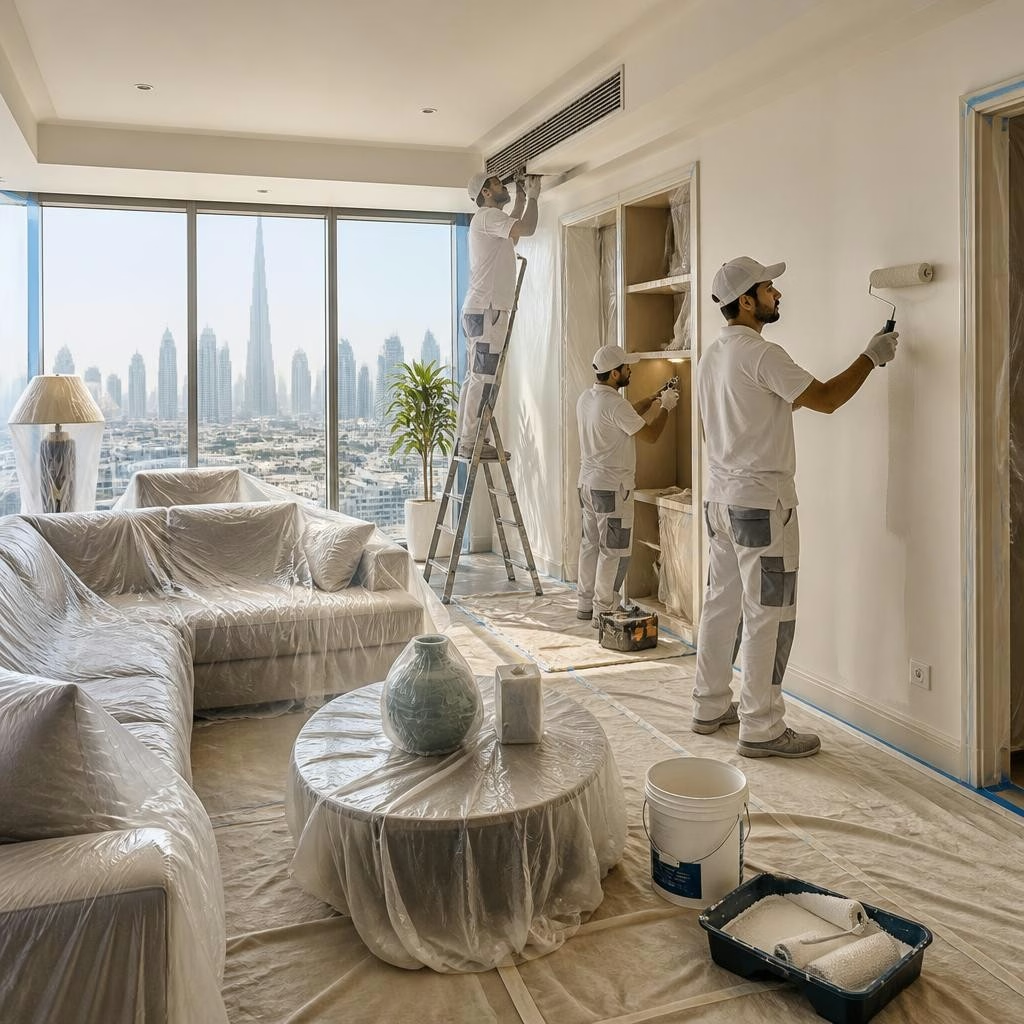
Why careful planning matters for occupied homes
Repainting while living in a home can be done with minimal disruption if you plan the process in detail. For residents in Dubai’s apartments and villas, coordinating paint work with minor repairs and AC servicing reduces repeat visits, limits dust and odors, and shortens total downtime. A clear plan helps trades work efficiently and keeps everyday life functioning—especially important in hot months when functioning AC is essential.
Start with a focused inspection and scope
Begin with a walkthrough that lists what must be done beyond painting: small wall patching, squeaky drawers, stuck curtain rails, loose skirting, or AC faults. A single, combined inspection by a maintenance contractor prevents surprises. It also allows the team to sequence tasks logically (for example, fixing wall damages before painting) and to give an accurate timeline and checklist so you know what to expect each day.
Sequence work: service AC before painting where needed
If AC units or ducts need service, schedule that step early. Cleaning coils, checking leaks, or repairing vents before painting avoids exposing fresh paint to grease, dust, or repair debris. In units where AC service is minor (thermostat or filter changes), technicians can often work around painting. For more extensive HVAC work, aim to complete it at least one day before painting to allow cleanup and airflow testing.
Address minor masonry and carpentry repairs first
Small wall chipping, holes, loose skirting or door adjustments should be completed and allowed to cure before paint arrives. Skilled handymen can typically perform these repairs on the same visit as the inspection and will leave surfaces sanded and primed. This reduces the risk of painters having to stop mid-job for fix-ups and ensures a uniform final finish.
Adopt a room-by-room painting strategy
Painting room by room limits disruption and keeps much of the home usable. Start with less-used rooms or hallways, then move to living areas and bedrooms. Coordinate work so bedrooms are painted when occupants can sleep elsewhere for one night if needed, and avoid painting large shared spaces at the same time. This staged approach also makes cleanup and air circulation management easier.
Protect furniture and floors like a professional
Good teams use fitted coverings, drop sheets, and secure masking on skirting, fixtures and windows. For occupied homes, request protective coverings that allow daily access to essential items—folded and stacked rather than removed—so you can keep using the space. Clear labeling of covered items and providing temporary storage zones in unaffected rooms reduce stress and speed up clean-up at the end of each day.
Minimize dust and control air quality
Dust control is essential in occupied properties. Ask for measures such as sealing door thresholds, using dust barriers, and employing HEPA-filter vacuums during sanding. If duct cleaning, mold treatment or coil cleaning is part of the scope, schedule those services before painting to prevent redeposit of dust on new paint. Many residents report appreciation when teams leave spaces cleaner than they found them—this is realistic with disciplined practices.
Daily handover and communication with occupants
A reliable contractor provides a daily summary of completed tasks and next-day plans. Confirm arrival windows, expected noisy activities, and access needs for each room. Communicate any safety considerations, such as wet paint or fresh plaster. Clear, polite communication reduces misunderstandings and gives occupants confidence that the job is progressing as agreed.
Safety, ventilation and working around families
Ensure the painter uses low-VOC or recommended paints suitable for occupied spaces and keeps windows open when possible to ventilate fumes. For families with children, elderly residents or people with sensitivities, arrange for painters to work on areas away from high-traffic paths and schedule more intensive tasks when occupants can be temporarily elsewhere. Basic PPE for workers and clear signage for wet zones help maintain safety.
Final checks, snagging and routine maintenance follow-up
After painting, walk the home with the contractor to identify any touch-ups or missed spots (snagging). Confirm that any AC or repair work was tested and that affected areas are clean. Ask about recommended maintenance intervals—regular AC checks, duct cleaning or water tank cleaning where applicable—to protect finishes and indoor air quality. Customers who combine painting with AC and minor repairs often find the bundled approach saves time and produces a better long-term result.
Customer review


Article by
PPK Contracting - Commercial and Residential Maintenance Services in Dubai, UAE
PPK Contracting is a home & building maintenance services in Dubai, UAE. We specialise in complete home and building maintenance, facilities management, and professional fit-out solutions for residential, commercial, and industrial properties. Our services include electrical and plumbing works, carpentry, painting and finishing, kitchen services, HVAC coil cleaning, pest control, landscaping, pressure washing, swimming pool maintenance, and more. With a skilled team and a focus on quality, safety, and timely delivery, PPK Contracting provides reliable maintenance and contracting solutions across Dubai.