Live Demos and Pilot Trials: How to De-risk Nanobubble and Ozone Technology Decisions
A practical guide for STP/ETP owners, farmers, and aquaculture operators in India on using on-site live demonstrations and pilot trials of nanobubble and ozone systems to validate performance, build internal buy-in, and plan lower-risk full-scale rollouts.
Why on-site demos and pilots matter
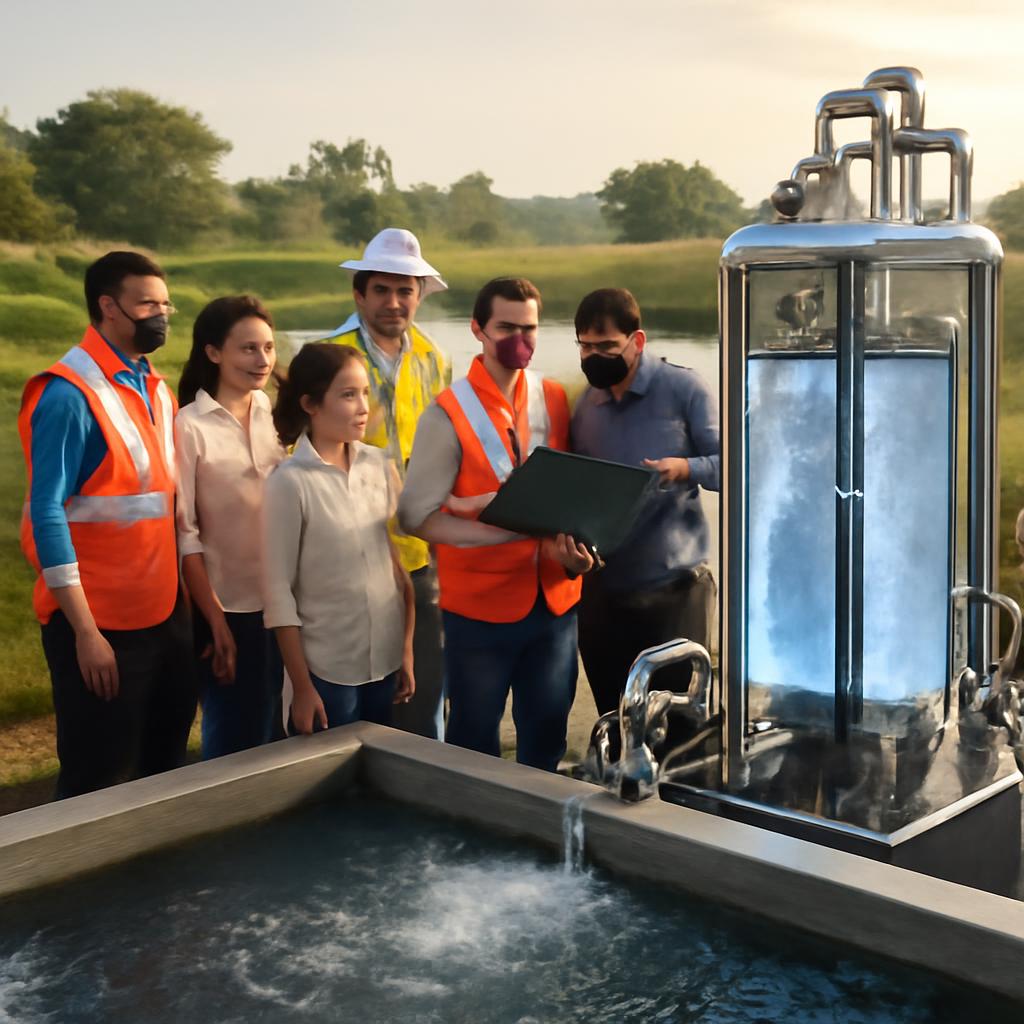
Advanced treatment technologies such as nanobubble generators, ozone systems and related oxidation processes can deliver tangible benefits—but site conditions, influent variability and operational practices determine actual outcomes. On-site live demonstrations and pilot trials let owners and operators observe real performance under local conditions, test integration with existing processes, and reduce uncertainty before committing to full-scale investment.
What objectives to set before you start
Clarify the specific outcomes you want the demo or pilot to address. Common objectives include verifying improvements in oxygen transfer and organic load removal, checking reductions in sludge production or chemical dosing needs, assessing impacts on turbidity and suspended solids, and confirming any biological or disinfection benefits. Setting clear, measurable goals up front makes it straightforward to decide whether the technology meets your needs.
Key parameters to measure
Collect both baseline and ongoing measurements for meaningful comparison. Useful analytical parameters include dissolved oxygen (DO), biochemical oxygen demand (BOD) or chemical oxygen demand (COD), total suspended solids (TSS) or turbidity, sludge volume indicators, pH, and basic microbial indicators where relevant. Operational metrics—energy use, chemical consumption, and maintenance interventions—are equally important for assessing lifecycle impact and value.
Planning and logistics for a successful pilot
Start with a site visit and baseline sampling to map influent composition and flow patterns. Choose a representative treatment stream or a side-stream loop for the trial so results are comparable to normal operation. Define responsibilities (operator, vendor technician, laboratory), safety and compliance checks, and a realistic monitoring schedule. Ensure samples are taken consistently and that any temporary piping, pumps or sensors are installed to industry-standard practices to avoid skewed results.
Running the trial and collecting reliable data
Operate the pilot under normal plant conditions whenever possible; where you must make operational adjustments, document them carefully. Use control points (untreated stream or historical baseline) alongside treated points to isolate effects. Maintain straightforward records: timestamps, operating settings, sample IDs, and raw lab results. Regular visual checks—foam, odour, sludge settleability—paired with analytical data will give a fuller picture than either alone.
Interpreting results and planning scale-up
Evaluate data against the objectives set at the start: did DO and COD/BOD trends improve as expected? Were reductions in sludge, solids or chemical dosing observable and repeatable? Consider operational stability, ease of integration, maintenance needs, and any changes to process control. Use pilot findings to refine design parameters (flow capacity, contact time, equipment layout) and to build a clear business case for scale-up that includes operational benefits as well as capital implications.
Working with a technology partner: practical next steps
When arranging a demo or pilot, choose a partner who will support baseline assessment, operate the pilot, and hand over clear data and recommendations. Customers have reported that seeing a live demonstration can be decisive when evaluating these systems; one customer specifically described a live demo of the company’s nanobubble technology as highly persuasive. Prasinos Tech Innovations offers nanobubble, ozone and other advanced treatment platforms and can coordinate on-site demonstrations in India, bring technical staff to run trials, and help translate pilot results into a site-specific rollout plan. Contact the vendor to discuss objectives, available pilot formats, and the practical requirements for your site so you can move to a lower-risk, well-documented decision.
Customer review


Article by
Prasinos Tech Innovations
Prasinos Tech Innovations Private Limited is an OEM at the forefront of sustainable environmental technologies. We specialize in the design and manufacturing of advanced systems including nanobubble generators, ozone generators, hydrodynamic cavitation units, and advanced oxidation processes (AOP) tailored for critical applications in sewage treatment plants (STP), effluent treatment plants (ETP), and water and wastewater treatment plants (WWTP). Our technologies are engineered to deliver high-efficiency, low-footprint solutions across diverse sectors such as aquaculture, agriculture, horticulture, and the bioenergy industry, including biogas and biodiesel production.