Ayurveda for Stress and High Blood Pressure: How Lifestyle Healing in Ubud Can Support Better Balance
An evidence‑aware guide to how lifestyle‑based Ayurvedic approaches — diet, rest, breathwork, gentle therapies and personalised care — are used at a Panchakarma retreat in Ubud to help manage stress and support healthier blood‑pressure trends, with practical advice for people considering a stay.

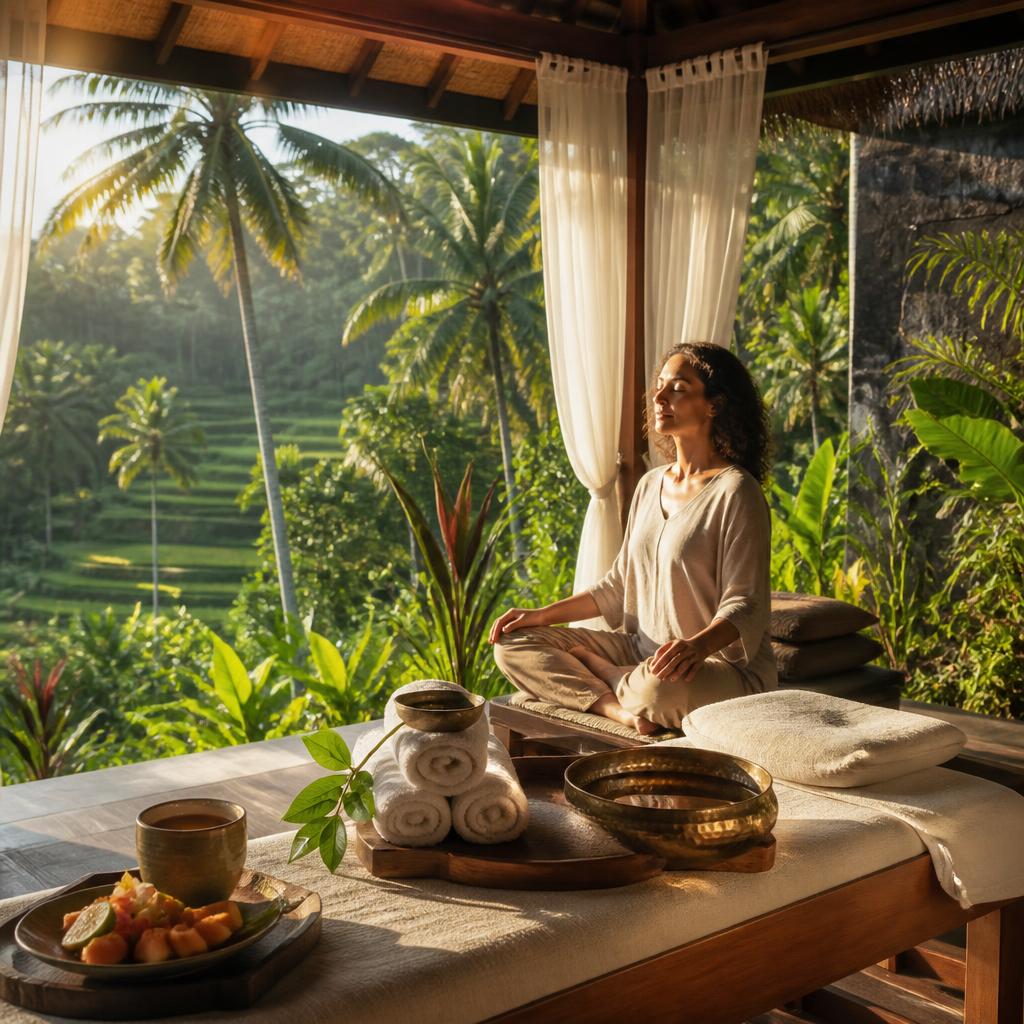
Why people come to Ubud for lifestyle healing
Many visitors travel to Ubud seeking more than a holiday: they want a sustained break from chronic stress, structured time for recovery, and practical lifestyle guidance. Rudra Sahashrara Bali positions itself as an Ayurvedic health and wellness resort that combines Panchakarma programs, daily doctor consultations and a calm environment (rice‑field views, yoga studio and an infinity pool) to give guests space and clinical oversight while they work on body and nervous‑system balance.
How Ayurveda frames stress and elevated blood pressure
In Ayurvedic terms, prolonged mental tension and an overactive nervous system are seen as drivers of imbalance that may show up as sleep disruption, digestive symptoms, or higher blood‑pressure readings. Ayurvedic care therefore focuses on restoring equilibrium through daily routine, calming breath and movement, targeted therapies, and food tailored to an individual’s constitution — all intended to reduce the chronic drivers of stress rather than promising a single quick fix.
Core lifestyle elements used to support stress and blood‑pressure control
Programs emphasise several complementary practices: a gentle, warm and nourishing diet chosen for your constitution; regulated sleep and daily rhythm; guided pranayama (breathwork) and restorative yoga to lower sympathetic arousal; paced, low‑impact activity to improve circulation; and oil‑based Ayurvedic therapies and massage to promote relaxation. These components are combined with rest, reduced screen time, and reflective practices such as journaling or meditation — all intended to reduce overall physiological stress.
What a personalised Panchakarma program looks like at Rudra Sahashrara
Guests at the resort receive an initial medical consultation and ongoing daily reviews with an Ayurvedic doctor, who adapts treatments and meals throughout the stay. The Ashtalaxmi spa provides traditional therapies (for example personalised oil massages), the Panchamrit restaurant prepares vegetarian meals guided by Ayurvedic principles, and the schedule typically includes daily yoga, pranayama and supervised therapies. Reviews consistently highlight the hands‑on involvement of the doctors, the careful training of therapists, and the chef’s ability to create nourishing, dosha‑appropriate menus.
Guest experiences: calmer nerves and measurable changes
Many guests describe clear subjective benefits: lower anxiety, better sleep, steadier digestion and a calmer nervous system. One guest reported a measurable drop in blood‑pressure readings during their stay, which they attributed to the combined program of therapies, diet and rest. Other visitors have similarly noted that blood pressure and overall well‑being 'settled' after a period of treatments combined with daily medical oversight. These are individual reports rather than universal guarantees, but they illustrate the kinds of outcomes people commonly seek at a Panchakarma retreat.
Practical advice before you book
If you have diagnosed hypertension or take medication, bring recent medical records and medication details and plan to coordinate care with both your home physician and the retreat’s Ayurvedic doctor. Do not stop prescribed medicines without medical approval. Consider the program length carefully: reviews reference short stays (several days), week‑long retreats and much longer Panchakarma courses (two weeks or more) — deeper physiological shifts are generally reported after longer, consistent programs. Also check practical details in advance (dietary preferences — the resort’s cuisine is vegetarian and Ayurvedic‑based, accessibility needs, and any mobility constraints) so expectations align with the retreat setting.
Making an informed decision and next steps
Ayurvedic lifestyle work can be a valuable complement to conventional medical care for people wanting to address stress and its effects on the body. If you are considering a stay at Rudra Sahashrara Bali or a similar Panchakarma program, ask about the doctor’s approach to managing hypertension, how daily monitoring is handled, sample meal plans and an outline of typical therapies. Keep expectations realistic: many guests report meaningful improvements in stress and some measurable changes in blood‑pressure while under supervised care, but individual responses vary. Coordinate care with your physician, and plan your retreat length and follow‑up so benefits are sustained after you return home.
Customer review


Article by
Rudra Sahashrara Bali
Opened in December 2023, Rudra Sahashrara Bali is a new Ayurvedic health and wellness resort located in the heart of Ubud, Bali. The resort offers a serene escape with stunning ricefield views, featuring artistic design, an infinity pool, and a yoga studio. Guests can indulge in Ayurvedic treatments at the Ashtalaxmi spa and enjoy delicious vegetarian meals inspired by Ayurvedic principles at the Panchamrit restaurant. Rudra Sahashrara Bali offers Panchakarma programs, combining traditional Ayurvedic practices with the tranquility of Bali's natural beauty.