Ayurvedic Resorts vs Regular Spa Hotels in Ubud: 7 Key Differences to Know Before You Book
A clear, practical guide comparing Ayurvedic health resorts and conventional spa hotels in Ubud, highlighting seven differences—medical oversight, personalized Panchakarma programs, vegetarian menus, daily routines, amenity trade-offs, stay length, and what to ask before you book—using experiences at Rudra Sahashrara Bali as context.

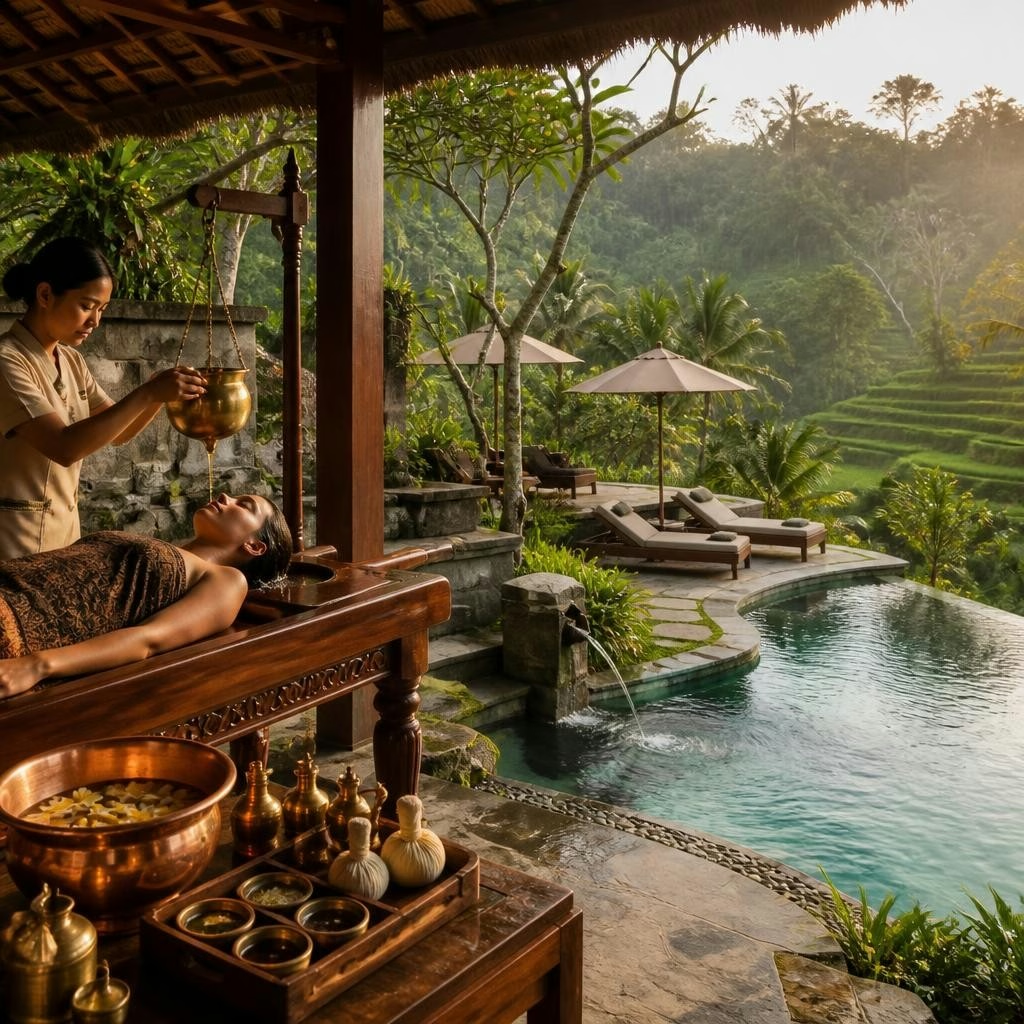
Why this comparison matters in Ubud
Ubud offers a wide range of places promising rest and renewal, from conventional spa hotels to purpose-built Ayurvedic health resorts. If your priority is clinical-style, long-form restorative care rather than a single pampering treatment, knowing the practical differences will help you choose the stay that best meets your goals. This article outlines seven key contrasts and explains how they affect the day-to-day experience at an Ayurvedic property such as Rudra Sahashrara Bali.
1. Medical oversight and daily consultations
A defining feature of Ayurvedic resorts is clinical involvement: in-house Ayurvedic doctors who assess your condition and adapt the program. At Rudra Sahashrara Bali, guests consistently note regular doctor consultations as part of Panchakarma programs. One long-stay guest described receiving comprehensive prescriptions and daily adjustments from the resident doctor, which is very different from the occasional therapist chat you might get at a typical spa hotel.
2. Tailored, program-based treatments versus standalone spa sessions
Ayurvedic retreats organize treatment plans as integrated programs rather than one-off massages. Panchakarma at Rudra Sahashrara combines multiple therapies, herbs, and lifestyle guidance scheduled over days or weeks and adapted to each guest’s needs. Reviewers report that this personalized sequencing—supervised by therapists and the doctor—produces cumulative benefits in ways that single spa treatments generally do not.
3. Dietary approach: Ayurvedic vegetarian cuisine
Food is therapeutic at an Ayurvedic resort. Rudra’s Panchamrit restaurant focuses on vegetarian Indian cuisine prepared with Ayurvedic principles and is often tailored to individual dosha needs. Guests frequently praise the food as nourishing and carefully planned, and the resort also offers cooking classes so visitors can learn how to recreate Ayurvedic meals—something you’re unlikely to find at a standard spa hotel offering varied international menus.
4. Daily routines, rest and digital expectations
Ayurvedic programs emphasize consistent daily routines—sleep and meal timing, morning consultations, meditation and yoga—that support treatment outcomes. Several guests mention structured schedules and practices such as journaling and reduced screen time. Rudra Sahashrara intentionally limits certain in-room conveniences (for example, some rooms do not include a TV) to encourage rest and presence; that trade-off supports the therapeutic intent but differs from the typical hotel experience.
5. Amenities and the design focus
Conventional spa hotels often prioritize broad leisure amenities: extensive entertainment, large pools, gyms and city-access convenience. Ayurvedic resorts prioritize a healing environment—serene design, treatment suites, yoga spaces and intimate pools. At Rudra Sahashrara guests highlight artistic architecture, calm ricefield views and an infinity pool that complement the medical and therapeutic focus, rather than replacing it with mainstream resort entertainment.
6. Duration and level of commitment
Expect different time commitments. Ayurvedic programs, especially Panchakarma, are most effective when undertaken over several days or weeks; reviews cite stays of two weeks to nearly a month where guests achieved measurable health improvements. If you seek quick relaxation, a single-day spa package may suffice; if you want systemic change, plan for a longer stay and be prepared to follow the prescribed regimen closely for best results.
Practical tips for choosing and preparing
Decide on your outcome first: quick relaxation or a therapeutic reset. Before booking an Ayurvedic resort like Rudra Sahashrara Bali, ask about doctor involvement, how treatment plans are personalized, dietary arrangements and whether your stay includes daily consultations. Confirm practical details such as room amenities (for example TV availability), wifi needs and treatment scheduling. If you commit to a program, arrive ready to limit screens, follow the recommended routine and allow several days for the therapies to take effect. These steps will help ensure the experience aligns with your expectations and maximizes the potential benefits.
Customer review


Article by
Rudra Sahashrara Bali
Opened in December 2023, Rudra Sahashrara Bali is a new Ayurvedic health and wellness resort located in the heart of Ubud, Bali. The resort offers a serene escape with stunning ricefield views, featuring artistic design, an infinity pool, and a yoga studio. Guests can indulge in Ayurvedic treatments at the Ashtalaxmi spa and enjoy delicious vegetarian meals inspired by Ayurvedic principles at the Panchamrit restaurant. Rudra Sahashrara Bali offers Panchakarma programs, combining traditional Ayurvedic practices with the tranquility of Bali's natural beauty.