Nervous System Reset in Ubud: A Day‑by‑Day Look at an Ayurvedic Retreat
A practical, day‑by‑day guide to how a structured Ayurvedic program in Ubud—combining consultations, breathwork, therapies, nourishing meals and rest—can help calm an over‑stressed nervous system and restore balance.

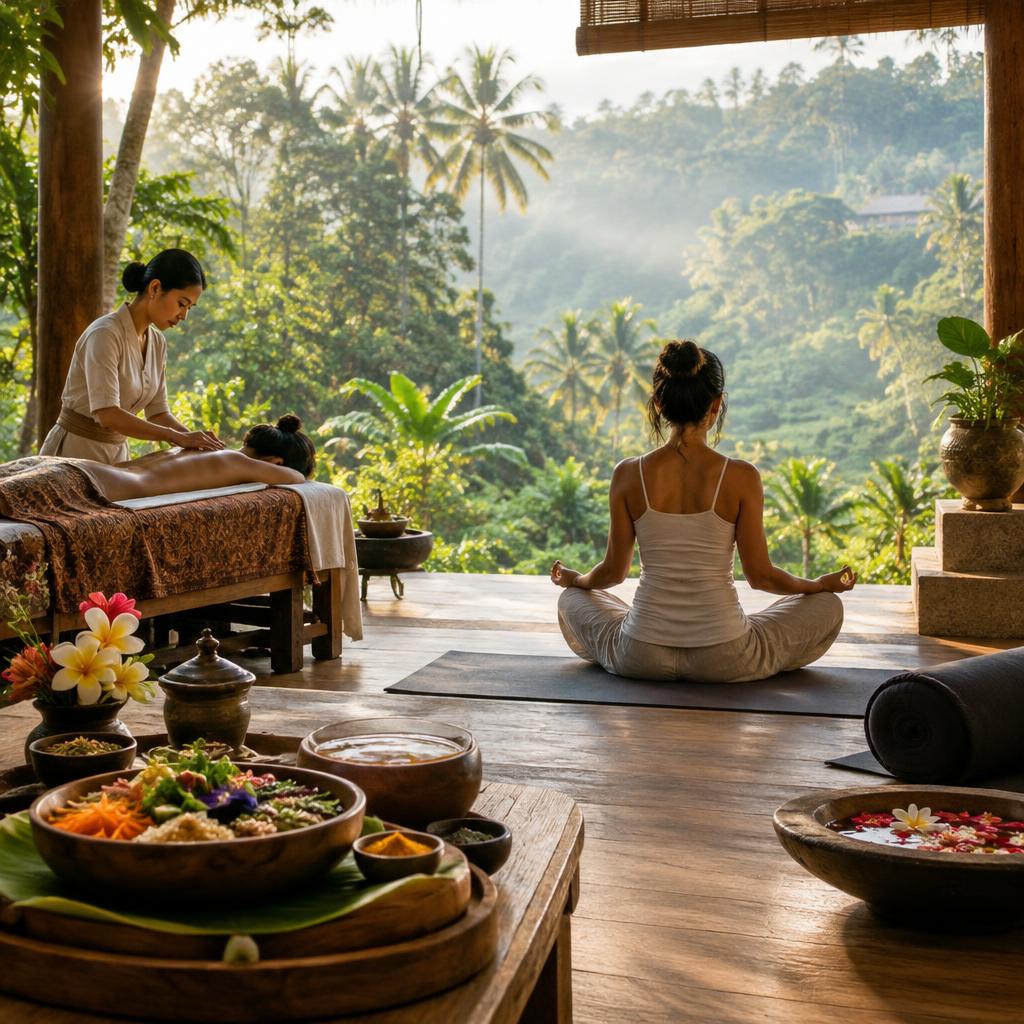
Why an Ayurvedic rhythm helps the nervous system
A nervous system reset is less about a single treatment and more about a predictable daily rhythm: consistent wake times, guided breathwork, movement, targeted therapies, tailored meals and deliberate rest. Ayurvedic retreats in Ubud that offer Panchakarma programs and daily routines create a steady environment that reduces sympathetic overdrive (the ‘‘go’’ response) and encourages parasympathetic recovery (the ‘‘rest and digest’’ response). Guests frequently report feeling calmer and more grounded after several days as the body and mind adapt to that steady cadence.
Arrival and the initial medical consultation
A structured reset typically begins with a thorough intake and medical consultation. On arrival you meet the Ayurvedic doctor who assesses your current state, asks about sleep, digestion, stress triggers and prior treatments, and then recommends a personalized plan. Multiple guests have highlighted careful, unhurried consultations that shape daily therapy choices and dietary recommendations—an essential foundation for safe, intentional nervous system work.
Morning: gentle practices to shift the baseline
Mornings are deliberately slow and supportive. Expect guided pranayama (breathwork) and gentle yoga classes that focus on breath, grounding postures and attention rather than vigorous flow. These sessions are designed to lower reactivity, restore breath‑body connection, and set a calmer tone for the day. Practiced consistently, morning breathwork and movement are often the first activities guests notice producing a steadier emotional baseline.
Therapies and treatments: how they build on each other
Therapies are scheduled throughout the day according to your individualized plan. Traditional Ayurvedic treatments—such as abhyanga (oil massage), medicated oils, and other Panchakarma procedures—are selected and supervised by the medical team. When delivered in a structured sequence, these treatments support detoxification, soothe musculature and nervous tissue, and promote restorative sleep. Many guests report incremental shifts: better sleep in the first week, calmer moods by the second, and a clearer sense of energy returning over longer stays.
Meals, rest and the role of daily structure
Nutrition and scheduled rest are integral. Meals are prepared according to Ayurvedic principles and often tailored to your dosha or digestive needs; this predictable, nourishing eating pattern supports digestion and reduces metabolic stress. Between therapies you’ll be encouraged to rest, read, or enjoy quiet time by an infinity pool or ricefield view—deliberate downtime that prevents stimulation overload and helps the nervous system consolidate the day’s healing work.
Complementary activities that deepen reset
Many programs include complementary activities—guided meditation, sound healing, traditional purification rituals, cooking classes and gentle workshops—that add cultural context and practical tools for daily life. These offerings let you practice new habits (breathwork, mindful eating, simple rituals) in a supported environment so you can take them home. Guests often highlight how these classes and rituals enrich the core therapy experience and provide sustainable coping skills for stress.
What to expect and how to prepare
If you are seeking a nervous system reset, plan to arrive with an open expectation of structure and simplicity. Typical program lengths vary (guests have undertaken week‑long to multi‑week Panchakarma programs), and results accumulate over days. Practical considerations: the retreat setting emphasizes wellness‑focused features such as vegetarian Ayurvedic meals and a calm atmosphere; there may be limited late‑night services and simple on‑site living conditions. A recent guest described arriving burnt out and leaving feeling renewed after a multi‑night stay—an example of how personalized care, consistent daily rhythm and expert guidance combine to help nervous system recovery. Before booking, discuss your medical history with the retreat team so they can tailor a safe plan and set realistic timelines for your goals.
Customer review


Article by
Rudra Sahashrara Bali
Opened in December 2023, Rudra Sahashrara Bali is a new Ayurvedic health and wellness resort located in the heart of Ubud, Bali. The resort offers a serene escape with stunning ricefield views, featuring artistic design, an infinity pool, and a yoga studio. Guests can indulge in Ayurvedic treatments at the Ashtalaxmi spa and enjoy delicious vegetarian meals inspired by Ayurvedic principles at the Panchamrit restaurant. Rudra Sahashrara Bali offers Panchakarma programs, combining traditional Ayurvedic practices with the tranquility of Bali's natural beauty.