What New Restaurateurs in Abu Dhabi Should Know About Grease and Waste Management
Practical guidance for new restaurant owners in Abu Dhabi on choosing grease traps, waste bins, and washing stations to comply with local rules, avoid blockages, and keep back‑of‑house areas clean and safe.

Why grease and waste management matters for new restaurants
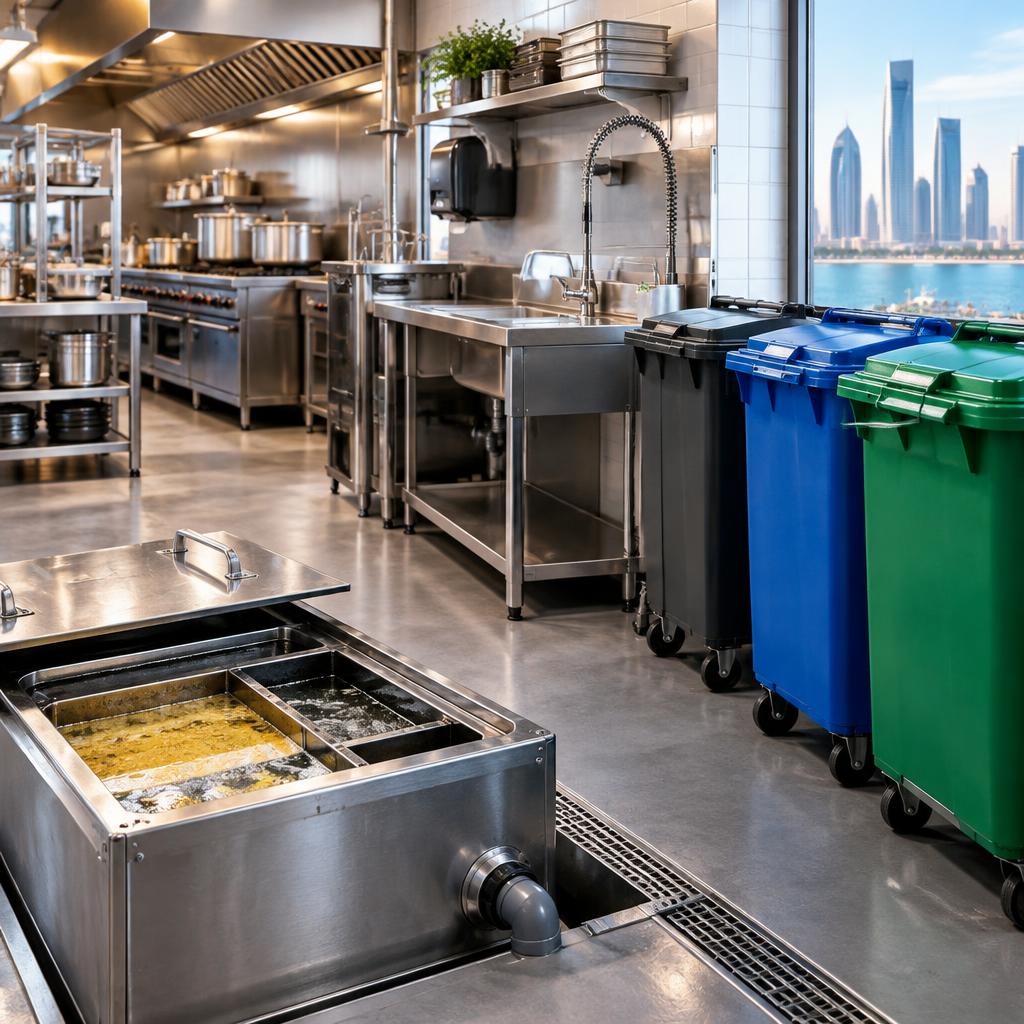
Proper grease and waste management is essential for foodservice operations. Poorly managed fats, oils and grease (FOG) and incorrectly handled solid waste cause blocked drains, unpleasant odours, hygiene risks, and costly downtime. For a new restaurant in Abu Dhabi, establishing the right systems from opening day reduces the risk of municipal penalties, protects kitchen equipment, and supports a safe, efficient back‑of‑house workflow.
Understanding local requirements and where to start
Abu Dhabi’s municipalities and waste authorities set rules around grease interceptors, waste separation, and licensed disposal. Requirements can include approved equipment types, minimum access for cleaning, and documentation for waste removal. Before selecting equipment, contact the relevant municipal authority or a licensed consultant to confirm current specifications and permit needs; use those requirements as the baseline for equipment sizing, placement and service contracts.
Types of grease control equipment: what to consider
There are common options for controlling FOG: in‑line grease traps (passive gravity interceptors) installed under sinks or in mechanical rooms, and automatic grease removal units that actively separate and remove grease. Selection should be based on kitchen layout, menu (fat content and volume), and peak flow conditions. For many commercial kitchens, stainless steel interceptors are preferred for durability and hygiene; SAS Kitchens lists stainless steel grease and waste solutions designed for commercial use, which can be a practical choice for long‑term performance.
Sizing grease traps correctly
Correct sizing prevents overflows and frequent blockages. Rather than relying on guesswork, size equipment using the expected peak flow and the grease‑producing characteristics of your menu and preparation processes. Work with a qualified plumbing engineer or supplier who can calculate flow rates and recommend the right capacity and configuration. Ensure the selected unit provides adequate retention time for grease to separate and has clear access points for inspection and cleaning.
Placement, installation and integration with plumbing
Location and installation details matter. Grease interceptors should be installed where they are accessible for routine cleaning and maintenance but away from food prep or customer areas. Floor drains and sink connections should be configured to avoid long runs that allow grease to cool and solidify in pipes. Consider adding accessible manholes or inspection ports and ensure installations follow local plumbing codes. Professional installation helps avoid common mistakes that lead to early failure or regulatory non‑compliance.
Designing washing stations and sinks to reduce FOG entry
Washing stations should be laid out to minimize grease entering drains. Use pre‑rinse sinks with strainers and built‑in grease containment, and consider separate handwash sinks as required by health regulations. Durable stainless steel wash stations and undercounter chiller or waste collection components make cleaning easier and support hygiene. When selecting fixtures, prioritize smooth surfaces, rounded corners, and easy‑to‑remove strainers to simplify daily cleaning.
Operational best practices and maintenance schedule
Equipment performance depends on consistent operation and maintenance. Establish a cleaning schedule with frequency based on use: high‑volume kitchens typically require more frequent cleaning. Keep a maintenance log documenting cleanings, inspections, and any service visits. Train staff to avoid pouring cooking oil, coffee grounds, or heavy solids down drains and to use grease collection containers for used frying oil. Regularly inspect seals, baffles and access covers for damage and arrange professional servicing when needed.
Waste segregation and choosing a licensed disposal contractor
Segregating organic waste, recyclables and FOG is important for regulatory compliance and environmental management. Store used cooking oil in dedicated, labeled containers and arrange pickup with a licensed waste collector that serves Abu Dhabi. Do not dispose of grease with general waste in drains or bins. Verify the contractor’s documentation and collection receipts to demonstrate compliant disposal practices during municipal inspections.
Preparing for inspections and keeping documentation
Municipal or health inspections commonly review grease management equipment, maintenance records and waste disposal receipts. Keep equipment manuals, installation certificates, maintenance logs and waste pickup records organized for easy access. When planning your kitchen fit‑out, request specification sheets and installation details from suppliers so you can include them in permit applications and inspection files.
How SAS Kitchens can support your grease and waste strategy
For restaurateurs planning a new kitchen in Abu Dhabi, choosing durable, well‑built equipment simplifies compliance and day‑to‑day operations. SAS Kitchens offers stainless steel grease and waste solutions, wash stations and plumbing‑compatible fixtures tailored for commercial use. Customers frequently praise the company’s product durability, timely delivery and warranty support, which can be helpful when commissioning a new kitchen and arranging maintenance. While suppliers can provide suitable equipment and installation, always confirm technical specifications and local compliance with a licensed engineer and the municipal authority before finalizing purchases.
Article by
SAS Kitchens - Commercial Kitchen Equipment
SAS Kitchens is a trusted provider of high-quality stainless steel commercial kitchen equipment in the UAE. We specialize in designing, manufacturing, and installing durable, high-performance kitchen solutions for restaurants, cafés, hotels, and food service businesses. With a focus on precision craftsmanship, functionality, and hygiene, our equipment is built to withstand the demands of professional kitchens. Our experienced team is committed to delivering reliable service, timely project execution, and tailored solutions that meet each client’s operational needs. At SAS Kitchens, customer satisfaction, product durability, and professional support are at the core of everything we do.