Technical SEO for Fast-Paced Manhattan Users: Speed and Mobile Fixes That Boost Conversions
Practical, prioritized technical SEO and mobile usability steps—focused on site speed and Core Web Vitals—that busy Manhattan visitors notice first, with before/after scenarios and an easy rollout plan for local businesses.

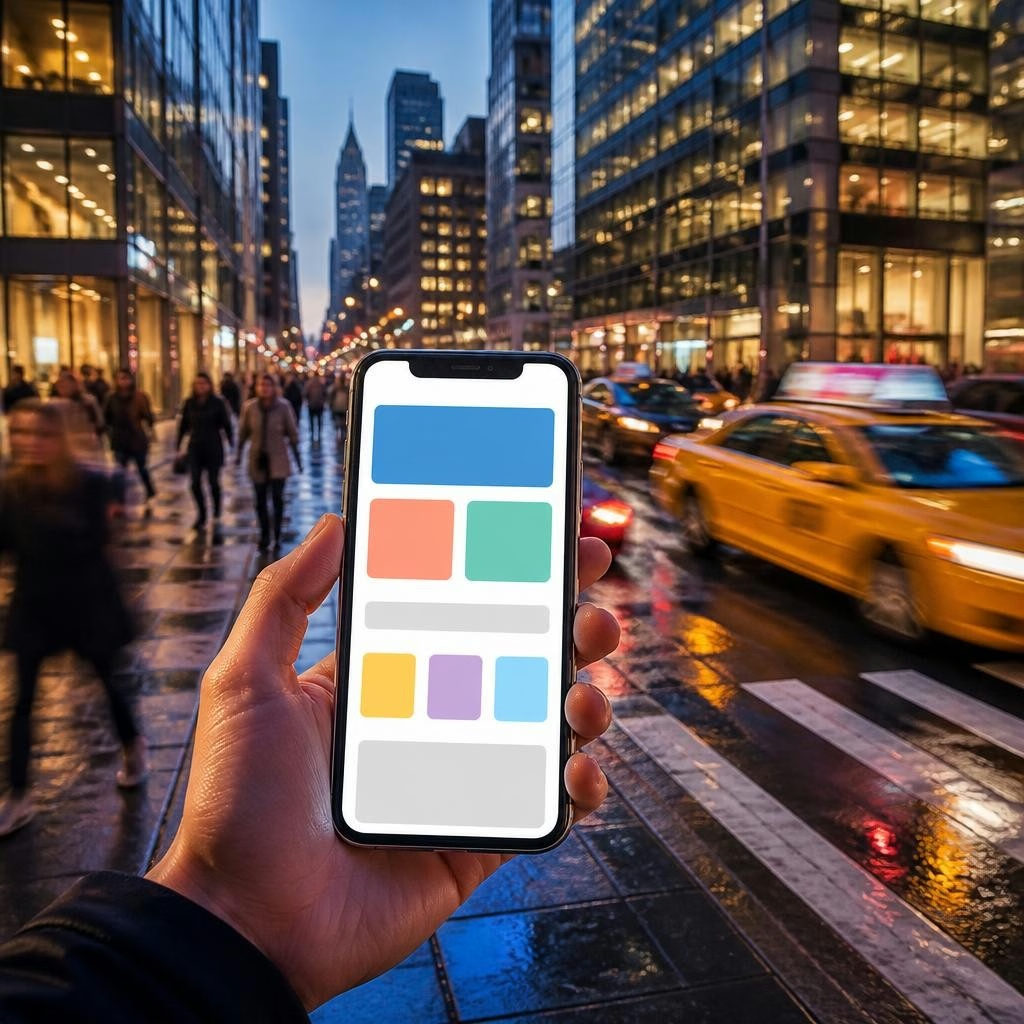
Why Manhattan Browsers Need Faster, Cleaner Pages
New York visitors are often on the move: checking a map while walking, researching a service between meetings, or calling a business from transit. Slow pages and clumsy mobile layouts lose attention immediately. For Manhattan businesses, speed and mobile usability directly affect visibility, user trust, and conversions. Fast, usable sites keep visitors engaged and make local SEO and GMB efforts more effective.
Core Web Vitals in Plain English
Core Web Vitals measure real user experience: Largest Contentful Paint (LCP) captures when a page looks useful, Cumulative Layout Shift (CLS) tracks unexpected visual movement, and Interaction to Next Paint / INP (evolving from FID) reflects responsiveness. Improving these metrics reduces friction for users on cellular networks and crowded city Wi‑Fi, and helps search engines evaluate page quality.
Typical Before/After Scenarios Manhattan Businesses See
Before: a local services page with heavy images, slow server, and multiple third‑party scripts takes several seconds to show content on mobile — users abandon and call a competitor. After: images are optimized, caching and a CDN are enabled, and critical CSS is in place; the page renders quickly on phones, visibility and click-through improve, and more visitors convert to calls or form leads. These qualitative shifts match what clients report when technical SEO and site design are aligned.
Top Speed Issues That Hurt Mobile Users
Common culprits that slow mobile pages include unoptimized images, render-blocking JavaScript and CSS, slow server response times, no caching or CDN, large web fonts blocking rendering, excessive third‑party scripts, and missing responsive images. Any one of these can push LCP and interactivity well past acceptable thresholds on a busy commute connection.
Quick Priority Fixes You Can Do First
Start with fast, high-impact steps: compress and serve images in modern formats (WebP/AVIF where supported) and add responsive srcset; enable gzip/Brotli compression; set cache headers and use a CDN; lazy-load offscreen images and video; implement font-display:swap and preload critical fonts; defer nonessential JavaScript; and remove or delay low-value third‑party tags. These changes are often implementable through CMS plugins or minor template edits.
Technical Improvements That Require Development Time
Medium-term fixes that improve Core Web Vitals include inlining critical CSS and deferring the rest, reducing main‑thread work by minimizing heavy JavaScript bundles, server-side rendering for dynamic pages, optimizing database queries to shorten Time to First Byte, and splitting long tasks. These require developer attention but significantly improve LCP and INP on mobile.
Mobile Usability Adjustments That Boost Conversions
Beyond raw speed, mobile usability matters: ensure viewport meta is present, increase tap target sizes, keep visible font sizes readable without zooming, reduce intrusive interstitials, and ensure form fields are optimized for touch (autocorrect, input types). Streamline the mobile checkout or contact flow to reduce steps — fewer taps mean higher completion rates for users on the go.
How to Measure Before and After: Tools and KPIs
Use Lighthouse and PageSpeed Insights for lab and field data, Google Search Console’s Core Web Vitals report for real-user metrics, and WebPageTest or GTmetrix for detailed waterfall analysis. Track LCP, CLS, INP (or FID if still reported), Time to First Byte, First Contentful Paint, mobile bounce rate, and conversion actions (calls, form submissions). Compare 7–30 day averages before and after changes to see meaningful differences.
A Simple, Prioritized Rollout Plan
1) Audit (week 1): run Core Web Vitals, Lighthouse, and a tag audit to list quick wins. 2) Quick wins (weeks 1–2): compress images, enable caching/CDN, lazy load, remove unused plugins. 3) Mid-term (weeks 3–6): implement critical CSS, defer JS, optimize server response, and improve font delivery. 4) Long-term (ongoing): reduce third‑party reliance, adopt server-side rendering or progressive enhancement, and set up continuous monitoring and A/B testing for UX changes. Keep stakeholders informed with before/after KPI snapshots.
How a Local SEO & Website Team Can Help
Technical SEO must align with content and local strategy. Firms that offer technical SEO, local SEO, GMB optimization, and website design can combine speed fixes with on-page and local optimizations so improvements convert into visibility and leads. Working with a data-driven team lets you prioritize fixes that move the needle for Manhattan users and measure impact on traffic and conversions. If you’re evaluating partners, look for structured audits, clear timelines for quick wins, and ongoing monitoring to sustain Core Web Vitals gains.
Article by
SEO Tech Experts - Manhattan
SEO Tech Experts is a top-ranked digital marketing company in Manhattan, NYC, US providing a perfect internet marketing solution to your e-business. Our experts analyze the business in-depth, plan a strategy, and then implement it successfully. Have a look at the professional digital marketing services offered as mentioned. ✅ Digital Marketing Services ✅ SEO Services, Local and Technical SEO, GMB Ranking ✅ ORM Services ✅ Website Designing Services ✅ PPC Services ✅ SMO Services ✅ Guest Posting Services ✅ Doctors SEO, Healthcare Marketing ✅ Hospital/Clinic Marketing