Long-Term Impact of a Strong Primary Education in Ghaziabad: Lessons from Alumni Families
How years in a caring, activity-driven primary program shape study habits, values, confidence and school attachment — drawn from families whose children completed higher classes after long-term enrollment at a Ghaziabad school.
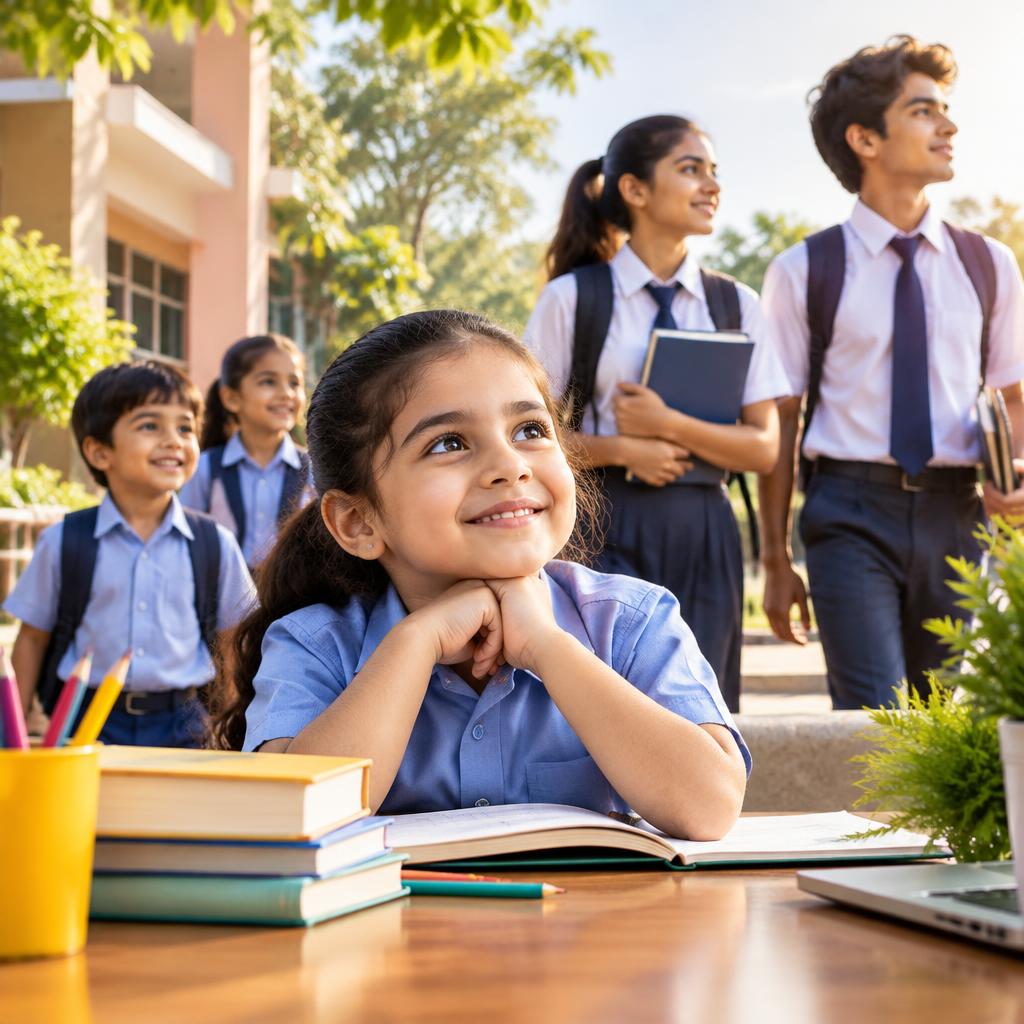
Why primary years set the trajectory
Primary school is where children form daily study routines, early social habits and their first lasting relationships with teachers and classmates. Families who keep a child in the same school through primary and into secondary often report that consistent expectations, regular teacher feedback and a stable learning environment make later schooling smoother — students arrive in higher classes already comfortable with classroom norms, time management and peer collaboration.
Study habits that last
Long-term enrollment encourages steady study habits rather than last-minute exam cramming. Parents who stayed with one school through their child’s Class 10–12 say teachers who give personalised attention and regular, constructive feedback help children develop reliable routines: homework planning, incremental revision and asking questions when they don’t understand. Those early habits become the foundation for independent learning in higher classes.
Values, discipline and classroom behaviour
Primary programmes that balance structure with encouragement tend to produce students who are disciplined and respectful in later years. Multiple parent reports point to improved manners, punctuality and classroom participation arising from a positive, well-managed primary environment. These soft skills make transitions to larger classes and new academic pressures less stressful for adolescents.
Confidence through extracurriculars and school events
Regular exposure to events, performances and skill labs builds confidence that shows up in higher classes. Parents described school activities — stage performances, creative studios and practical skill workshops — as turning points for shy children, helping them speak up, present projects and take leadership roles in clubs and teams later on. Practical, hands-on programmes in early years also boost curiosity, which sustains motivation through secondary school.
Emotional attachment and memories that motivate
Staying at one school for several years often creates strong emotional bonds. Families recall students missing school fondly after graduation and staying connected with teachers who supported them. That attachment can be a powerful motivator: alumni who value their early school experience are more likely to seek help, participate in alumni activities and maintain positive attitudes toward learning during exam-heavy higher secondary years.
What parents notice academically and socially by Class 10–12
By the time students reach Class 10–12, parents commonly observe clearer communication skills, steadier time management, and better peer relationships when the child had a consistent primary education. Reports emphasize improvements in confidence, reading and speaking abilities, and a readiness to take on competitive or project-based work—outcomes that reflect both classroom teaching and regular encouragement from caring teachers over several years.
Practical advice for parents choosing a primary school
When assessing primary programmes in Ghaziabad, look for: consistent teacher engagement and small-group attention; a balance of academics with arts, sports and practical skill labs; a record of events that involve every child; and an approachable management that communicates clearly with families. Ask about behaviour policies, teacher turnover and how the school supports children who need extra help — these elements influence long-term outcomes as much as early academic content.
A balanced view and next steps
Long-term benefits are strongest where schools combine nurturing teachers, regular feedback and varied learning experiences. Families who saw these qualities in their child’s primary years report measurable gains in confidence, study discipline and attachment to school later on. At the same time, some parents recommend checking on specific concerns like teacher conduct or event planning to ensure a safe, respectful environment. Visiting a school, meeting current teachers and talking with longer-term families are the best ways to judge whether a primary programme will support your child through the next stages of education.
Article by
𝐒𝐢𝐥𝐯𝐞𝐫𝐥𝐢𝐧𝐞 𝐏𝐫𝐞𝐬𝐭𝐢𝐠𝐞 𝐒𝐜𝐡𝐨𝐨𝐥 - 𝐆𝐡𝐚𝐳𝐢𝐚𝐛𝐚𝐝
Silver Line Prestige School was founded in 1987 with a vision to build a haven for futuristic and scholastic education. With the motto of 'Education Beyond Tomorrow', our approach is to achieve the perfect balance between academic and extra-curricular activities to nurture the student in every domain of life. At SilverLine, we practise the most progressive methods for educating our global citizens. With world-class infrastructure, advanced technology labs, highly-educated and experienced educators, Silver Line Prestige School has been advancing education in Ghaziabad for the past three decades.