Smart, Non‑Confrontational PTM Questions for Nursery–Class 2 Parents in Ghaziabad
A practical list of clear, respectful questions to bring to parent–teacher meetings for Nursery through Class 2, so parents get useful feedback on academics, behaviour, social skills and classroom habits and can partner effectively with teachers.
Why the right questions matter
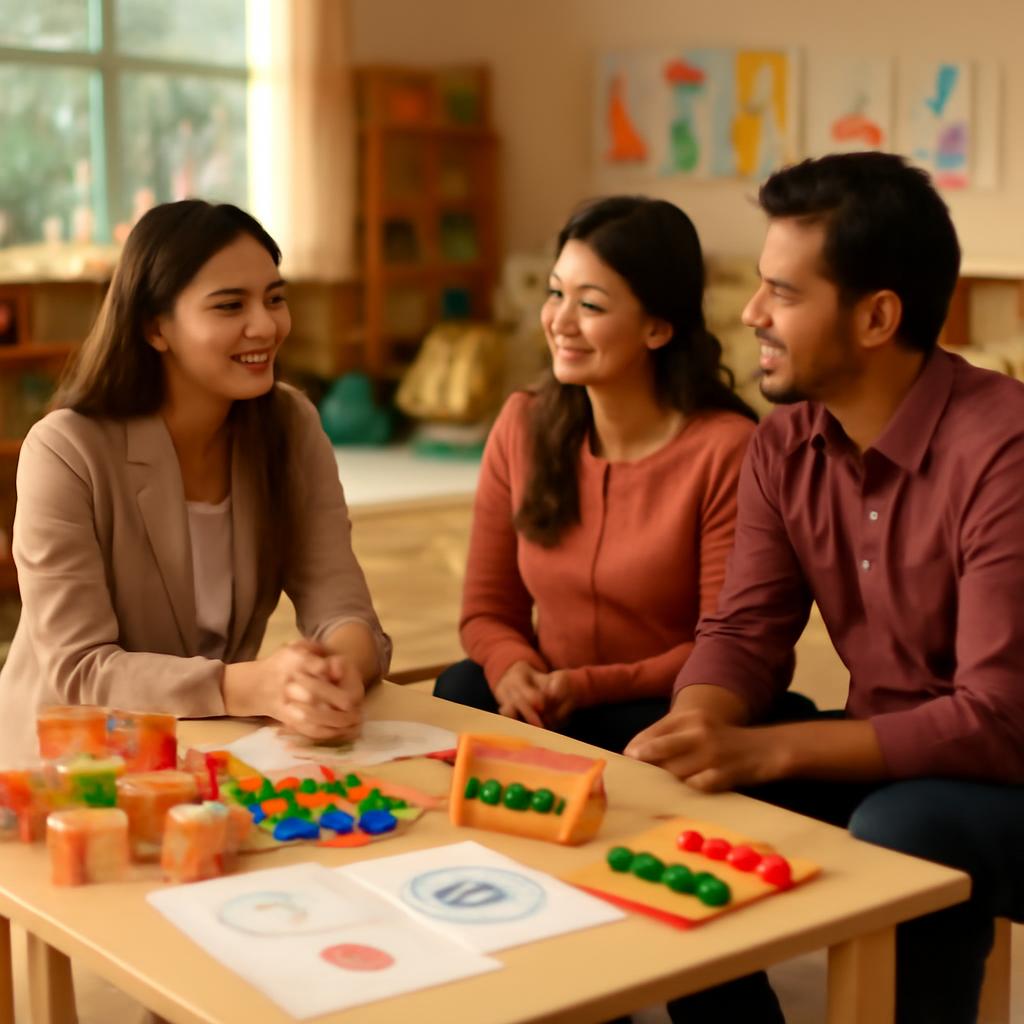
Early primary years set the foundation for learning and confidence. A Parent–Teacher Meeting (PTM) is the best chance to learn what your child is doing at school, how they’re developing socially and emotionally, and what a teacher recommends at home. Asking specific, non‑confrontational questions helps you get concrete answers, shows support for the teacher’s work, and creates a shared plan for your child’s progress.
How to prepare before the PTM
Arrive with a short list: top three things you want to know (for example reading, social interaction, separation anxiety). Bring recent examples (a worksheet, a recording, notes about changes at home) and any observations you’ve made. Prioritise questions so the most important points are discussed first and agree on a realistic follow‑up plan before leaving.
Questions about academics and learning progress
Ask how your child is doing in early literacy and numeracy compared with age‑expected milestones: 'Can you describe what my child can read/write/do independently and what they’re working toward?' Request simple indicators of progress—specific skills, recent work samples, or one skill to focus on for the next month. Also ask what teaching methods are used (for example play‑based activities or guided practice) and how those support the next steps.
Questions about classroom behaviour and social skills
Invite the teacher to describe your child’s interactions: 'How does my child manage turn‑taking, sharing and group activities?' Ask about emotional regulation: 'How does my child handle frustration or disappointment in class?' If there are concerns, request examples of the behaviour, typical triggers, and the strategies the teacher uses. This keeps the conversation constructive and focused on solutions.
Questions on routines, attention and classroom habits
Young children thrive on routines. Ask about how your child follows daily routines (arrival, transitions, snack time, clean‑up) and their level of independence with basic tasks like managing a water bottle or zipping a bag. Check attention and participation: 'Can they stay engaged for circle time? Do they follow simple instructions?' Knowing classroom expectations helps you mirror consistent routines at home.
Communication, feedback and homework expectations
Clarify how the teacher will keep you informed: frequency of updates, preferred channels (notes, app messages, brief weekly snapshots) and what kinds of achievements or concerns the teacher shares proactively. For early years, ask about realistic at‑home practice: short activities (5–10 minutes) that reinforce class learning rather than formal homework, and how you should report progress back to the teacher.
Concrete ways parents can support learning at home
Request 2–3 targeted, doable activities tailored to your child: for example daily 10‑minute shared reading, counting or sorting games, or a simple vocabulary activity tied to current theme work. Ask how to praise effort (not just results) and how to keep practice playful. Short, consistent routines that reflect classroom methods build confidence and transfer learning from school to home.
Closing the meeting: follow‑up and partnership
End with specific next steps: a measurable goal (for example 'learn 10 new sight words in four weeks'), who will check progress and when, and how to contact the teacher with quick questions. Express appreciation for the teacher’s observations—many parents find that positive, collaborative language opens better communication. If you have any unresolved concerns, request a brief follow‑up meeting so both sides stay aligned and the child benefits from consistent support.
Article by
𝐒𝐢𝐥𝐯𝐞𝐫𝐥𝐢𝐧𝐞 𝐏𝐫𝐞𝐬𝐭𝐢𝐠𝐞 𝐒𝐜𝐡𝐨𝐨𝐥 - 𝐆𝐡𝐚𝐳𝐢𝐚𝐛𝐚𝐝
Silver Line Prestige School was founded in 1987 with a vision to build a haven for futuristic and scholastic education. With the motto of 'Education Beyond Tomorrow', our approach is to achieve the perfect balance between academic and extra-curricular activities to nurture the student in every domain of life. At SilverLine, we practise the most progressive methods for educating our global citizens. With world-class infrastructure, advanced technology labs, highly-educated and experienced educators, Silver Line Prestige School has been advancing education in Ghaziabad for the past three decades.