Air Freight vs Sea Freight: What Works Best for Delhi Exporters?
A practical comparison of air and sea freight for exporters shipping from Delhi, covering cost, speed, reliability, product suitability, and steps to choose the right mode for your shipment.
Why the choice matters for Delhi exporters
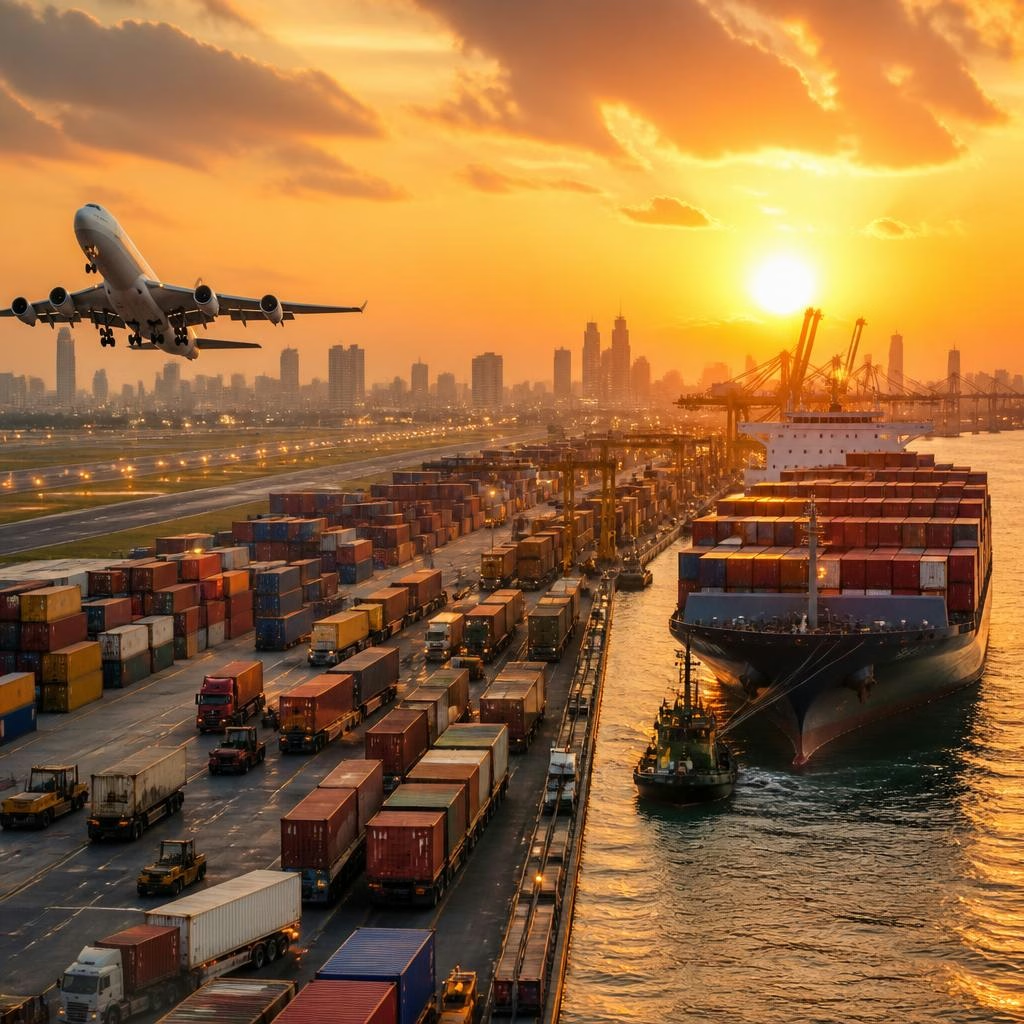
Choosing between air and sea freight affects landed cost, delivery speed, inventory planning and customer satisfaction. For exporters based in Delhi — where shipments typically move by road to nearby airports or onward to seaports — the decision should balance product characteristics, order urgency and total supply‑chain cost rather than freight rate alone.
Cost considerations: not just headline rates
Air freight generally carries a higher per‑kilogram price but can reduce inventory carrying costs by shortening lead times. Sea freight is more economical for large volumes and heavy consignments because charges are usually cubic or container‑based. When comparing options, include origin handling, road transport from Delhi, container or pallet costs, consolidation fees, fuel surcharges, port/airport handling and local customs charges to calculate true landed cost.
Speed and lead times: planning with real transit windows
Air shipments typically move in days from pickup to destination, while sea shipments often require weeks because of sailing schedules and port processing. For exporters with tight delivery windows or perishable goods, air reduces the risk of stockouts. For non‑urgent, bulk shipments, sea offers predictable economies of scale — provided you plan for longer transit and possible port congestion.
Reliability and operational risks
Both modes face different reliability issues: air is sensitive to flight capacity and sudden schedule changes; sea can be affected by port congestion, berth availability and longer customs inspections. Good communication and proactive tracking make a major difference in managing these risks. As noted by customers, timely communication and dependable deliveries are key service differentiators when reliability matters.
Match the mode to the product and customer need
Use air freight for time‑sensitive, high‑value or small, lightweight consignments where speed justifies the cost. Choose sea freight for heavy, bulky or low‑value goods where freight cost per unit is the main driver. If a product is seasonal or demand is uncertain, consider a mixed approach: air for urgent replenishment and sea for regular stock to optimize cost and responsiveness.
Practical checklist before you book
1) Confirm customer delivery windows and acceptable variability. 2) Calculate total landed cost for both modes (including inland transport from Delhi). 3) Check packaging and containerization requirements. 4) Factor insurance, customs clearance time and documentation. 5) Ask about consolidation options if volumes are small. 6) Obtain transit time ranges and contingency plans for delays. Gathering these details will make comparative quotes meaningful.
How a Delhi freight forwarder can help
A local freight forwarder can convert the checklist above into an actionable plan, advise on consolidation or multimodal routing, and coordinate pickups from Delhi to airport or seaport. Reviewers of Skyways Group highlight strengths that exporters value — reliable, timely deliveries and clear communication — which are important when managing cross‑border shipments. For exporters seeking tailored quotes and routing options from their Mahipalpur/NH‑8 location near the airport, discuss your product dimensions, value and delivery priorities so the forwarder can recommend the most cost‑effective and reliable mode.
Customer review


Article by