Canada TRV After Multiple Refusals: A Chandigarh Applicant’s Step‑by‑Step Recovery Guide
A practical, step‑by‑step guide for Chandigarh applicants on how to read refusal letters, correct documentation gaps, strengthen travel purpose and ties to India, and decide when to engage a regulated consultant rather than reapply blindly.

Why a careful recovery matters
A Canada visitor visa (TRV) refusal is more than a single administrative setback — especially after one or more refusals. Reapplying without addressing the visa officer’s reasons often leads to repeated refusals. This guide explains practical steps a Chandigarh applicant can take to turn a rejected TRV into an approval-ready file: how to interpret refusal letters, common gaps to fix, ways to strengthen your stated purpose and ties to India, and when it makes sense to consult a regulated immigration professional.
Step 1 — Read the refusal letter precisely
Start by carefully reading the refusal letter from IRCC. The officer will typically cite one or more grounds (for example: not satisfied with the purpose of visit, insufficient evidence of funds, inadequate ties to the home country, or inconsistent information). Note every point raised — even if it seems generic — because your reapplication must directly address each issue. Save the original refusal letter and reference its exact wording in a new cover letter that explains how your new application resolves the concerns.
Step 2 — Common reasons Chandigarh applicants are refused
While each case is unique, recurring reasons include: weak documentation of the trip purpose (unclear itinerary or no invitation), limited proof of funds or unexplained large deposits, lack of convincing employment or study leave evidence, weak ties to India (family, ongoing employment, property), and discrepancies between documents and statements. Previous visa refusals themselves can make an officer scrutinize your file more closely — so addressing those earlier weaknesses is critical.
Step 3 — Practical documentation fixes
Collect clear, verifiable evidence tied to the refusal points. Typical improvements are: a detailed travel itinerary and bookings; an invitation letter from the host with their contact details and immigration status; recent bank statements with explanations for unusual transactions; an employment letter confirming role, salary, and approved leave dates; property documents or proof of dependants; and certificates or enrolment letters for students. Provide certified translations for any non‑English documents and include photocopies of supporting ID pages. Organize documents in a logical order and include a concise index for the visa officer.
Step 4 — Strengthen purpose of visit and ties to India
Make your purpose of visit explicit and believable. A short cover letter should summarize your trip objective, itinerary, who will fund the trip, and how long you will stay. For ties to India, include evidence such as payroll records, employer leave approval, lease or property documents, family responsibilities, ongoing education, or business commitments. If the visit is for tourism, medical, or family reasons, corroborate with bookings, appointment confirmations, or family records. Address inconsistencies openly — unexplained gaps are often more damaging than minor contradictions corrected with documentation.
When to reapply on your own and when to hire a regulated consultant
If the refusal points are straightforward (missing receipts, a single missing document), a careful self-prepared reapplication may succeed. However, after 2–3 refusals or where reasons are complex or involve credibility concerns, working with a regulated consultant or an experienced firm with refusal‑recovery expertise can be wise. A regulated consultant can prepare a focused cover letter addressing each refusal ground, advise on documentary strategies, and ensure submissions follow IRCC expectations. In one case from Chandigarh, a client who had three previous refusals successfully obtained a TRV after working with a professional team that rebuilt their file and addressed every refusal point (see cited review).
Cover letter and transparency: your central tool
Your cover letter should be short, factual, and organized: list the refusal reasons, explain the new evidence, and point the officer to the relevant documents by page or tab. Avoid emotional language or speculative explanations; instead, provide verifiable facts and attach corroborating documents. If previous agents or applications made errors, state what changed now and why the new evidence should alter the officer’s assessment. Full transparency builds credibility — hiding facts or submitting inconsistent documents risks another refusal.
Final checklist and next steps from Chandigarh
Before you submit: (1) re‑read the refusal letter and ensure each point is answered; (2) compile original supporting documents and certified translations; (3) prepare a clear cover letter referencing the refusal grounds and where to find evidence; (4) ensure financial evidence and employment/leave proof are up to date; (5) include a concise index and label documents logically. If you decide to consult a professional, choose a regulated Canadian immigration consultant or a firm experienced in TRV refusal recovery and ask for a refusal‑specific plan. For applicants in Chandigarh, firms with local presence can help organize in‑person document certification and follow up, but always confirm credentials and a refusal‑focused strategy before engaging. Following these steps will give your reapplication the best chance of success.
Customer review


Article by
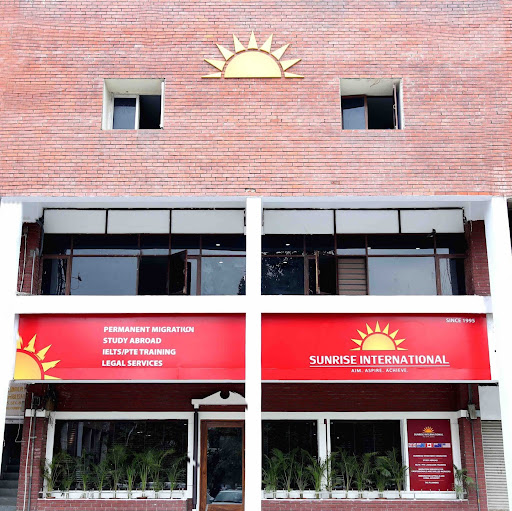
Sunrise International
Sunrise International is one of India's most trusted and award winning immigration consultancies, with over 30 years of experience guiding students, professionals, and families toward their global goals. The firm combines RCIC-regulated Canadian immigration expertise, New Zealand licensed advisory, and in-house legal counsel for Multiple Countries (USA, Germany, EU, UK etc) under one roof. Sunrise International advises on Study permits, Permanent Residency, spousal sponsorship, provincial nominee programs, visitor visas, Appeals, refusal recovery, etc.